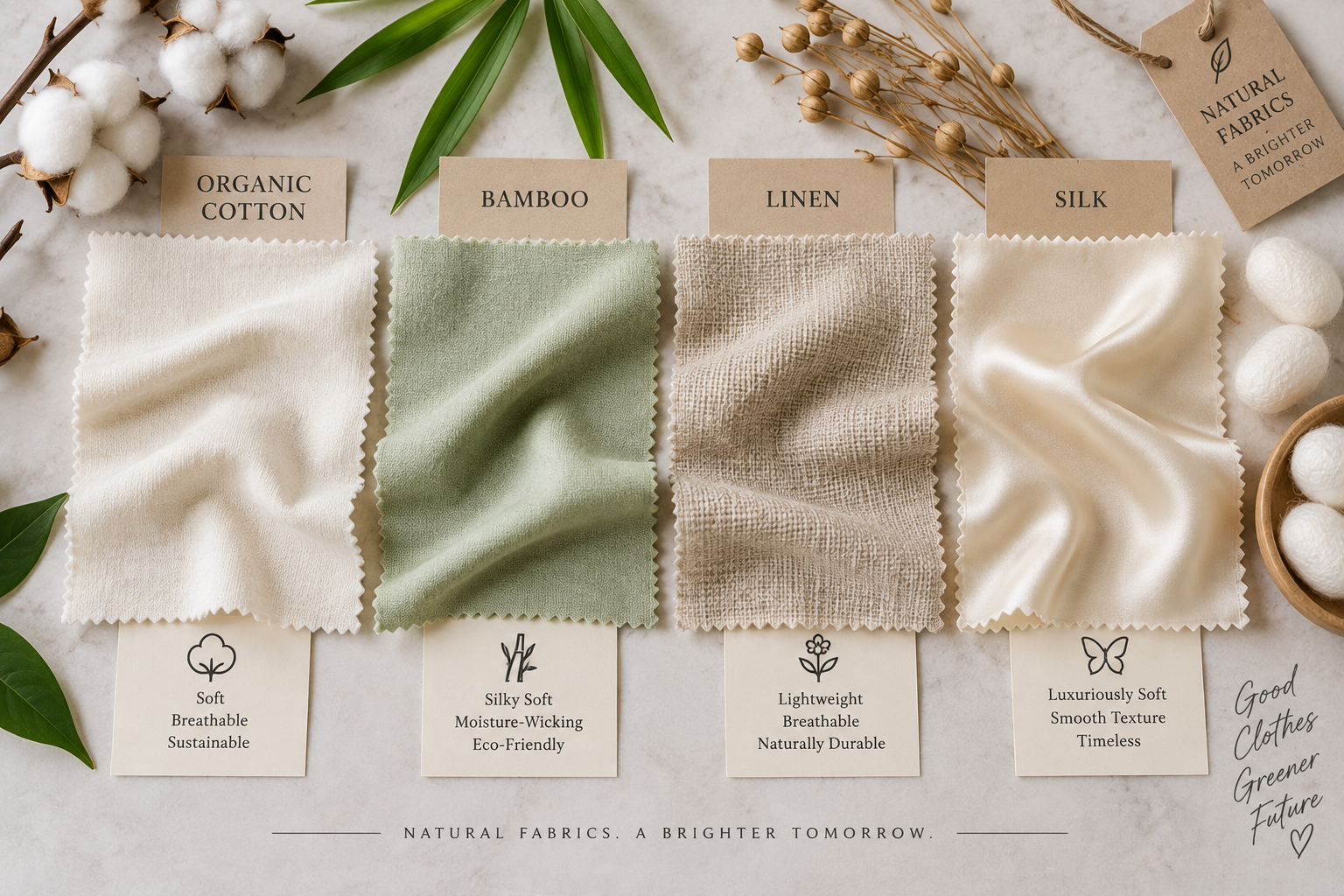
Quick answer: The best fabrics for sensitive skin are generally soft, breathable, and less likely to create friction or hold heat and moisture against the body. Organic cotton, bamboo viscose, fine merino wool, Tencel, peace silk, modal, washed linen, fine-grade microfiber, cotton flannel, and organic hemp are all useful options to consider.
Anyone with sensitive skin knows that the wrong fabric can become uncomfortable surprisingly quickly. A sweater may look perfectly fine on the hanger, only to feel itchy the moment you put it on. A top that seemed comfortable in the shop might start irritating your skin after several hours.
Different fabrics behave very differently against the body. Some are smooth and easy to wear for long periods, while others create more friction or trap heat and moisture.
Several factors influence this. The fineness of the fibers matters, as does the way the fabric is constructed. Breathability can make a big difference, particularly in warm weather, while the chemicals used during processing may also affect how comfortable the finished fabric feels.
As a general rule, natural and lightly processed fibers are often good places to start. But there are exceptions. Some synthetic fabrics can be remarkably soft and comfortable too, depending on their construction and fiber quality.
Here are ten fabrics worth considering if comfort is a priority.
1. Organic Cotton
Organic cotton is probably the easiest place to start because it’s familiar, widely available, and naturally soft.
It’s used for everything from T-shirts and underwear to pajamas and bed sheets. What sets organic cotton apart from conventional cotton is the way it is grown and processed. It is cultivated without synthetic pesticides, and the manufacturing process can involve fewer harsh chemicals, which may mean fewer potential residues remaining in the finished fabric.
The cotton fiber itself has a soft, comfortable feel and usually works well against the skin for extended periods. It is also reasonably breathable, allowing air to move through the fabric rather than creating a trapped, stuffy feeling.
That can be particularly useful during warmer weather or for anyone who tends to feel hot easily.
For everyday clothing, organic cotton is hard to beat for simplicity. It’s comfortable, easy to care for, and works across a wide range of seasons.
If verifying the organic claim matters to you, look for a recognised certification such as GOTS, the Global Organic Textile Standard.
Cotton does have one limitation. It absorbs moisture well but doesn’t move that moisture away from the skin as efficiently as some of the other fabrics on this list. During exercise or in humid conditions, it can therefore feel heavier.
For normal everyday wear, though, it remains one of the most practical choices.
2. Bamboo Viscose
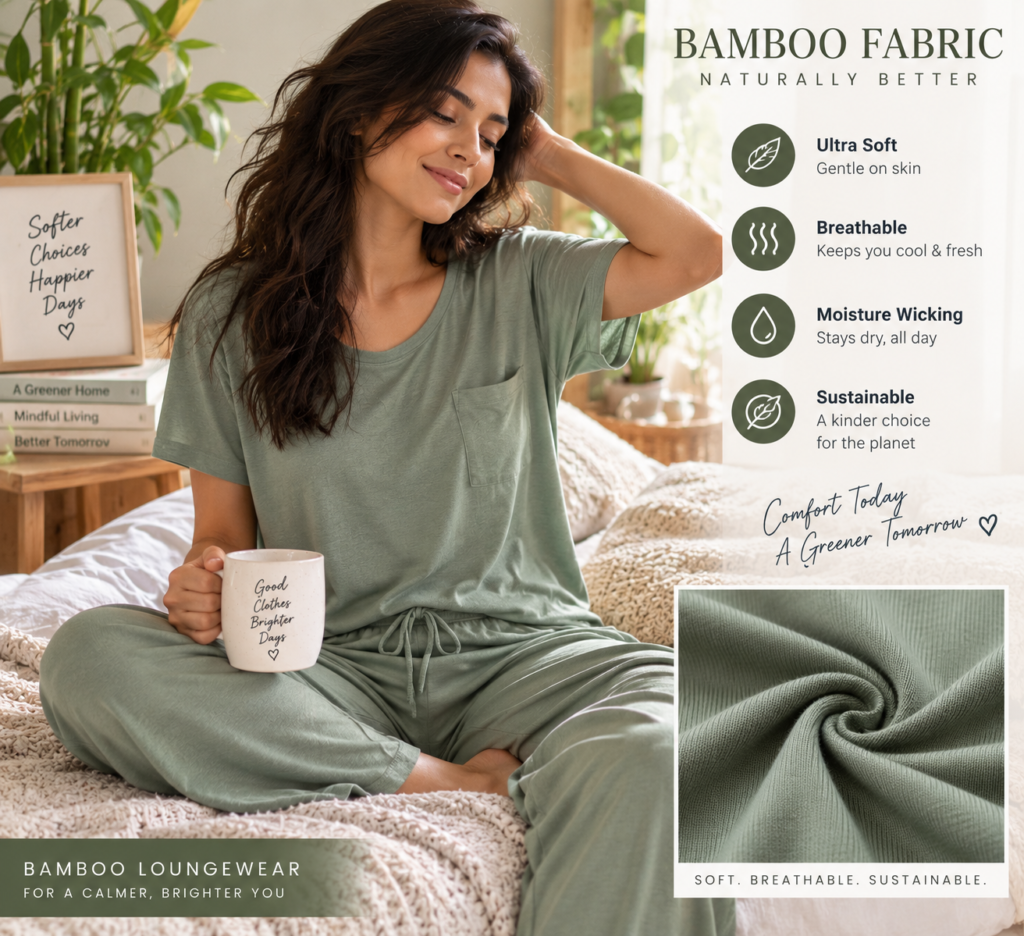
Bamboo viscose has become popular in clothing designed around softness and comfort, and the appeal is easy to understand.
The fabric has a very smooth feel, sometimes compared with silk, and it can manage moisture reasonably well. Rather than allowing sweat to remain against the body, it helps move moisture toward the surface where it can evaporate.
That can make a noticeable difference in warm weather.
The smooth surface also reduces friction. For people who find rough or textured fabrics uncomfortable, this can make bamboo viscose feel particularly gentle.
You’ll often find it in pajamas, loungewear, underwear, everyday basics, and activewear.
There is an important distinction to keep in mind, however. Bamboo viscose isn’t simply bamboo turned directly into fabric. Bamboo pulp has to go through a chemical process before it becomes the soft textile used in clothing.
The environmental impact of that process can differ between manufacturers, so anyone interested in the sustainability side should look into the production methods used by a particular brand.
From a comfort perspective, though, bamboo viscose remains one of the softer fabric choices available and can be a good option for everyday wear.
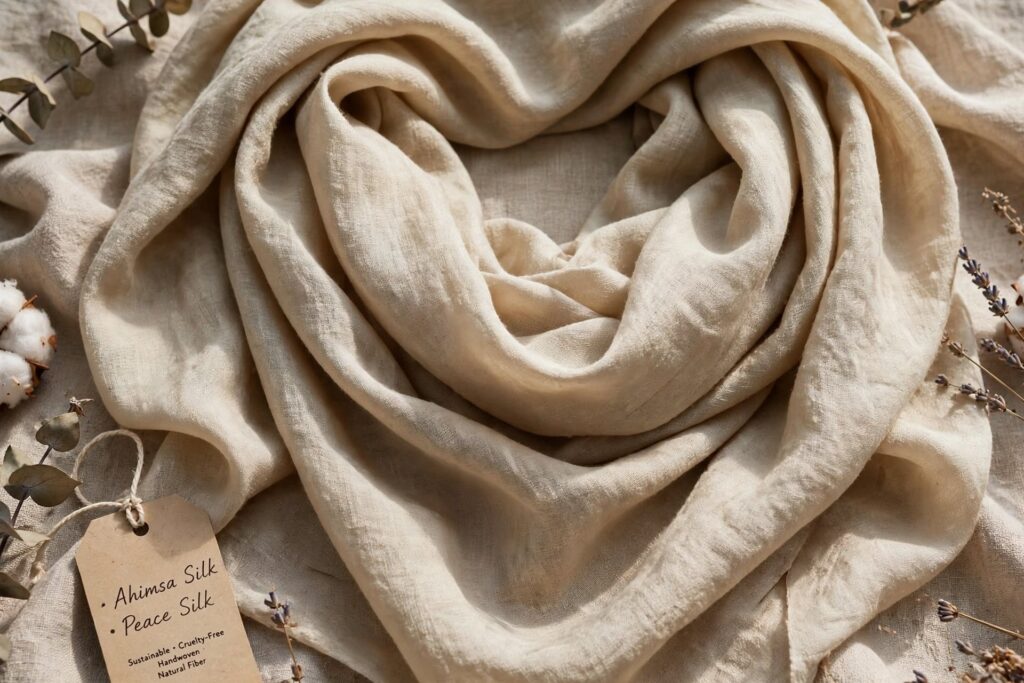
3. Peace Silk (Eri Silk)
Regular silk is already well known for its smooth feel, but peace silk takes a different approach to producing it.
Also known as Eri silk, peace silk is harvested in a way that allows the silkworm to emerge naturally from the cocoon before the material is processed.
The resulting fiber has a slightly different appearance from conventional silk. Instead of the very glossy finish associated with traditional silk, peace silk tends to have a softer and more matte look.
For sensitive skin, the important part is the texture.
Silk fibers are smooth, which helps reduce friction as the fabric moves against the body. Silk is also breathable, so it can help prevent the combination of heat and moisture that often makes certain garments uncomfortable.
Peace silk is more commonly found from higher-end or ethically focused brands. It can be used for scarves, lightweight tops, loungewear, and occasion clothing.
Availability is more limited than cotton or bamboo viscose, and the price is generally higher.
Care is another consideration. Like other silk garments, peace silk usually needs gentler laundering, often by hand washing or dry cleaning.
For someone looking for a soft fabric with a more natural and ethically focused production approach, it is an interesting option.
4. Fine Merino Wool
Wool has a reputation for being itchy, but fine merino wool can feel very different from the coarse wool used in some traditional sweaters.
Merino fibers are much finer, and that changes the way the material behaves against the skin. Fine fibers tend to bend rather than poke, which is why many people who dislike regular wool find merino much easier to wear.
Merino also offers more than softness.
It naturally helps regulate temperature, keeping you warm in cooler weather without becoming uncomfortable as temperatures rise. It can also move moisture away from the skin and allow it to evaporate.
That combination makes fine merino especially useful for travel, layering, base layers, activewear, and everyday clothing.
It’s a fabric that can handle changing conditions without requiring you to constantly adjust what you’re wearing.
The main drawback is care. Fine merino usually benefits from cold or delicate washing and should generally be dried flat rather than hung while wet.
It also tends to cost more than basic cotton clothing.
For people who want a natural fabric that is soft, temperature-regulating, and useful across different seasons, fine merino is one of the stronger choices.

5. Modal
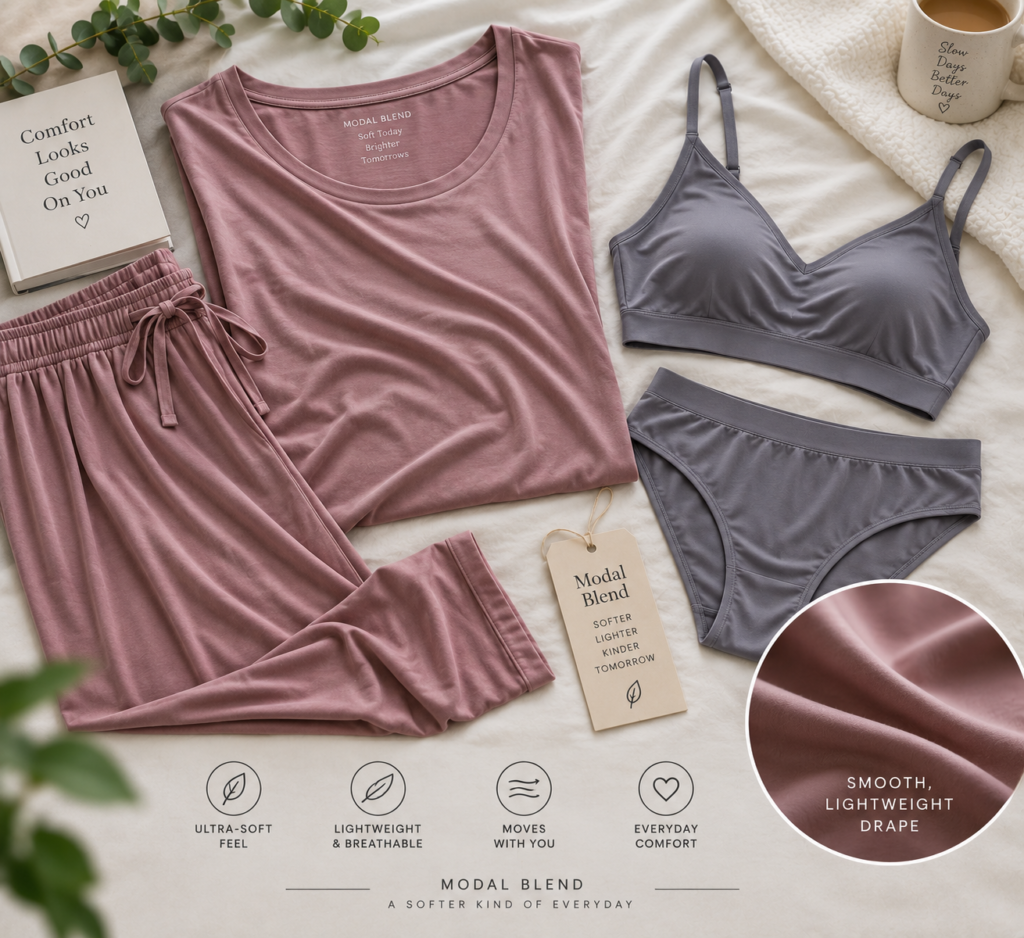
Modal is a semi-synthetic fabric made from beech tree pulp and is particularly popular for clothing where softness matters.
Its surface is very smooth, with a slight sheen that can make it look a little more refined than ordinary cotton while still feeling relaxed and comfortable.
One of the reasons modal is so common in underwear, sleepwear, and everyday basics is that it tends to stay soft even after repeated washing.
Some fabrics become rougher or lose their original texture over time. Modal generally does a better job of maintaining its smooth feel through regular use.
It’s also lightweight and drapes well, so clothing made from it tends to move easily instead of feeling restrictive.
Modal is often blended with cotton or other fibers. Cotton-modal blends can combine the breathability people like about cotton with the extra softness and drape of modal.
From an environmental perspective, the production process can be more responsible than some other semi-synthetic fibers, although practices vary from one manufacturer to another.
For shoppers who care about potential chemical residues, OEKO-TEX certification can provide some additional information about whether the finished textile has been tested for harmful substances.
6. Tencel / Lyocell
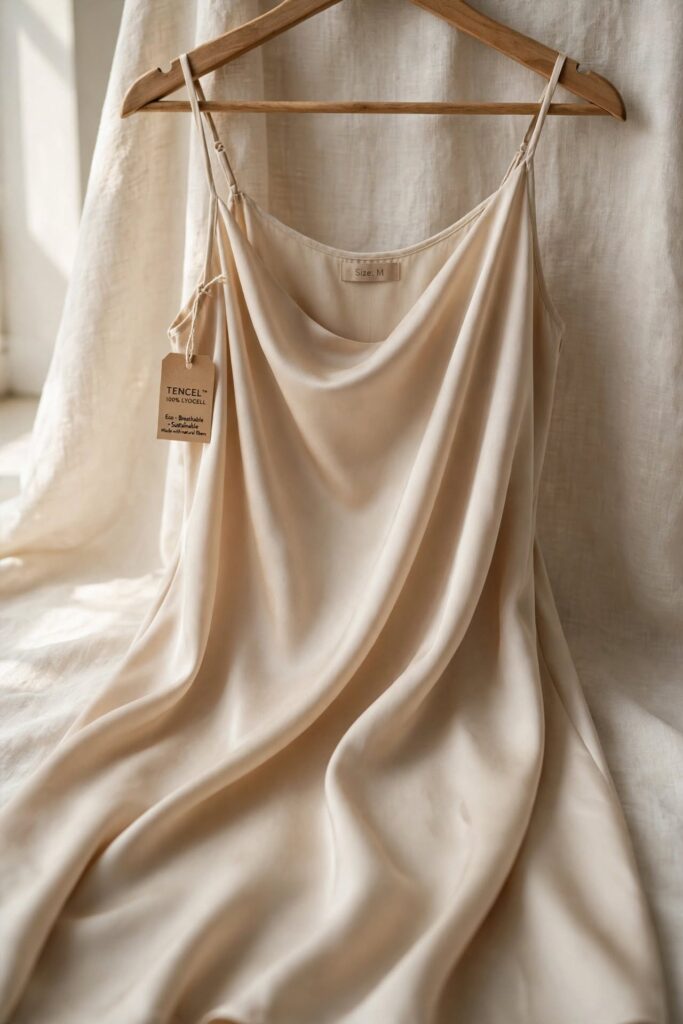
Tencel is a brand name for lyocell, and it has become popular in both comfort-focused and sustainability-conscious clothing.
One of the main reasons is the production process. Tencel is made using a closed-loop system in which the solvents used to process the wood pulp are captured and reused instead of simply being released.
That reduces chemical waste and can also reduce the likelihood of unwanted residues remaining in the finished fiber.
In terms of feel, Tencel is smooth and usually comfortable against the skin. It also manages moisture well and tends to feel cool and breathable during wear.
You’ll find it in shirts, dresses, denim blends, activewear, and even bedding.
The material is also relatively easy to find compared with some of the more specialised options on this list, and it comes at a range of price points.
Tencel generally does best with gentle care. Cold washing and air drying are common recommendations, although the exact instructions depend on the garment and whether the fabric has been blended with something else.
For people looking for a soft fabric that combines comfort with a relatively well-controlled manufacturing process, Tencel is a practical choice.
7. Washed Linen
Linen has been used in clothing for thousands of years, and it remains popular partly because it is both breathable and durable.
Made from flax fibers, linen typically has a looser weave that allows air to move through the fabric easily. That airflow is one reason it works so well in warm weather.
Washed linen has one particular advantage over untreated linen.
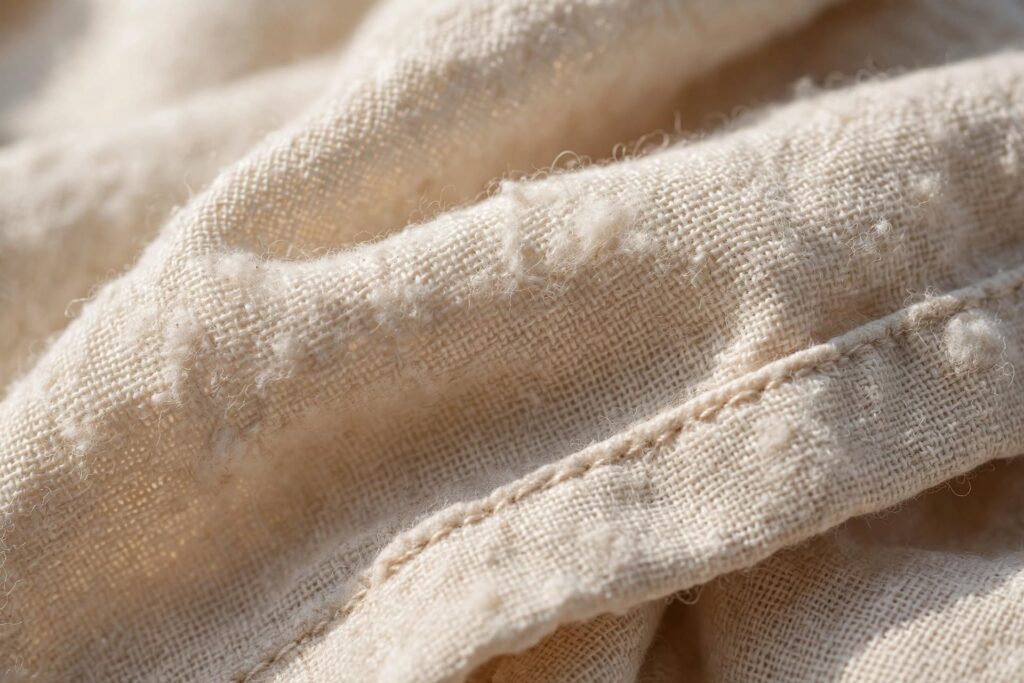
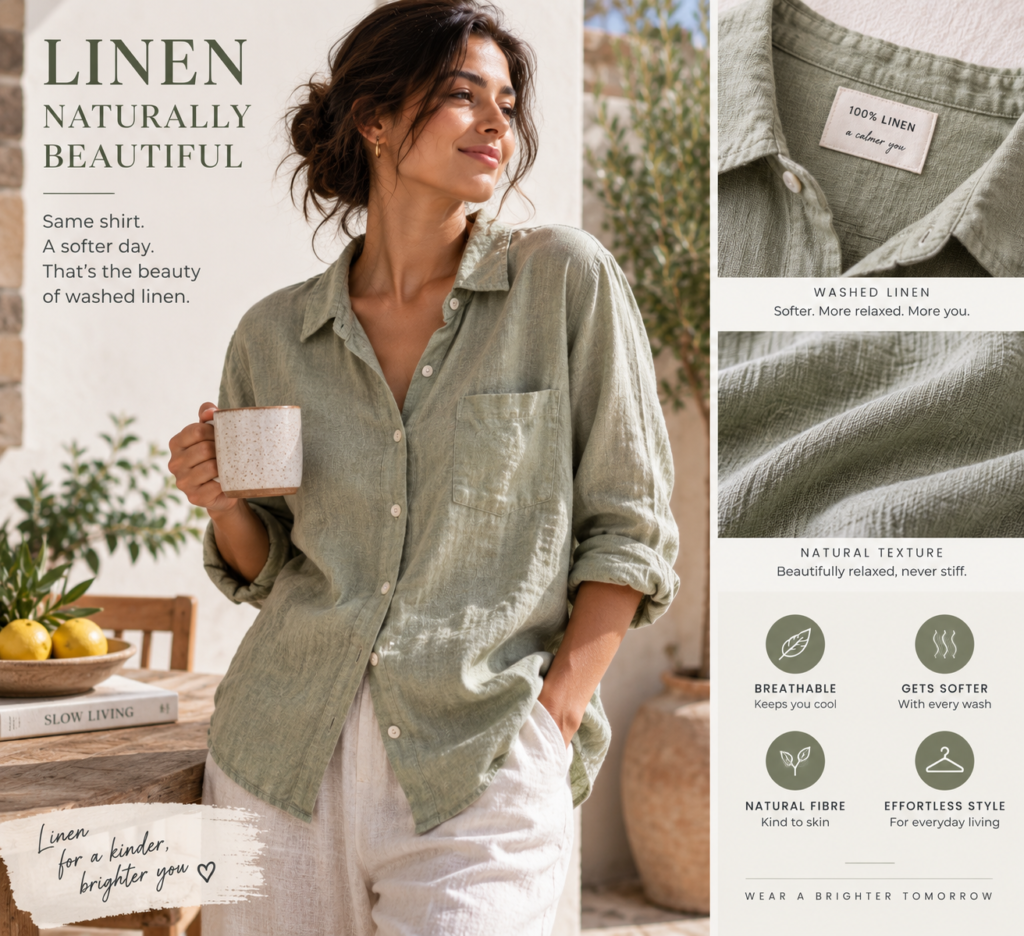
Freshly made linen can feel fairly stiff or textured. Washed linen has already gone through a pre-washing process that softens the fibers, so it usually feels much more relaxed from the first wear.
It continues becoming softer with repeated washing too.
That makes washed linen especially appealing when you’re looking for a natural fabric that becomes more comfortable over time rather than less.
The main drawback is the texture and wrinkling. Linen creases easily, and even washed linen won’t stay perfectly smooth. Some people love that relaxed appearance, while others prefer a fabric with a more polished surface.
Linen also feels different from very smooth materials such as cotton jersey or modal. Whether you find that texture pleasant is partly a matter of personal preference.
8. Fine-Grade Microfiber
Microfiber is different from most of the fabrics on this list because it is synthetic, usually made from very fine polyester or nylon fibers.
That doesn’t automatically make it uncomfortable.
High-quality microfiber can be extremely smooth because the individual fibers are so fine. The difference between good microfiber and inexpensive microfiber can be substantial, so the quality of the material matters here.
Fine-grade microfiber is often used in underwear, sleepwear, activewear, and specialised garments where reducing friction is important.
Some medical and post-surgical clothing also uses finely constructed microfiber because the fabric can be made smooth with fewer irritating seams and rough areas.
Breathability is the main consideration.
Synthetic materials often don’t allow as much airflow as natural fibers. High-quality microfiber can perform better than many standard synthetic fabrics, but it still may not be the best option for long periods of wear in hot conditions.
When shopping for microfiber, terms such as “ultra-fine” can help you identify products designed around softness. Specifications relating to fiber fineness can also distinguish higher-grade materials from basic microfiber fabrics.
9. Cotton Flannel
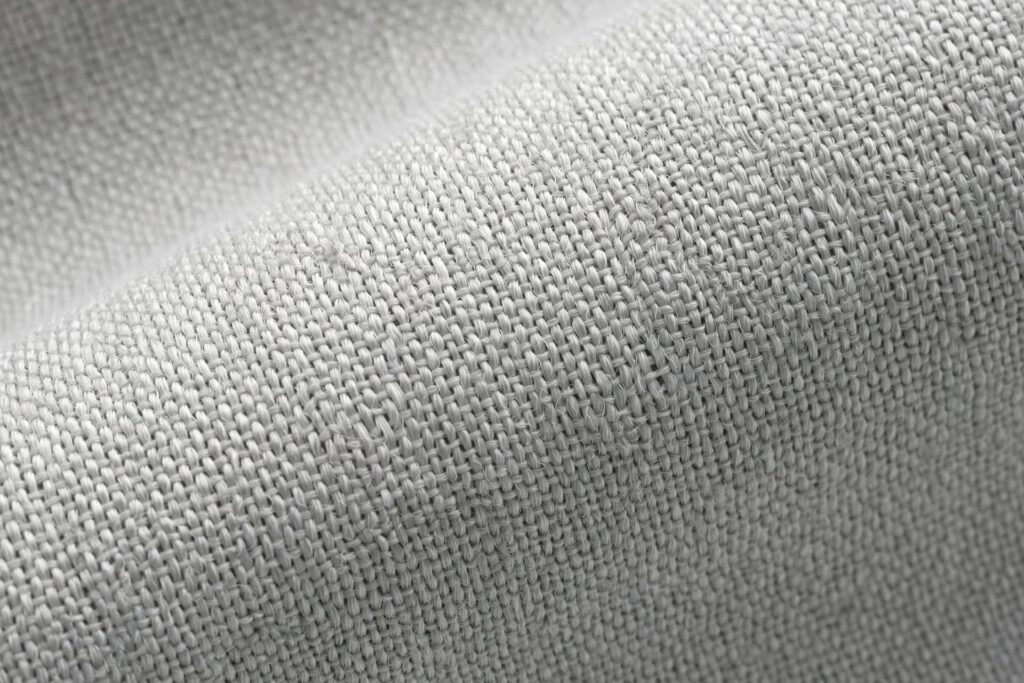
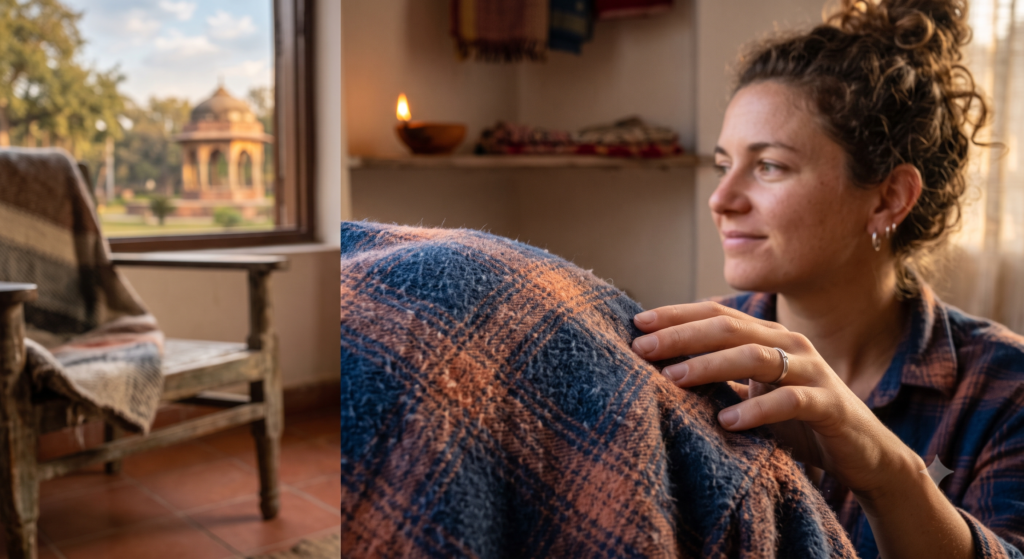
Cotton flannel is essentially cotton with an extra layer of softness added through brushing.
The fabric is brushed on one or both sides after weaving, creating a slightly raised surface that feels warmer and softer against the skin.
Because the base material is cotton, flannel retains many of the qualities that make cotton a popular choice for people with sensitive skin. It is breathable, relatively easy to care for, and generally comfortable.
The brushed surface makes it particularly useful in pajamas, loungewear, and other clothing intended for cooler conditions.
Cotton flannel is also widely available and generally affordable, so you don’t have to look for specialised retailers to find it.
The main limitation is weight.
Flannel is warmer than ordinary cotton because of the brushed surface, so it isn’t always the best option for year-round use in warmer climates.
For autumn and winter, however, it can be one of the easiest ways to add softness and warmth without moving to a more expensive specialty fiber.
10. Organic Hemp
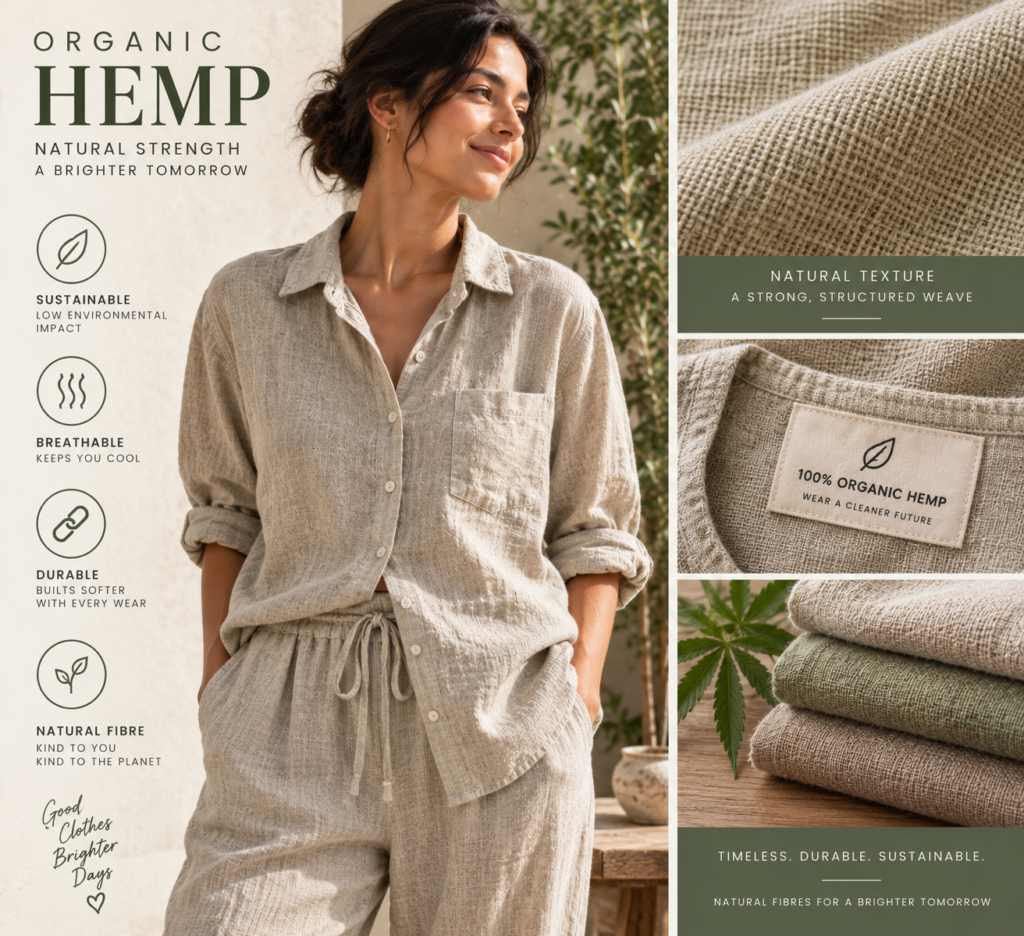
Hemp has been used as a textile fiber for a very long time, but interest in it has grown again as more shoppers look for natural and lower-impact materials.
Organic hemp is grown without synthetic pesticides and can be processed with fewer chemicals than many conventional fabrics.
The fabric does have a more textured feel than something like cotton or bamboo viscose. At first, it can feel slightly firm or structured.
That changes with washing.
Hemp softens noticeably over time, developing a more broken-in texture with repeated wear. Some people actually prefer it once it has had the chance to develop that softness.
Hemp is also naturally breathable and strong. The fabric can withstand regular use and tends to last well, which is useful when you’re investing in higher-quality natural clothing.
You’ll find organic hemp in casual tops, trousers, outerwear, and accessories.
It isn’t as widely available as cotton or modal, but the selection has expanded as interest in the fiber has grown.
For anyone who prefers natural materials and doesn’t mind a little initial texture, organic hemp is worth considering.
What Actually Makes a Fabric Gentle for Sensitive Skin?
Looking across these fabrics, several characteristics keep coming up.
Smooth fibers tend to reduce friction. Breathable materials allow heat and moisture to escape instead of trapping them close to the skin. Fabrics with less aggressive processing may also leave fewer potential residues behind.
Natural fibers are often a good starting point, but they aren’t automatically the answer for everyone.
A natural fiber can still be rough or irritating. Conversely, a carefully made synthetic fabric can be very soft and comfortable.
Your climate matters too. A fabric that feels excellent in cool weather may be uncomfortable in heat if it doesn’t manage moisture well.
The garment itself matters as well. Seams, tags, elastic, dyes, and finishing treatments can all affect how comfortable something feels.
The fabrics covered here, including organic cotton, bamboo viscose, peace silk, fine merino wool, modal, Tencel, washed linen, fine-grade microfiber, cotton flannel, and organic hemp, are all worth considering when skin comfort is a priority.
A sensible place to start is with a few versatile basics in organic cotton or modal. Once you know how your skin responds, you can experiment with other materials.
Pay attention to the fabric label and look for relevant certifications where they matter to you.
It’s also a good idea to wash new clothes before wearing them for the first time. That can help remove manufacturing residues and finishing agents and can also soften certain fabrics.
For more information on looking after your clothes, see our guide to [Common Fabric Care Mistakes]. And for warm-weather clothing, our guide to [The Most Breathable Fabrics] can help you choose materials that stay more comfortable in the heat.
Frequently Asked Questions
What makes a fabric better for sensitive skin?
Fabrics that work well for sensitive skin are often smooth, breathable, and less likely to create friction.
Good airflow can help prevent heat and moisture from building up against the body, while a smoother fiber surface can reduce irritation caused by rubbing.
Minimal chemical processing may also be helpful for some people.
Natural and lightly processed materials are often a good starting point, although certain fine synthetic fabrics can also be very comfortable.
Are natural fabrics always gentler than synthetic ones?
No.
Many natural fibers, including organic cotton, fine merino wool, and linen, are commonly chosen for sensitive skin, but not every natural fabric is soft.
Some natural fibers can be coarse, while some may undergo processing that affects their feel.
On the other hand, finely made synthetic fabrics such as high-quality microfiber can have an exceptionally smooth surface.
Fiber fineness, fabric construction, and processing all matter.
What should I look for on a clothing label if I have sensitive skin?
Start with the fiber composition.
Natural fibers such as cotton, linen, and wool can be useful starting points, as can semi-synthetic materials such as modal, Tencel, and bamboo viscose.
Certifications can provide additional information. GOTS is commonly used for organic textiles, while OEKO-TEX Standard 100 indicates that the textile has been tested for certain harmful substances.
Be cautious about vague labels that don’t clearly explain the fabric composition, especially when large portions of the garment are described only as unspecified synthetic blends.
Can washing new clothes before wearing them help reduce irritation?
Yes.
New garments can carry residues from manufacturing, finishing treatments, or packaging. Washing the garment before its first wear can remove some of these substances.
A gentle wash in cool water is a sensible approach for most clothes, although the care label should always take priority.
Washing can also help soften fabrics such as linen and hemp that become more comfortable over time.
Is “hypoallergenic fabric” a real category?
The term is commonly used in marketing, but it does not have one standard regulatory definition in most countries.
It generally suggests that a material is less likely to cause irritation than other fabrics, often because it has a smooth texture, minimal processing, or a particular fiber composition.
Tencel, organic cotton, and bamboo viscose are sometimes described this way.
Still, there is no guarantee that a particular fabric will suit everyone. Skin reactions vary from person to person, so your own experience with a material matters more than the label alone.