Quick answer: Most clothing damage doesn’t happen in one dramatic moment. It builds up through everyday habits such as using very hot water, ignoring care labels, overdrying clothes, using too much detergent, and storing garments incorrectly. Changing just a few of these habits can help your clothes keep their shape, color, and softness for much longer.
Clothes rarely become worn out overnight.
More often, the damage happens slowly. A little shrinkage after one wash, some fading after another, elastic that isn’t quite as firm as it used to be. Months later, that favorite shirt no longer fits the same way, or a sweater looks tired even though it hasn’t been worn that much.
It’s easy to wonder when things went wrong.
In many cases, there isn’t one single mistake to blame. It’s usually a handful of small laundry habits repeated again and again.
The good news is that most of them are easy to change.
Here are ten common fabric care mistakes that can shorten the life of your clothes, along with simple ways to avoid them.
1. Ignoring the Care Label
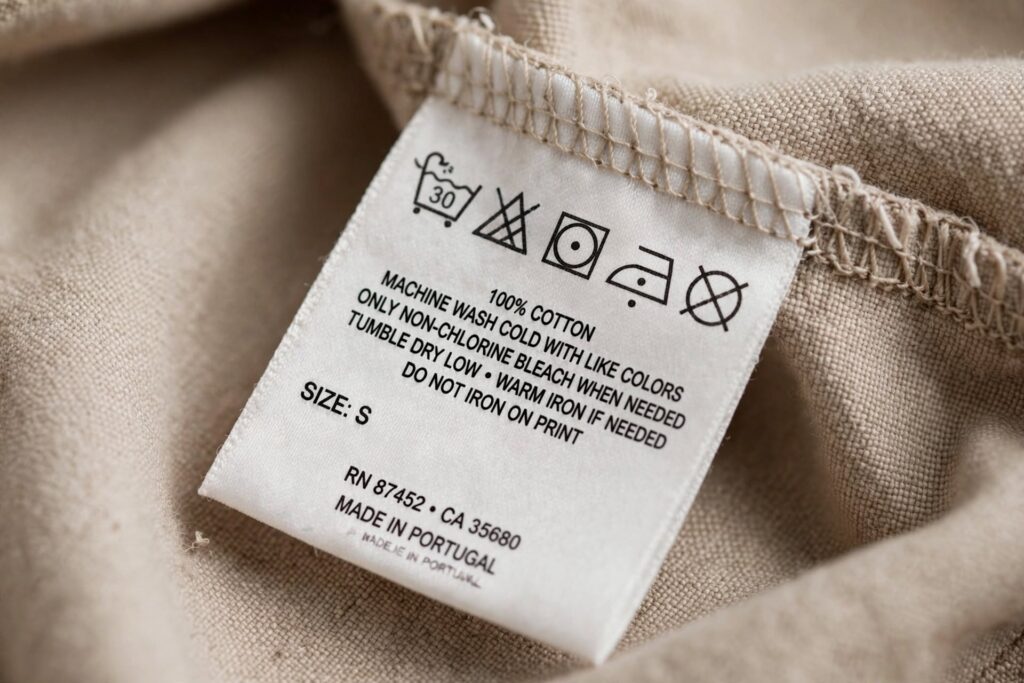
Care labels aren’t there just to make a garment look complete. They provide instructions based on the fabric, construction, and finishing methods used to make that particular item.
A delicate knit, for example, needs very different treatment from a cotton T-shirt. A structured blazer may also react badly to the same washing routine that works perfectly well for everyday clothes.
Ignoring the label can seem harmless, especially when you’ve washed similar-looking garments before. The problem is that the consequences can be difficult to undo.
A hand-wash-only item can lose its shape in a regular machine cycle. It may stretch, develop pilling, or put unnecessary stress on the seams. A garment that is meant to be dry-cleaned can shrink, lose its structure, or bleed color when washed with water.
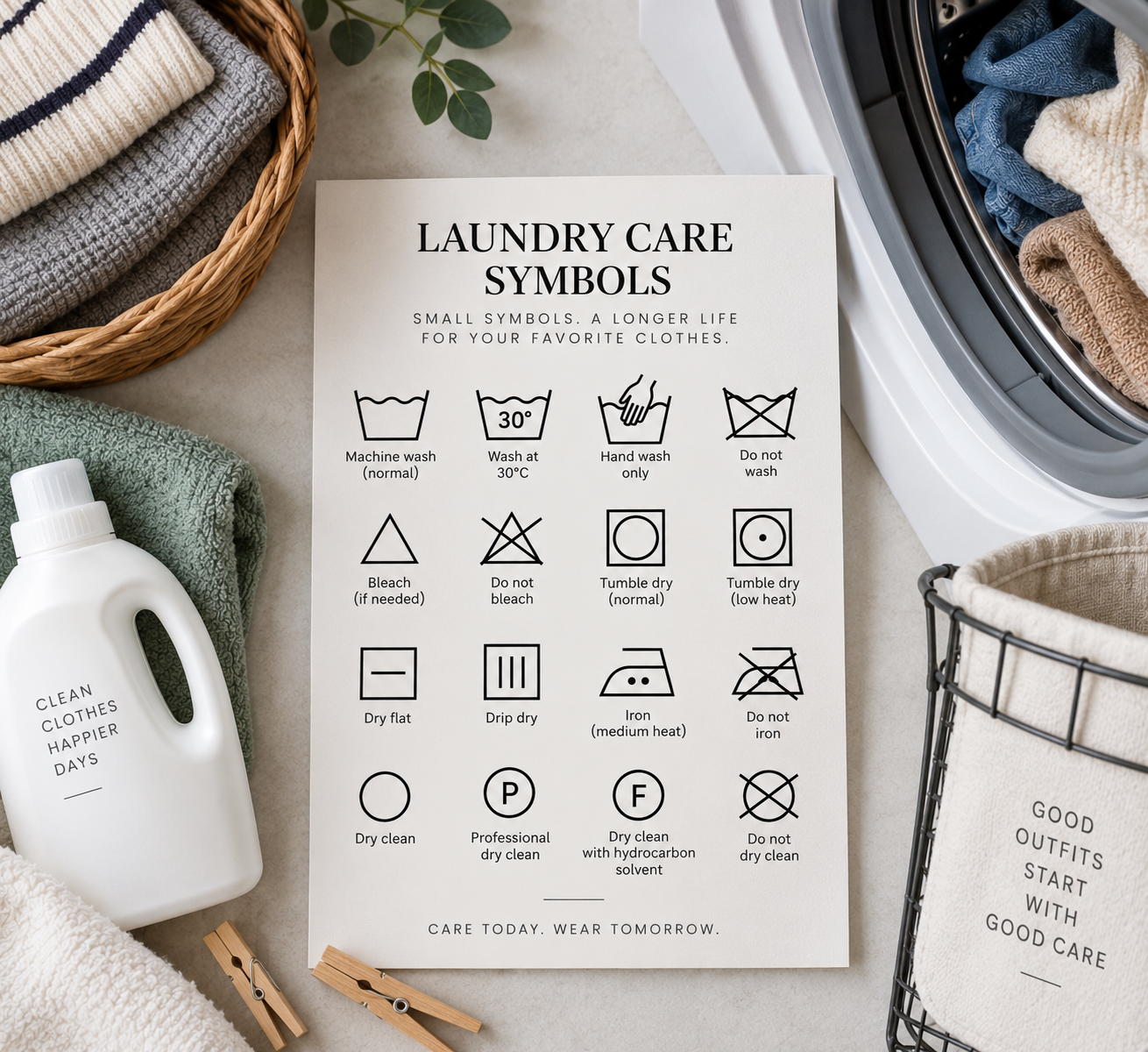
The symbols can look confusing at first, but they’re fairly easy to learn. A tub with a hand generally means hand wash. A crossed-out tub means the garment shouldn’t be washed with water. A circle usually indicates dry cleaning.
You can also quickly check a laundry symbol guide when you’re unsure.
Getting into the habit of reading the label before washing unfamiliar or new clothes takes only a few seconds. It’s one of the easiest clothing care habits you can develop.
2. Washing Clothes in Water That’s Too Hot
Hot water certainly has its uses, but it shouldn’t automatically be the setting for every load.
High temperatures can speed up fading, shrinkage, and fiber damage. Natural fibers such as cotton and wool can be especially sensitive to heat.
Cotton may shrink noticeably during hot washing, and repeated exposure can cause further changes. Wool can be even more troublesome. Too much heat and agitation can cause it to felt, leaving the fabric tighter, stiffer, and much smaller than it was before.
Synthetic fabrics such as polyester and nylon are generally more heat-resistant, but they aren’t completely immune. High temperatures can still affect their shape and contribute to pilling.
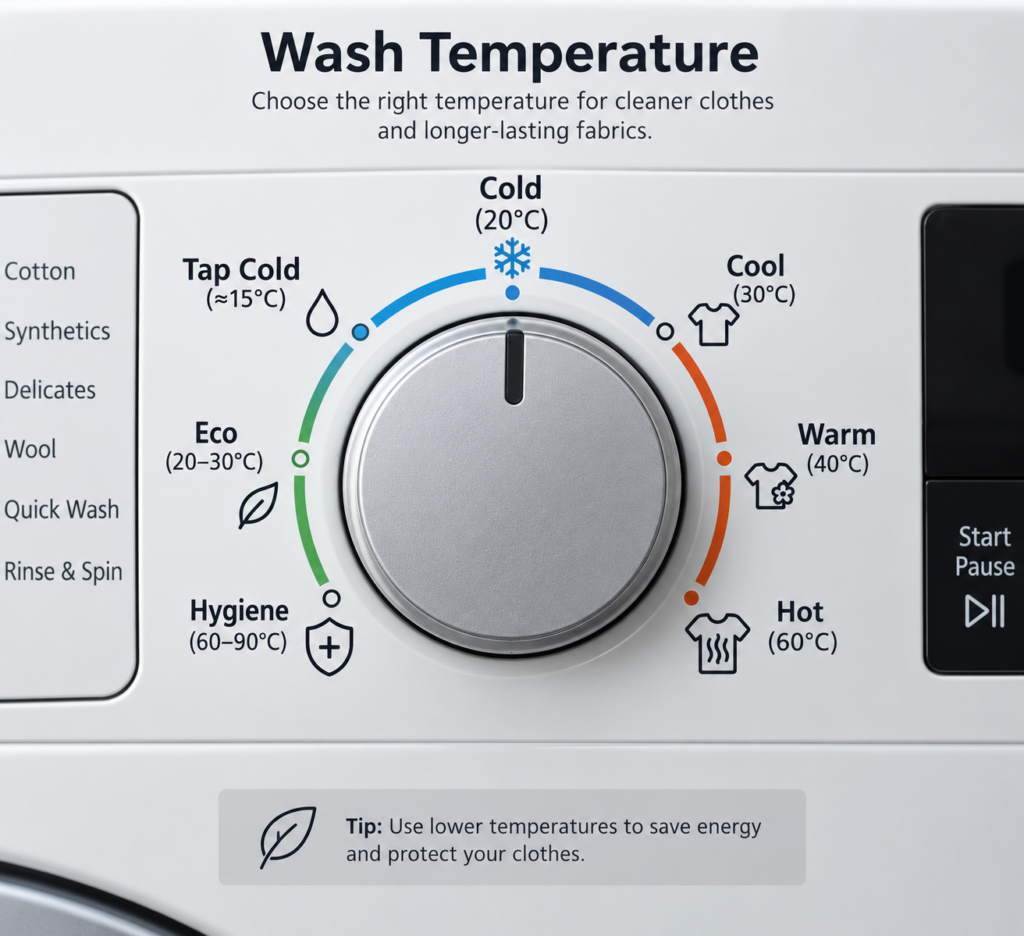
For most everyday clothing, cold or warm water is enough. Modern detergents are designed to clean effectively at lower temperatures, so using cooler water doesn’t necessarily mean your clothes will come out less clean.
Hotter washes still make sense for certain situations. Heavily soiled items, towels, and bedding may need higher temperatures when hygiene is a priority.
For regular clothing, though, cooler water is usually the gentler choice and can help garments last longer.
3. Using Too Much Detergent
It seems logical that adding extra detergent should make clothes cleaner.
It can actually create the opposite problem.
Modern washing machines, especially high-efficiency front-loading models, use less water than older machines. That means excess detergent may not rinse away completely.
Instead, some of it remains in the fabric.
Over time, that residue can make clothes feel stiff, slightly sticky, or less fresh. Detergent buildup can also attract more dirt between washes, dull fabric colors, and cause irritation for people with sensitive skin.
The residue doesn’t necessarily stop at your clothes either. Too much detergent can accumulate inside the machine, including in the dispenser and around seals.
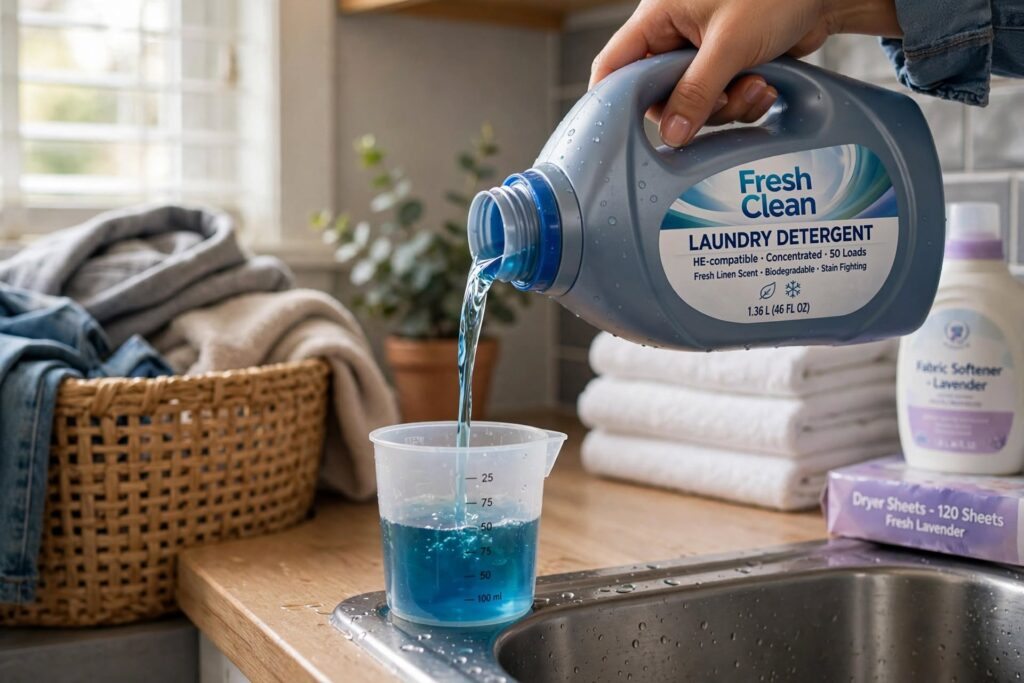
A common problem is simply using more than the load requires. Detergent measurements vary depending on the size of the load, the hardness of the water, and how dirty the clothes are. A load of lightly worn everyday clothing usually doesn’t need the maximum amount shown on the cap.
Try measuring your detergent rather than pouring it by eye. For lightly soiled loads, using the lower end of the manufacturer’s recommended range is often enough.
It’s also useful to run a cleaning cycle on your washing machine regularly.
If your clothes feel strangely stiff after washing or the machine has developed a musty smell, detergent buildup may be part of the problem.
4. Overloading the Washing Machine
A packed washing machine can feel like the efficient option. One big load seems better than running two smaller ones.
The problem is that clothes need room to move.
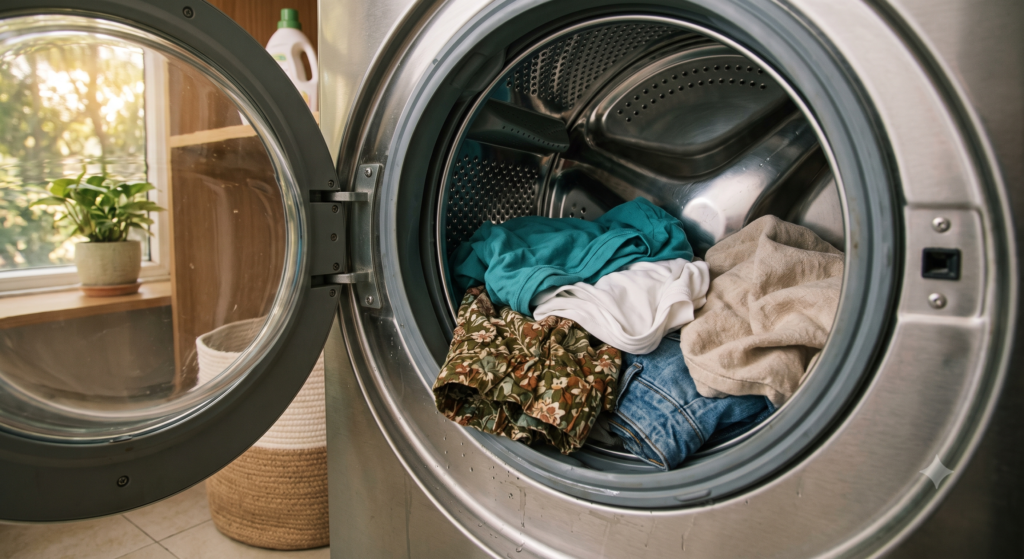
When the drum is too full, water and detergent can’t circulate properly. Some items may not get thoroughly wet, and rinsing becomes less effective.
Overloading also increases friction. Clothes rub against each other much more aggressively, which can speed up pilling, abrasion, and general surface wear.
Delicate fabrics are especially vulnerable.
Most machines have a recommended weight limit, usually based on dry laundry. A practical rule is to leave enough space for the clothes to move freely. A commonly used guideline is around three-quarters full rather than packing the drum to the top.
There should be enough room to push your hand into the load and turn it.
That extra space isn’t wasted. It allows the clothes to tumble properly, which helps both cleaning and rinsing.
If clothes sometimes come out smelling slightly stale even after a complete cycle, or if they seem to wear out unusually quickly, an overcrowded machine could be contributing to the problem.
Running a slightly smaller load may take more time, but it can be much kinder to your clothes.
5. Mixing Fabrics and Colors That Don’t Belong Together
Sorting laundry can feel like one more annoying task when you’re in a hurry, but combining the wrong clothes can lead to problems very quickly.
There are two main concerns: color transfer and friction.
Dark and strongly dyed fabrics can release some of their color during washing, particularly when they’re new. Everyone knows the classic example of a red garment turning a load of white clothes pink, but dye transfer can also happen with navy, black, deep green, and other darker shades.
The result isn’t always dramatic after one wash. Repeated mixing can gradually leave lighter clothing looking dull or slightly grey.
Fabric weight matters too.
A heavy pair of jeans moving around in the same load as a delicate lightweight top creates a lot more friction than you might expect. Denim’s coarse surface can rub against softer materials such as modal or lightweight cotton and cause pilling or surface wear.
Heavy garments can also take longer to dry. If everything goes into the dryer together, delicate pieces may end up exposed to more heat than they need.
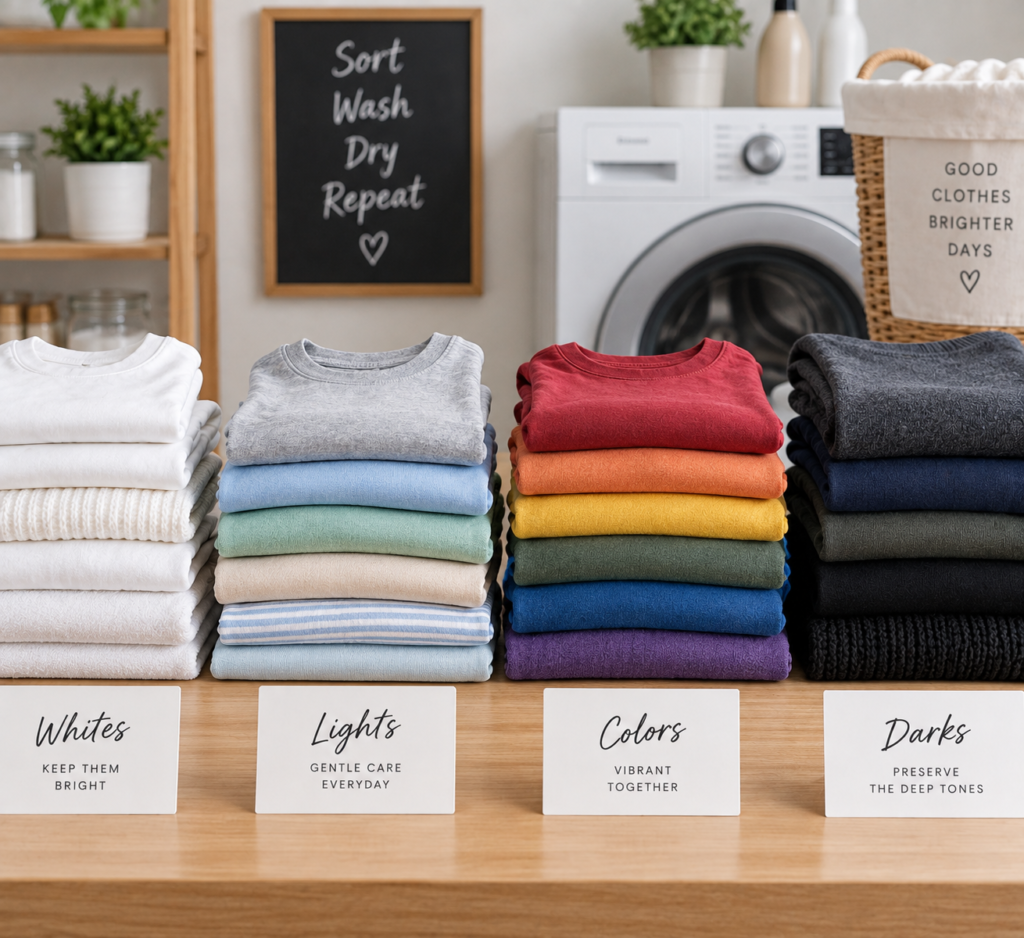
The easiest solution is to sort by color and fabric weight.
Keep whites, lights, and darks separate where practical, and avoid putting very heavy items in with delicate fabrics.
It takes a few extra minutes, but it can make a noticeable difference over time.
6. Over-Drying Clothes in the Tumble Dryer
A tumble dryer is convenient, but there is a point where more drying becomes unnecessary and starts putting extra stress on the fabric.
The last part of a long drying cycle is especially important. Once most of the moisture has gone, the machine is essentially using heat to remove the final traces of water.
Repeated exposure to that heat can weaken textile fibers.
Clothes that are regularly over-dried may gradually become rougher, less elastic, and more vulnerable to pilling or tearing.
You may not notice anything after a couple of cycles. The effects usually become clearer after months of regular use.
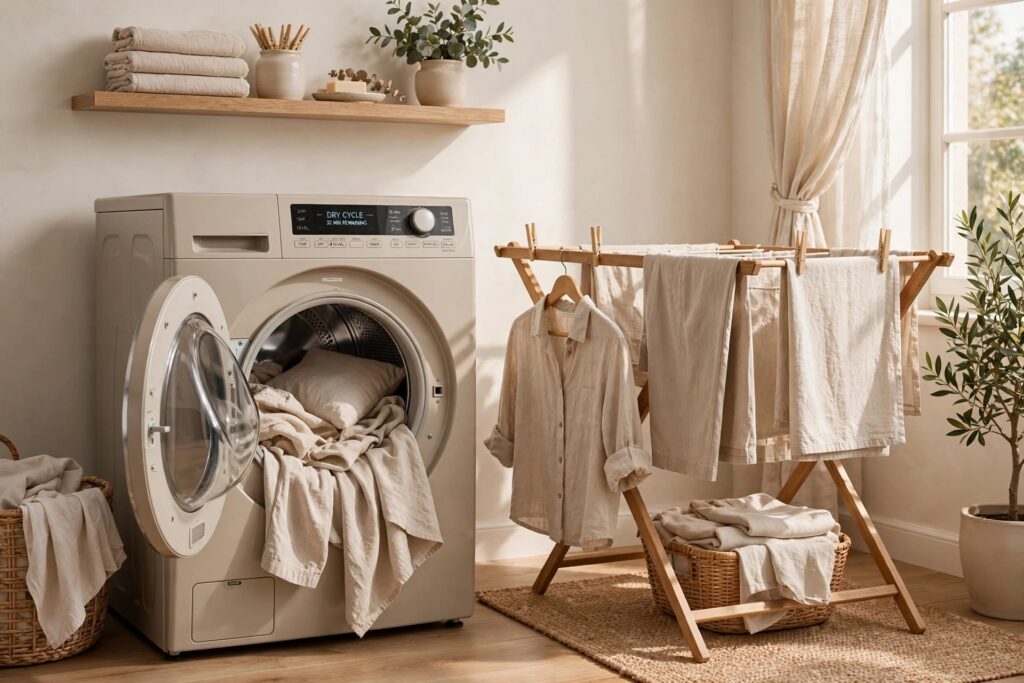
One simple adjustment is to take clothes out when they’re just slightly damp and let them finish drying naturally on a rack or hanger.
Many modern dryers also have moisture-sensing programs that stop automatically when the load has reached the desired dryness level. These can be useful because the machine isn’t running for longer than necessary.
This is particularly helpful with cotton T-shirts, which can shrink or become stiff after repeated exposure to heat, and with fabrics that contain elastic fibers.
Removing clothes a few minutes earlier may not sound like much, but over hundreds of drying cycles, it can make a real difference.
7. Putting Delicate or Elastic Items in the Dryer
Some clothing should simply stay out of the tumble dryer.
Items containing elastic are especially vulnerable. Swimwear, underwear, sports bras, leggings, and similar garments rely on stretchy fibers that don’t respond well to repeated high heat.
Heat combined with constant tumbling can cause those elastic fibers to deteriorate faster.
The damage tends to happen gradually. A waistband becomes looser. A strap doesn’t feel as firm. A garment that once held its shape starts to sag.
Because the change happens over time, it can be easy to blame the age of the clothing rather than the drying routine.
Delicate fabrics have similar problems.
Silk, fine lace, lightweight knits, and decorated garments can be damaged by the mechanical movement inside a dryer. Embellishments may snag, delicate weaves can become distorted, and knits can lose their shape.
Air drying is the safer choice for these pieces.
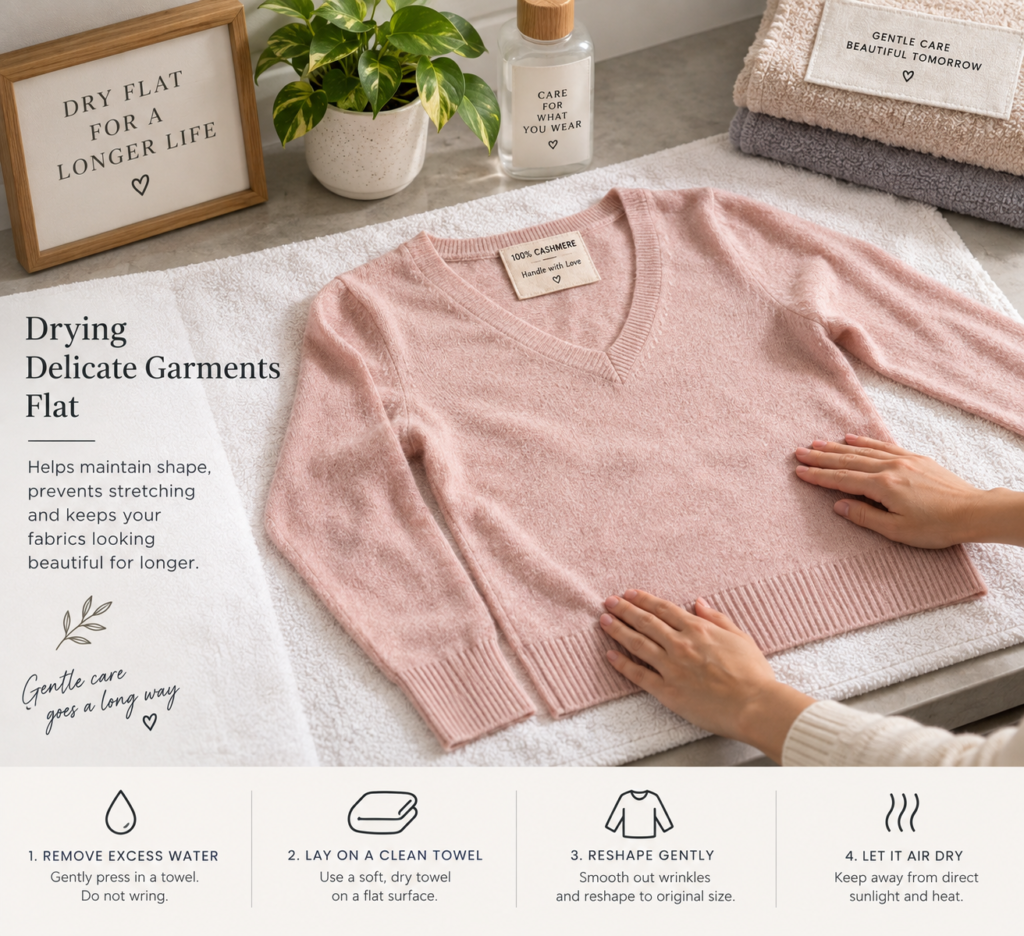
Knits are best dried flat rather than hung while wet, since their own weight can stretch them. A clean towel or drying rack works well.
Yes, these clothes take longer to dry. But that extra time can significantly extend their useful life.
8. Washing Stains Without Pretreating Them
A stained garment doesn’t always become clean just because it has gone through a normal wash cycle.
Regular washing is designed to clean the whole garment, not necessarily to remove a specific stubborn stain. Oil, blood, egg, coffee, and red wine can all require some attention before the main wash.
There is another problem with waiting.
Some stains become harder to remove once they’ve been exposed to washing or drying heat. Heat can help certain stain compounds bond more firmly with textile fibers, turning a small mark into something much more difficult to remove.
That’s why pretreating matters.
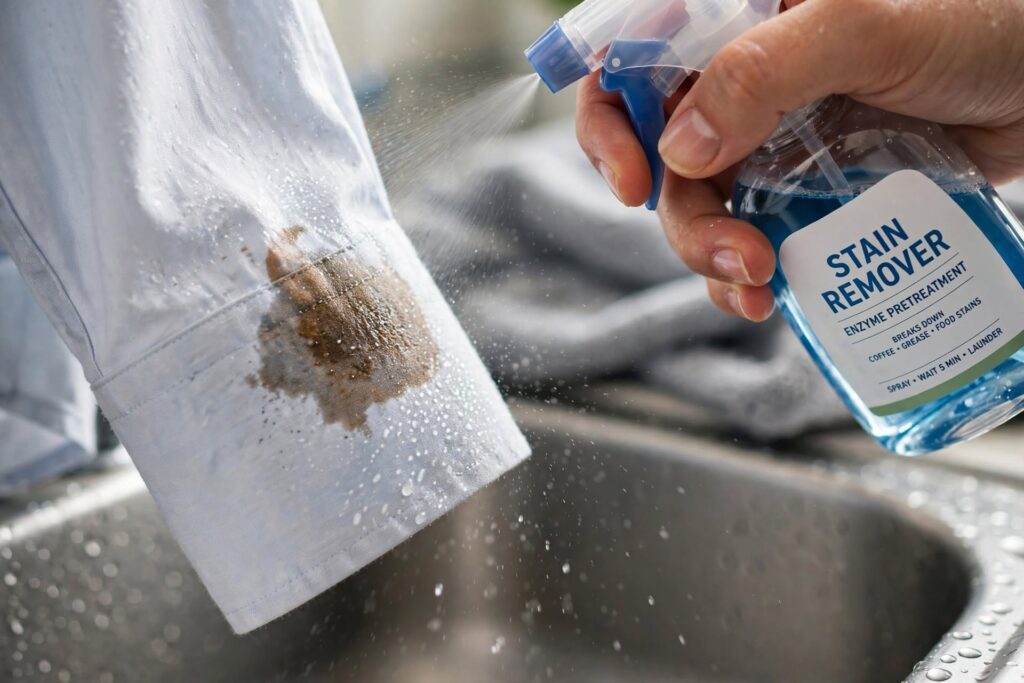
You don’t usually need an elaborate process. Apply a small amount of liquid detergent or a suitable stain treatment directly to the affected area and work it in gently.
Let it sit for a few minutes before washing.
For tougher marks, soaking the area in cool water first can help loosen the residue.
Speed matters too. Fresh stains are generally easier to deal with than stains that have already dried.
Even something as simple as blotting excess liquid and keeping the area from drying completely can give you a better chance of removing the stain later.
9. Storing Clothes the Wrong Way
Clothing can be damaged even when it isn’t being washed.
The way you store garments can stretch them, distort their shape, or leave permanent creases.
Knitwear is a common example.
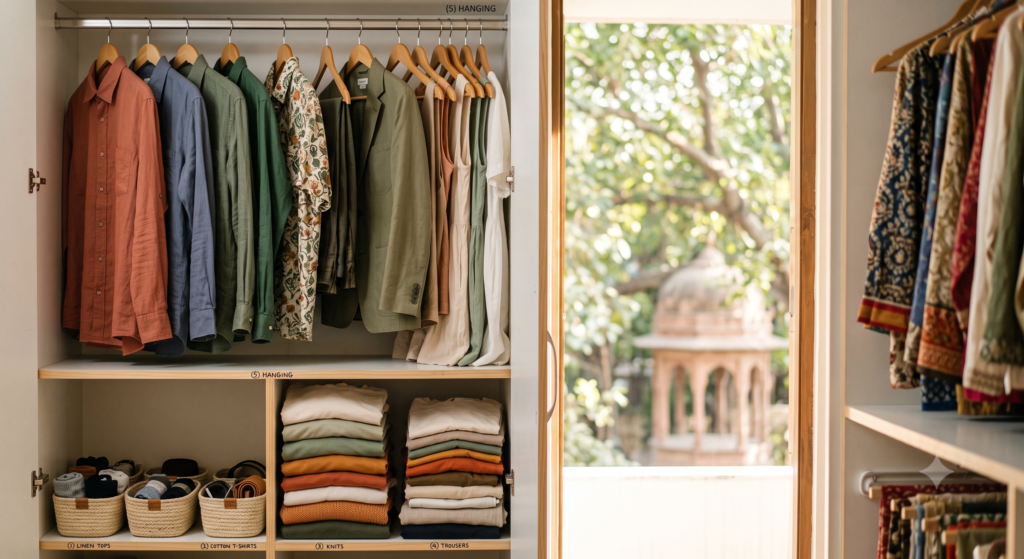
A heavy sweater hanging from a normal hanger can gradually stretch under its own weight. Over time, you may see bumps around the shoulders or a silhouette that no longer looks right.
Fold heavier knits and store them flat whenever possible.
If drawer space is limited, lighter knitted pieces can sometimes be folded over the horizontal bar of a hanger rather than hanging directly from the shoulders.
Structured garments need the opposite treatment. Blazers, tailored trousers, padded jackets, and other shaped pieces benefit from hangers that properly support their construction.
Padded or shaped hangers are generally better suited to these clothes than thin wire hangers, which offer very little support and can leave marks.
Don’t forget about overcrowding.
Packing too many garments together can create deep creases and cause surface abrasion as clothes constantly rub against one another. Delicate fabrics can be particularly affected.
Leaving a little space between garments helps reduce this wear.
For seasonal storage, breathable garment bags are generally preferable to plastic. Giving clothes appropriate storage even when they aren’t being worn can help protect them from unnecessary damage.
10. Using Too Much Heat When Ironing Delicate Fabrics
An iron can fix wrinkles in seconds, but the wrong temperature can damage a garment just as quickly.
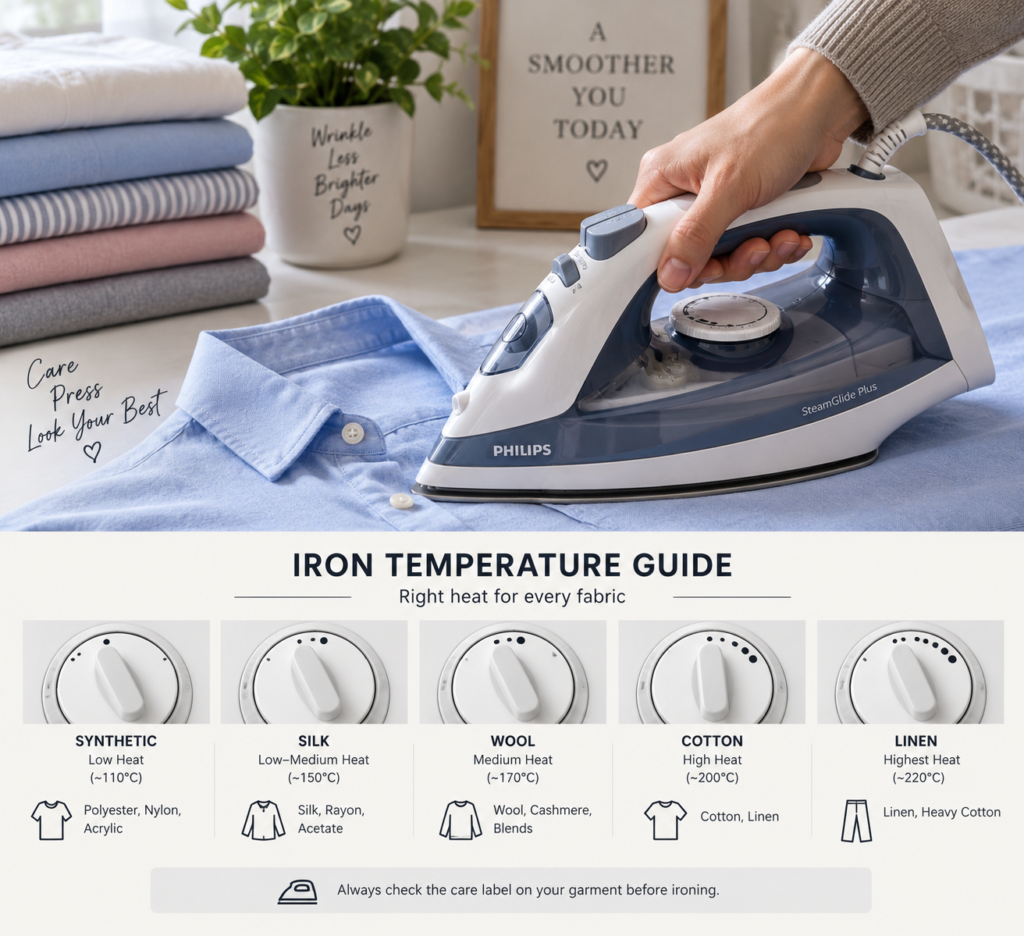
Silk, acetate, and many synthetic blends are particularly sensitive to heat. Too much heat can cause scorching, create shiny patches, distort the fabric, or in extreme cases partially melt some synthetic materials.
The mistake often happens out of habit.
If you’re used to ironing cotton at a high temperature, it can be easy to use the same setting on a delicate blouse without thinking about it.
Fortunately, this is easy to prevent.
Use the temperature setting intended for the fabric you’re ironing. When you’re uncertain, start lower.
It is also worth testing the iron on a hidden part of the garment, such as an inside hem or seam allowance, before pressing the visible surface.
For garments marked “do not iron,” a steamer can often be a safer option because it relaxes wrinkles without pressing a very hot surface directly against the fabric.
A pressing cloth adds another layer of protection. Simply place a thin cotton cloth between the iron and the garment before pressing.
It’s a small precaution, but it can prevent permanent heat damage.
Frequently Asked Questions
What is the most common laundry mistake that damages clothes?
Ignoring the care label is one of the most common mistakes because it can affect almost any garment.
Using the wrong cycle, temperature, or drying method can lead to shrinkage, stretching, fading, or other damage that may be impossible to reverse.
Taking a few seconds to check the label before washing a new or unfamiliar item can prevent many avoidable problems.
Is cold water actually better for washing clothes than hot water?
For most everyday laundry, cold water is gentler on fabrics and works well for lightly or moderately soiled clothing.
Modern detergents are designed to clean effectively at lower temperatures, so cooler washing doesn’t necessarily mean poorer cleaning.
Hot water still has a place for certain heavily soiled items and situations where hygiene is particularly important.
Using hot water as the default for every load, however, can speed up fading, shrinkage, and fiber breakdown.
Why do clothes shrink even when I follow the care label?
Some shrinkage can happen even when you follow the instructions correctly.
Natural fibers such as cotton and wool can experience some initial shrinkage during their first few washes as the fabric relaxes from the tension created during manufacturing.
Repeated washing near the upper end of the recommended temperature range can contribute to further shrinkage. Overdrying can also play a role.
So following the label greatly reduces the risk, but it doesn’t always guarantee that a garment will never change size.
How can I make my clothes last longer overall?
There isn’t one single trick that will suddenly double the life of your wardrobe.
The biggest improvement usually comes from combining a few simple habits. Wash clothes in cooler water when appropriate, use the correct amount of detergent, keep delicate and elastic items out of the dryer, store clothes according to their fabric and construction, and pretreat stains before washing.
Each change may seem small on its own. Together, they can make a noticeable difference over months and years.
Small Habits, Lasting Results
Most fabric damage is preventable.
The frustrating part is that many damaging habits don’t produce an obvious problem straight away. Your clothes may look perfectly fine after the first few washes. The damage appears gradually, which makes it easy to overlook the habits causing it.
Once you understand what heat, friction, moisture, detergent buildup, and poor storage can do to fabric, the better choices become much easier to make.
You don’t need to completely change your laundry routine overnight.
Start with the two or three mistakes that apply most to your wardrobe. Maybe that means using cooler water, reducing the amount of detergent, or keeping delicate items out of the dryer.
Small changes add up.
Over time, you’ll notice the difference in clothes that keep their color, hold their shape, and continue to feel good after repeated wear and washing.
For more guidance on choosing clothes that are built to last, explore our related guides on [Signs of Cheap Fabric] and [Best Fabrics for Sensitive Skin].