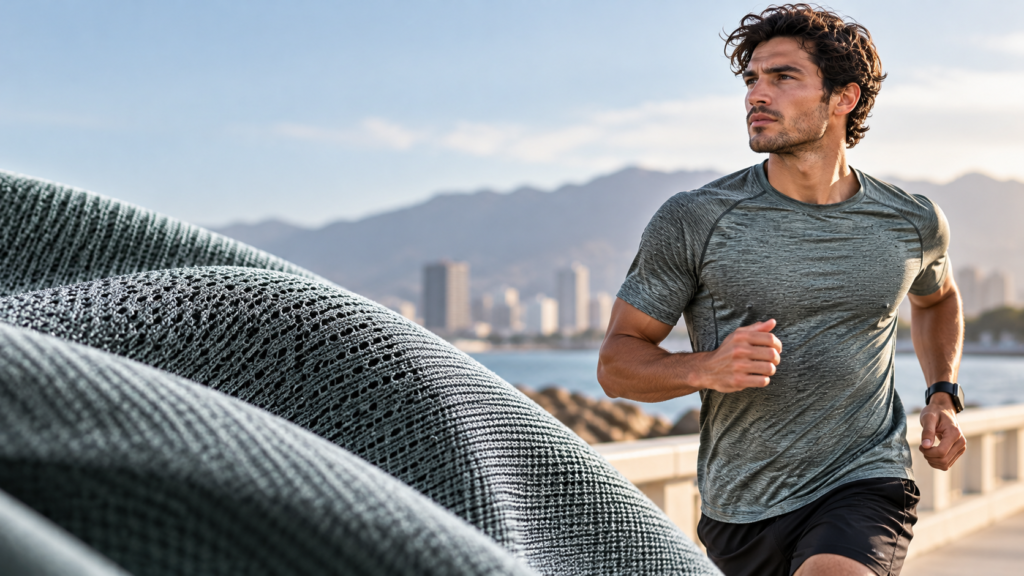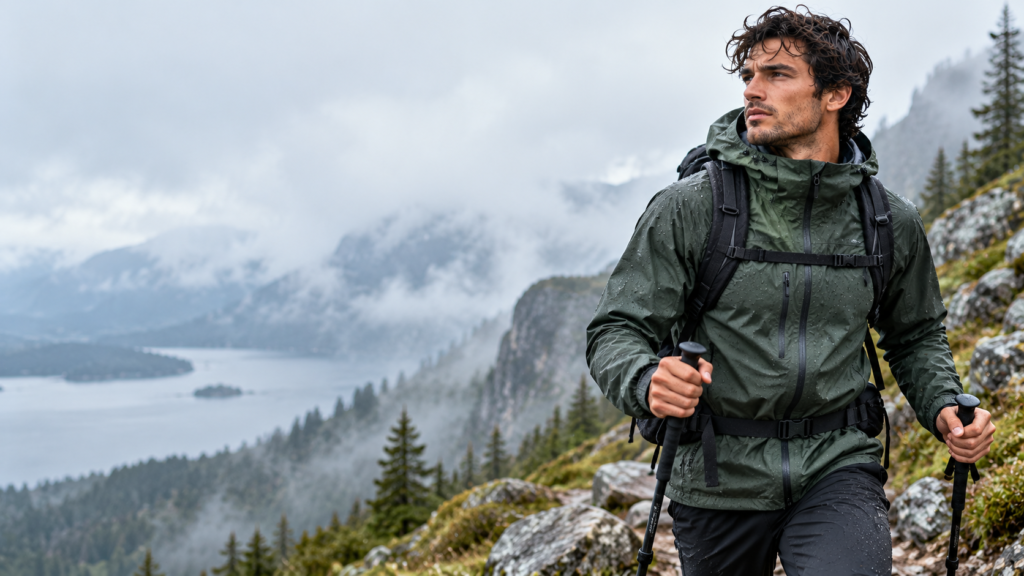
Waterproof clothing needs to do more than keep rain out. During hiking, climbing, skiing and other demanding activities, the body produces heat and perspiration that can build up inside a jacket. NeoShell fabric was developed to address this problem by combining waterproof protection with breathability and a more flexible feel than many traditional hard-shell materials.
Created by Polartec, NeoShell is a branded performance textile technology used in technical outerwear and selected outdoor products. It is particularly known for its focus on air permeability, helping excess heat and moisture escape during movement. This makes it an interesting option for people who find conventional waterproof jackets too clammy during strenuous activity.
NeoShell is not a natural fiber or a conventional fabric defined by its weave. It is a membrane-based textile construction, usually combined with an outer fabric and an inner layer. Its performance depends on the complete laminate, the garment’s design and the conditions in which it is worn.
Quick Facts About NeoShell Fabric
| Property | Details |
|---|---|
| Fabric category | Branded waterproof and breathable textile technology |
| Brand | Polartec |
| Membrane technology | Electrospun, porous membrane in established NeoShell constructions |
| Main benefits | Waterproof protection, breathability and flexibility |
| Common face fabrics | Nylon and other technical textiles |
| Texture | Often softer and more flexible than rigid-feeling shell fabrics |
| Stretchability | Depends on the complete construction |
| Common uses | Outdoor jackets, rain shells, ski clothing, trousers and selected footwear |
| Care | Follow the garment label; suitable washing helps maintain performance |
| Cost | Generally more expensive than ordinary rainwear materials |
What Is NeoShell Fabric?
NeoShell is a waterproof and breathable textile technology developed by Polartec. It was introduced for outdoor clothing that needed to protect against rain and wind without sacrificing too much comfort during physical activity.
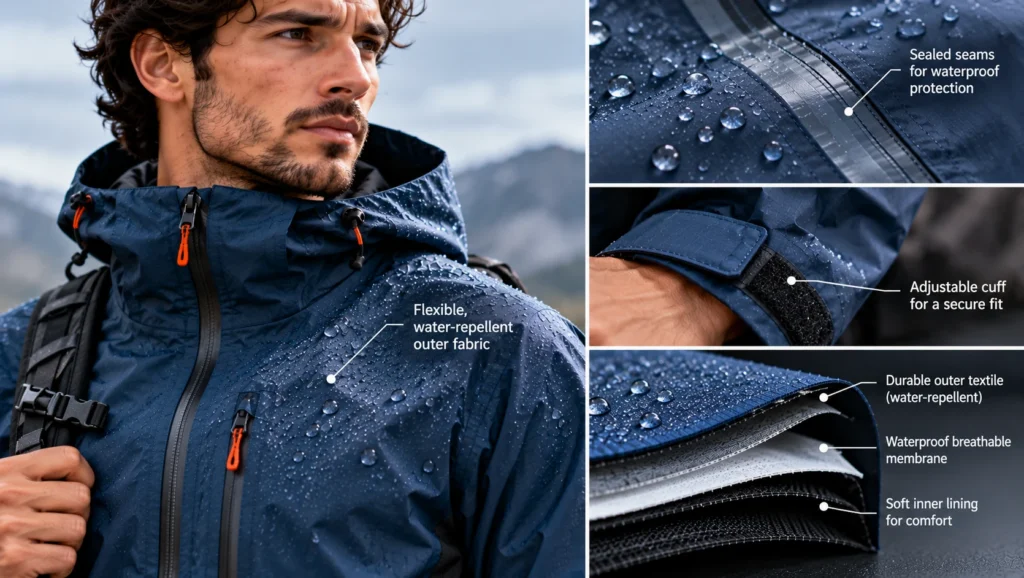
A key feature of established NeoShell constructions is an electrospun membrane. Electrospinning is a manufacturing technique that creates an extremely fine network of fibers. In the membrane, this structure is designed to resist liquid water while supporting the movement of air and water vapour through the material.
This approach gives NeoShell a different feel from some waterproof fabrics that rely on very low air permeability. The ability to exchange a controlled amount of air can help release heat during high-output activities. However, it does not mean the fabric provides the same ventilation as an open mesh or an uncoated textile.
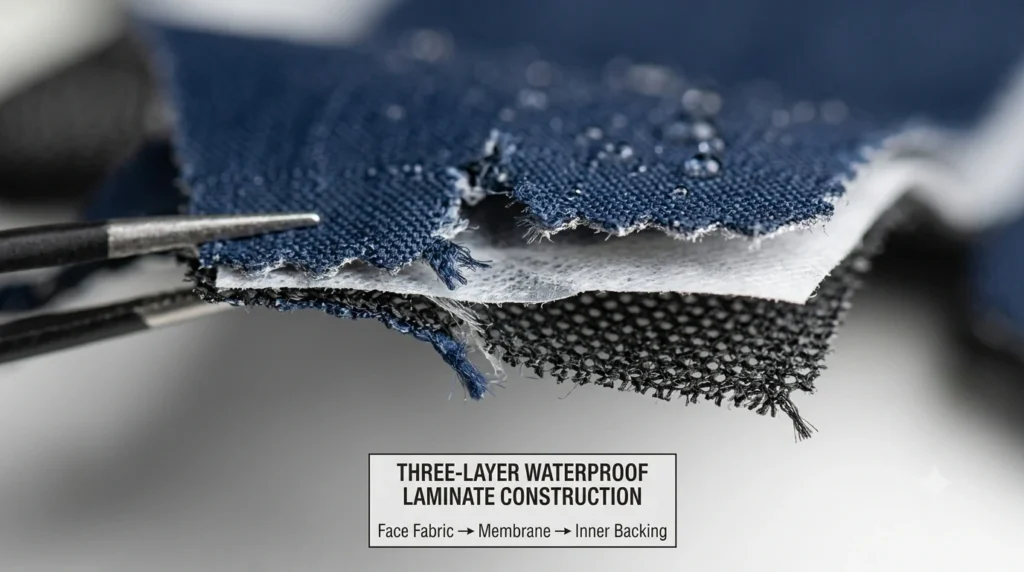
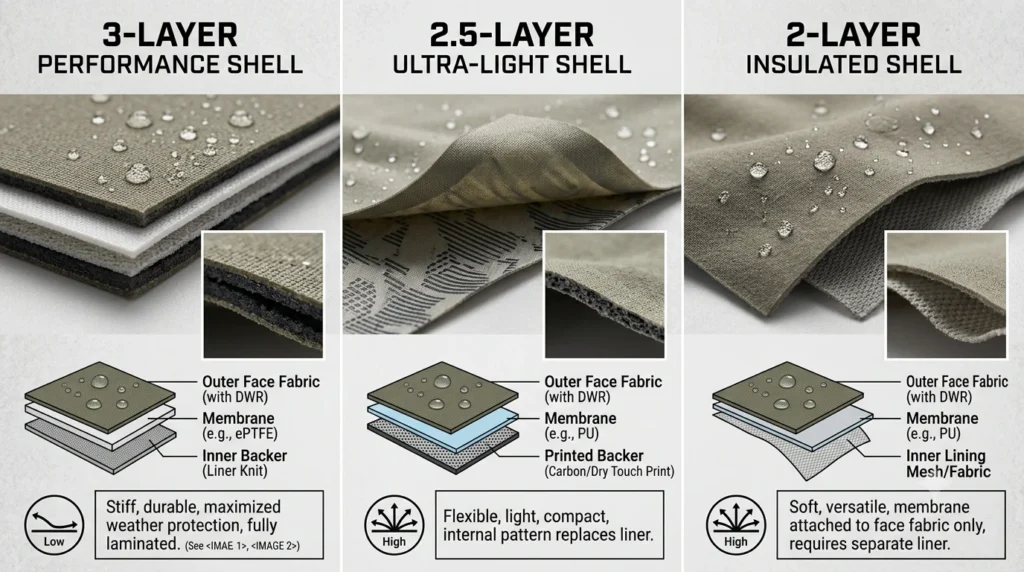
The membrane is only one part of the finished fabric. An outer face textile contributes strength and abrasion resistance, while an inner layer helps protect the membrane and improve comfort. Different combinations can change the weight, flexibility, durability and feel of the finished garment.
NeoShell is best understood as a technology with a particular performance focus, not as a guarantee that every jacket carrying the name will behave identically. The construction, fit, ventilation openings and weather conditions all affect real-world comfort.
History of NeoShell Fabric
Polartec introduced NeoShell in 2011, entering a market where waterproof and breathable textiles were already important to outdoor clothing. The goal was to offer weather protection while allowing greater air exchange and comfort during strenuous movement.
The technology drew on electrospun membrane development and built on Polartec’s experience with performance fabrics. Its approach appealed to people who wanted a waterproof shell that felt less restrictive during activities such as climbing, hiking and skiing.
In 2016, Polartec worked with Japanese outdoor brand Teton Bros. to develop NeoShell constructions with a stronger emphasis on stretch, softness and mobility. Different face fabrics and interior layers could be paired with the membrane to achieve particular combinations of comfort and durability.
NeoShell has also been used in products from outdoor and fashion brands, including technical jackets and snow-sports apparel. Its presence in footwear has been more limited than its use in outerwear.
The broader waterproof textile market continues to evolve, with manufacturers developing new membrane structures, chemical formulations and fabric combinations. NeoShell remains associated with Polartec’s approach to breathable weather protection, while the exact products available can vary by season and manufacturer.
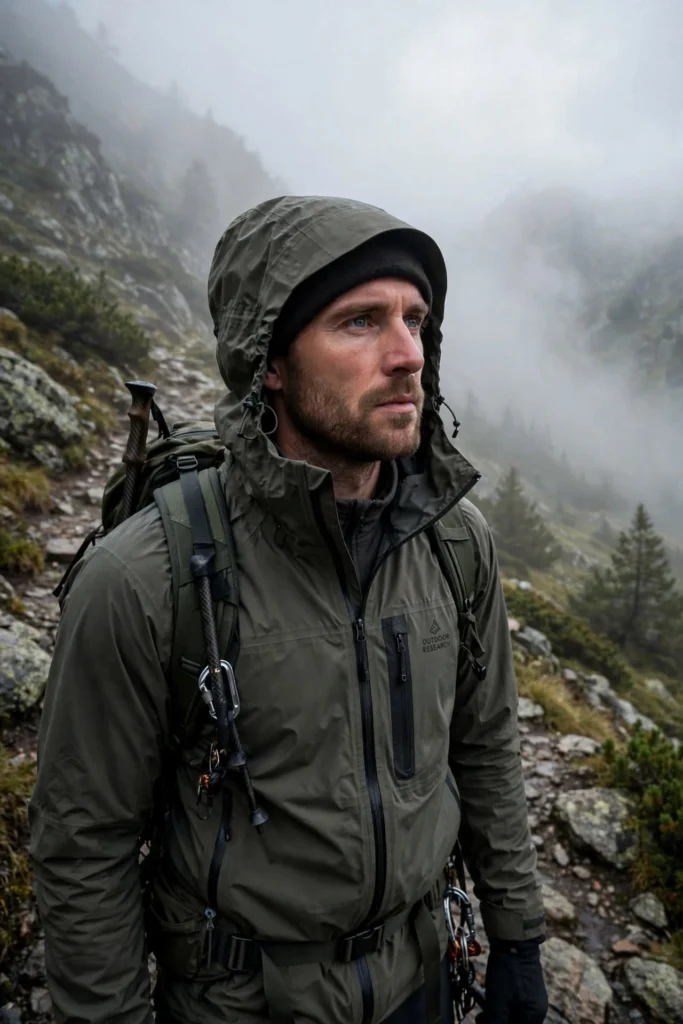
How Is NeoShell Fabric Made?
NeoShell uses specialised membrane technology, with established constructions associated with electrospinning. The precise manufacturing process is proprietary, but the general stages of producing a membrane-based technical textile can be explained.
1. Creating the membrane
Electrospinning uses an electrically charged process to form very fine fibers from a polymer solution or melt. These fibers collect into a thin network that becomes the functional membrane.
The structure must be carefully controlled so that the finished material can resist liquid water while supporting the intended level of air and moisture-vapour transmission.
2. Selecting the outer textile
A face fabric is chosen according to the intended use. Nylon is one option because it can offer strength, low weight and abrasion resistance. Other technical textiles may be selected to achieve a particular feel, appearance or level of flexibility.
The face fabric affects how the garment drapes and how well it withstands rubbing against rocks, equipment or other surfaces.
3. Adding the inner layer
The membrane is combined with an inner textile or backing. Some NeoShell constructions use fine-gauge knit layers to improve comfort and reduce snagging. The complete combination is designed to protect the membrane while preserving the desired flexibility and breathability.
4. Laminating the layers
The selected layers are bonded together to create a stable laminate. The construction can be adapted for different requirements, such as lower weight, greater durability or improved mobility.
5. Making the finished garment
The fabric is cut and sewn into jackets, trousers or other products. Seams, zippers, pockets and openings need careful construction because the membrane alone cannot prevent water from entering through poorly protected garment details.
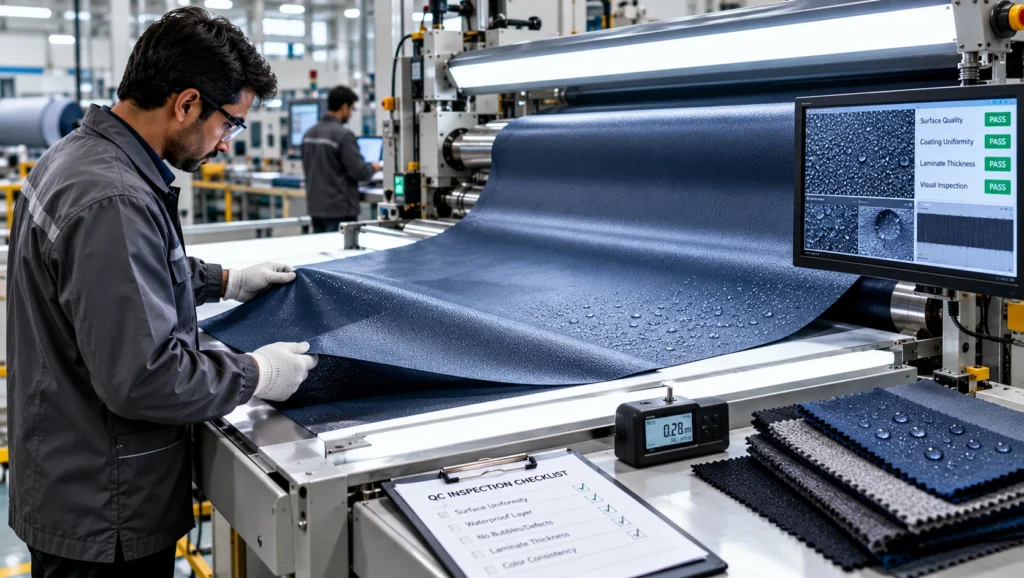
6. Testing performance
Technical fabrics may be assessed for waterproofness, air permeability, moisture-vapour transmission, strength and durability. Results depend on the test method, and figures from different methods should not be compared as though they measure exactly the same thing.
How Is NeoShell Fabric Used?
NeoShell is most closely associated with outdoor clothing that needs to balance weather protection and freedom of movement.
Outdoor jackets and rain shells
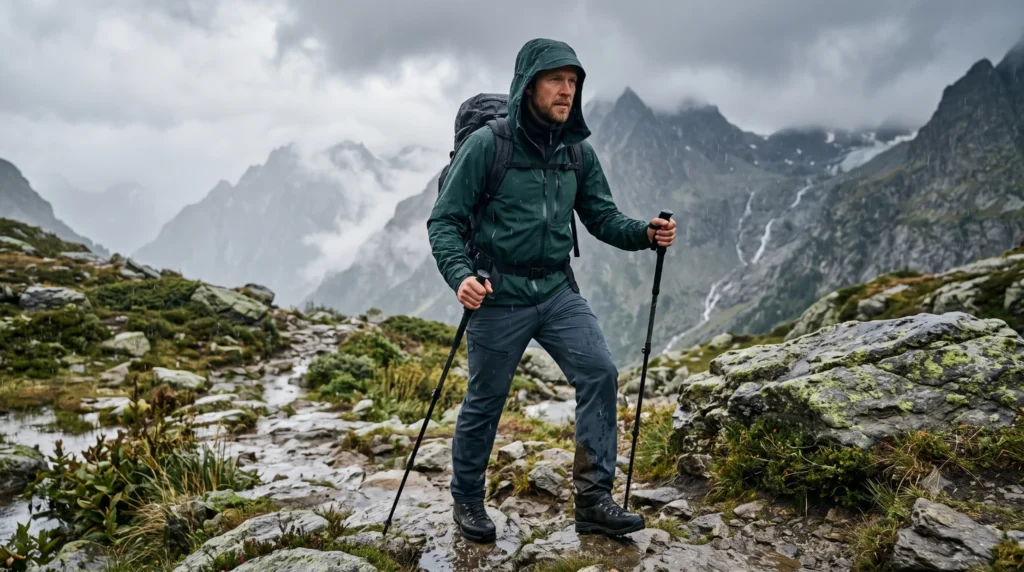
Waterproof shells are a major application. NeoShell can suit hikers, climbers and outdoor enthusiasts who need protection from rain but also generate considerable heat while moving. The fabric’s flexibility can make it comfortable for active use.
Skiing and snowboarding clothing
Snow-sports garments need to handle wind, falling snow, changing temperatures and repeated movement. NeoShell has been used in jackets and trousers designed for skiing and snowboarding, where a combination of protection and mobility is valuable.
Hiking trousers and technical pants
Waterproof trousers help protect against wet vegetation, rain and snow. Their comfort depends on the fabric, cut, ventilation and the amount of movement required. A flexible membrane construction may be useful when walking, climbing or scrambling.
Technical outdoor clothing
The material can be incorporated into specialised shells designed for changing weather and demanding activities. The right construction depends on the balance between durability, breathability, weight and protection.
Footwear
NeoShell technology has also appeared in selected outdoor footwear. In shoes and boots, the membrane must work with the upper material, lining, seams and overall shape. Footwear performance cannot be judged from the membrane alone.
Not every NeoShell construction is suited to every application. Buyers should check the product specifications and intended activity before choosing a garment.
Where Is NeoShell Fabric Produced?
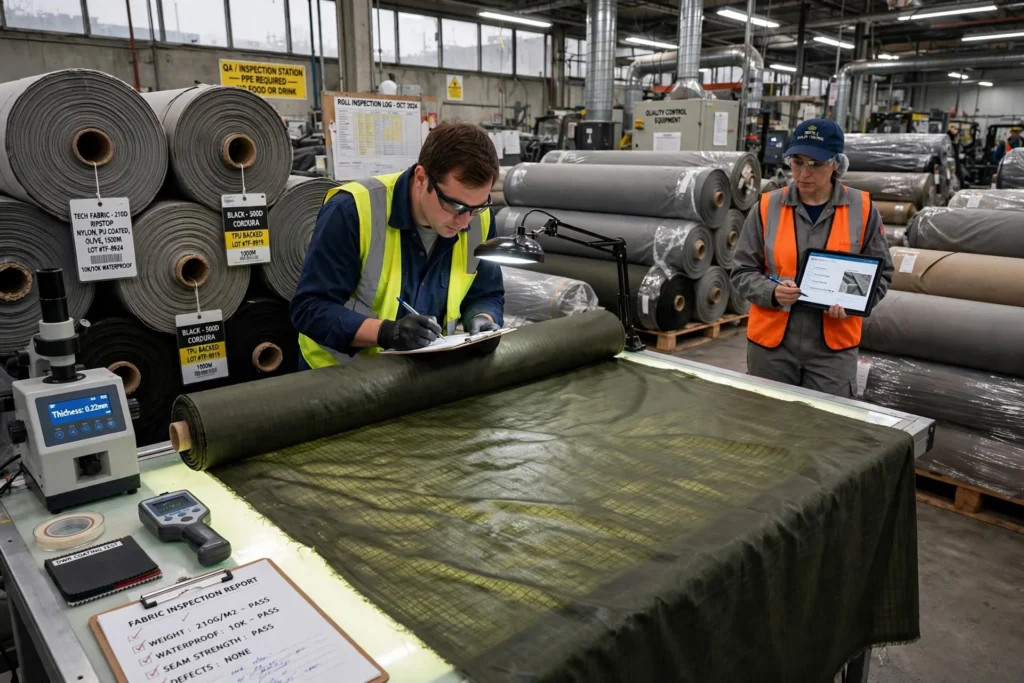
NeoShell is a Polartec technology, and its supply chain can include membrane production, textile lamination, finishing and the assembly of finished garments. These steps may take place at different facilities or in different countries.
The origin of a finished jacket is not necessarily the same as the origin of its membrane or face fabric. Manufacturing arrangements can also change, so the production country should be checked for the specific item rather than assumed for the entire product range.
For clothing brands and manufacturers, current technical specifications and sourcing information should be obtained through appropriate supplier channels. For consumers, the product label and manufacturer’s documentation are the best starting points for identifying the country of manufacture.
How Much Does NeoShell Fabric Cost?
NeoShell is a specialised performance material, so finished garments generally cost more than basic rainwear made from simple coatings or conventional fabrics. The price reflects the membrane technology, the textile layers, manufacturing complexity and the design of the finished product.
The final cost varies depending on several factors:
- Fabric construction: The outer textile and inner backing affect comfort, strength and weight.
- Durability: Reinforced or abrasion-resistant face fabrics may cost more than lightweight alternatives.
- Garment design: Sealed seams, technical zippers, adjustable hoods and pocket placement add complexity.
- Intended activity: Products designed for demanding mountain conditions may require specialised construction and testing.
- Availability: Pricing depends on the specific product, supplier and season.
The cost of a finished jacket is not the same as the cost of the fabric alone. For consumers, comparing the complete garment’s fit, durability, weather protection, breathability and warranty is more useful than comparing brand names in isolation.
Manufacturers and designers should request current quotations and technical documentation from authorised suppliers because availability and pricing can vary by construction and order volume.

What Different Types of NeoShell Fabric Are There?
NeoShell is a branded technology rather than a broad family of unrelated fibers. Differences usually come from the membrane construction, the face fabric, the inner layer and the way the laminate is engineered for a particular activity.
1. Original NeoShell constructions
The original NeoShell range established the technology’s emphasis on waterproof protection and air permeability. These materials were developed for outdoor shells that needed to handle wet conditions while remaining comfortable during movement.
Older products may still be available through existing stock or resale markets, but their exact specifications depend on the garment and production year.
2. Updated and specialised NeoShell constructions
Polartec has worked on versions tailored to particular brands and uses. These constructions can differ in softness, stretch, weight and abrasion resistance while retaining the central purpose of the technology.
A version designed for a highly active mountain garment may use a different outer textile from one intended for general rain protection.
3. Lightweight constructions
Lighter face fabrics can make a shell easier to pack and more comfortable during fast-moving activities. The trade-off may be lower abrasion resistance compared with heavier fabrics, depending on the specific material.
4. More durable constructions
Some NeoShell laminates use stronger outer textiles or more protective inner layers. These can be appropriate for repeated use in demanding outdoor conditions, where equipment and rough surfaces place greater stress on the garment.
5. Stretch-oriented constructions
Certain combinations of face fabric, membrane and inner layer are designed to provide more flexibility. This can help with climbing, skiing and other activities that require a broad range of movement.
How does NeoShell compare with other waterproof fabrics?
Several other technologies compete in the waterproof and breathable textile market. They should be treated as alternatives, not as types of NeoShell.
- GORE-TEX: A separate family of waterproof textile technologies with multiple constructions for different uses.
- Polartec Power Shield Pro: A different Polartec weather-protection technology designed for demanding outdoor conditions.
- Polartec Windbloc: Focuses on wind protection and cold-weather comfort rather than being interchangeable with every waterproof NeoShell construction.
- The North Face FUTURELIGHT: A separate waterproof and breathable textile technology.
- Outdoor Research AscentShell: Another membrane-based technology used in technical outdoor clothing.
The best comparison is between specific finished garments and their tested specifications. Waterproofness, air permeability, moisture-vapour transmission, weight, flexibility, durability and care requirements all matter more than a general claim that one technology is better than another.
How Does NeoShell Fabric Impact the Environment?
NeoShell’s environmental impact depends on its polymer materials, textile layers, finishing treatments, manufacturing processes, transport and useful life. Its performance benefits can be valuable, but technical capability does not automatically make a fabric environmentally friendly.
Synthetic materials and manufacturing
Established NeoShell membranes use electrospun polymer technology, and the outer textiles may contain nylon or other synthetic fibers. Producing these materials requires industrial resources and energy. Lamination and finishing add further steps to the manufacturing process.
Chemical considerations
The environmental profile of a waterproof textile depends partly on the membrane and any water-repellent finish used on the outer fabric. Some historical outdoor waterproofing treatments have involved fluorinated chemistry, which has raised concerns about persistent chemicals in the environment.
Do not assume that every NeoShell garment has the same chemical composition. Anyone seeking products made without intentionally added PFAS should look for a clear, product-specific statement from the manufacturer covering the membrane and relevant finishes.
Fiber shedding and end of life
Synthetic face fabrics can release small fibers through wear and washing. Laminated textiles can also be difficult to separate into their component materials, which may limit recycling options at the end of a garment’s life.
Durability and care
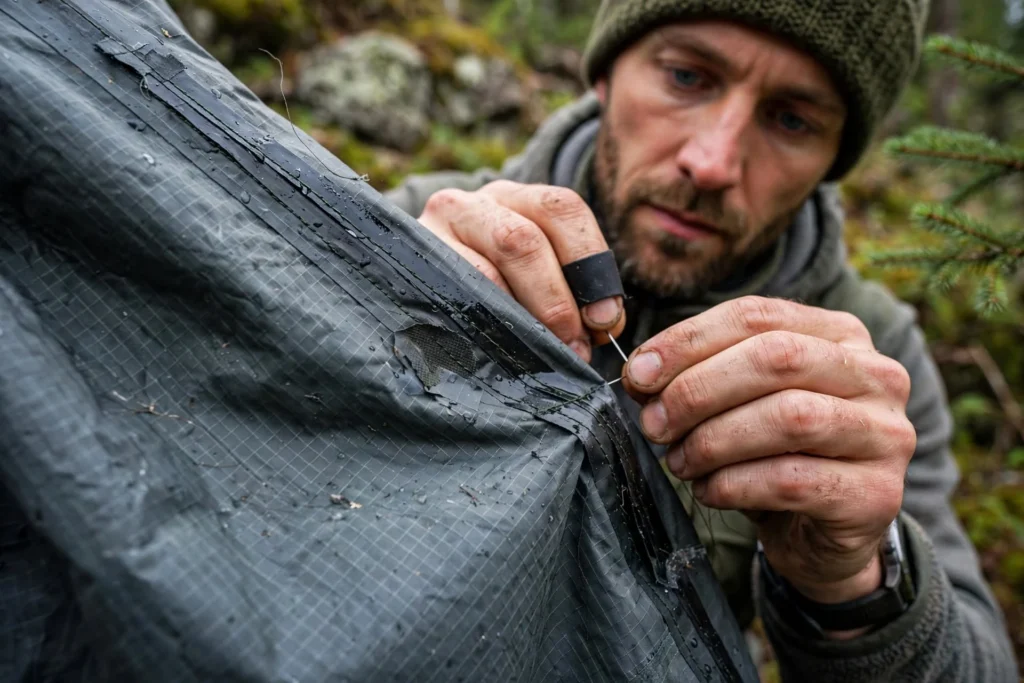
A technical jacket that remains functional for many years may avoid frequent replacement. Following the care label, cleaning away dirt and body oils, maintaining the outer water-repellent finish when recommended and repairing small areas of damage can help extend its useful life.
A balanced assessment
NeoShell can provide valuable protection for people who spend time outdoors, but its overall environmental impact depends on the complete product. Consider its expected lifespan, material composition, chemical information, repair options and disposal route rather than judging it by breathability or waterproof performance alone.
NeoShell Fabric Certifications Available
Certifications can provide information about textile safety, chemical management, recycled content or manufacturing practices. However, they apply only to the products, components or facilities included within their scope.
Depending on the specific garment and its supply chain, relevant standards may include:
- OEKO-TEX® STANDARD 100: Tests textile products and components for specified harmful substances according to its criteria.
- bluesign®: Addresses chemical management and environmental and worker-safety considerations in textile production.
- Global Recycled Standard (GRS): Verifies recycled material content and supply-chain tracking for products that meet the standard’s requirements.
These standards assess different things. A certified manufacturing facility does not automatically mean every finished garment is certified, and a recycled-content claim does not establish the overall environmental impact of a product.
For any NeoShell product, check the actual certificate or product documentation before making a claim about certification, chemical safety or recycled content.
Frequently Asked Questions About NeoShell Fabric
Is NeoShell fabric waterproof?
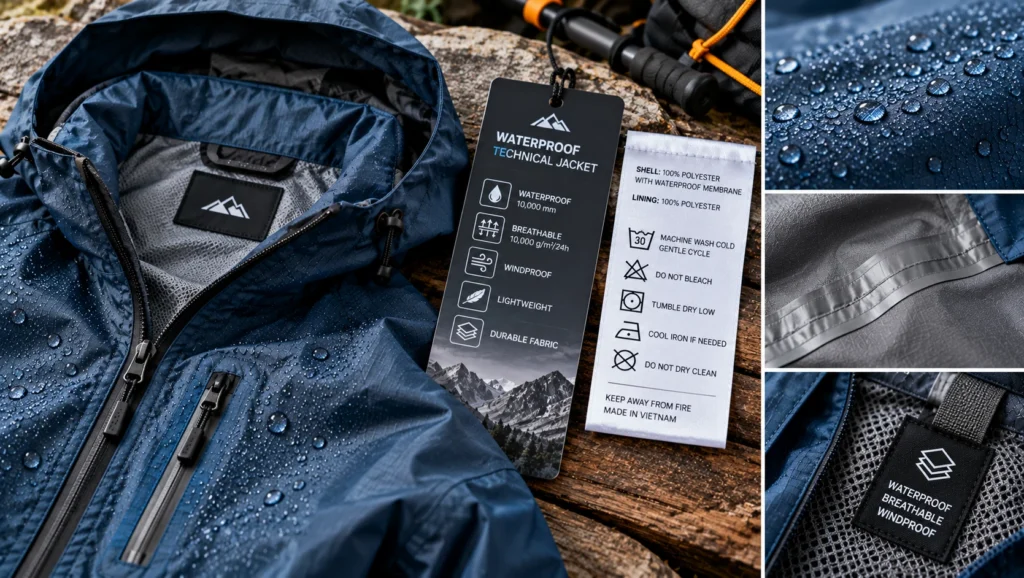
NeoShell is designed to provide waterproof protection. The performance of a finished garment also depends on its seams, zippers, closures, construction and condition.
Is NeoShell fabric breathable?
Yes. NeoShell is known for combining waterproof protection with breathability and air permeability. Comfort still depends on activity level, temperature, humidity, garment fit and ventilation.
What makes NeoShell different from other waterproof fabrics?
Its main point of distinction is its focus on air exchange and comfort during active use, alongside waterproof protection. The actual difference depends on the specific NeoShell product and the competing fabric being compared.
Is NeoShell fabric stretchy?
Some NeoShell constructions offer useful flexibility, particularly those designed with stretch-oriented textile layers. The amount of stretch varies by product, so check the garment specifications.
Is NeoShell suitable for skiing and snowboarding?
It can be suitable for snow-sports clothing because it combines weather protection with mobility. The right jacket or trousers should also provide appropriate insulation or layering compatibility, seam protection and ventilation.
Can NeoShell clothing be machine-washed?
Care instructions vary by garment. Follow the label, use a suitable detergent and avoid fabric softeners or bleach when the manufacturer advises against them. Proper cleaning can help maintain the performance of the outer textile.
Does NeoShell fabric need a water-repellent finish?
Many waterproof shell garments use a durable water-repellent finish on the outer face fabric. When water no longer beads effectively, the garment may need cleaning and, if recommended, a compatible reproofing treatment.
Is NeoShell better than GORE-TEX?
Neither technology is automatically better in every situation. Compare the specific garment’s waterproof performance, breathability, air permeability, durability, flexibility, fit, price and care requirements against the conditions in which it will be used.
Is NeoShell fabric environmentally friendly?
Its environmental impact depends on the materials, chemical treatments, manufacturing and product lifespan. A durable garment that can be repaired may offer practical advantages, but waterproof performance alone does not make a fabric sustainable.
How long does NeoShell clothing last?
There is no single lifespan for all NeoShell garments. Frequency of use, abrasion, care, storage, construction quality and repairs all affect how long a product remains functional.
Is NeoShell suitable for everyday rain jackets?
It can be, particularly for people who value breathability and flexibility. For occasional light rain or short commutes, a simpler and less expensive rain jacket may provide sufficient protection.