What Is Alpaca Wool Fabric?
Alpaca wool fabric is a natural textile made from the fibers that grow naturally on alpacas. Alpacas are camelids native to South America and are closely related to llamas and other members of the camel family.
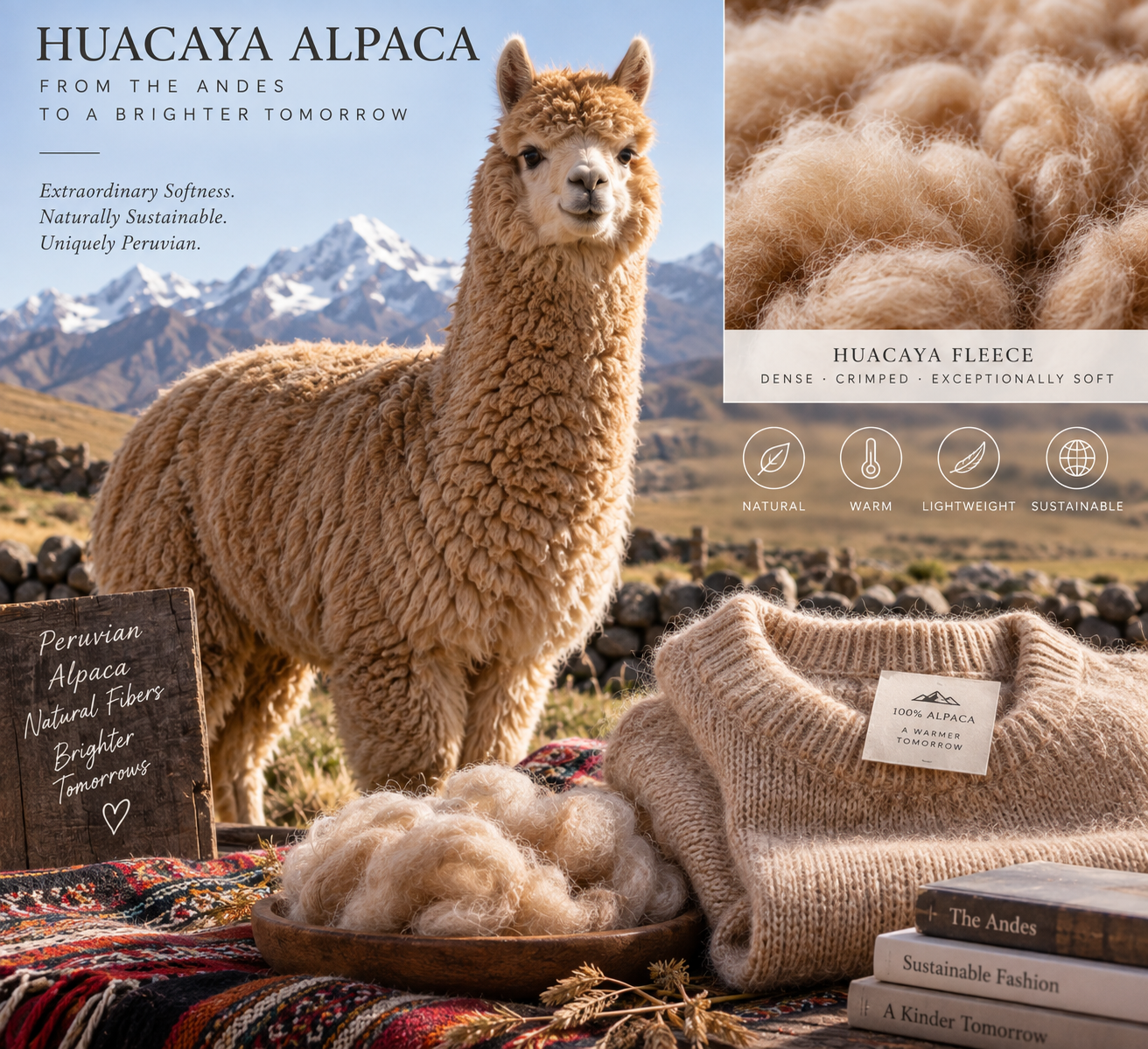
There are two main alpaca breeds used for fiber production: Huacaya and Suri. Both produce highly valued fibers, although their textures and characteristics are different.
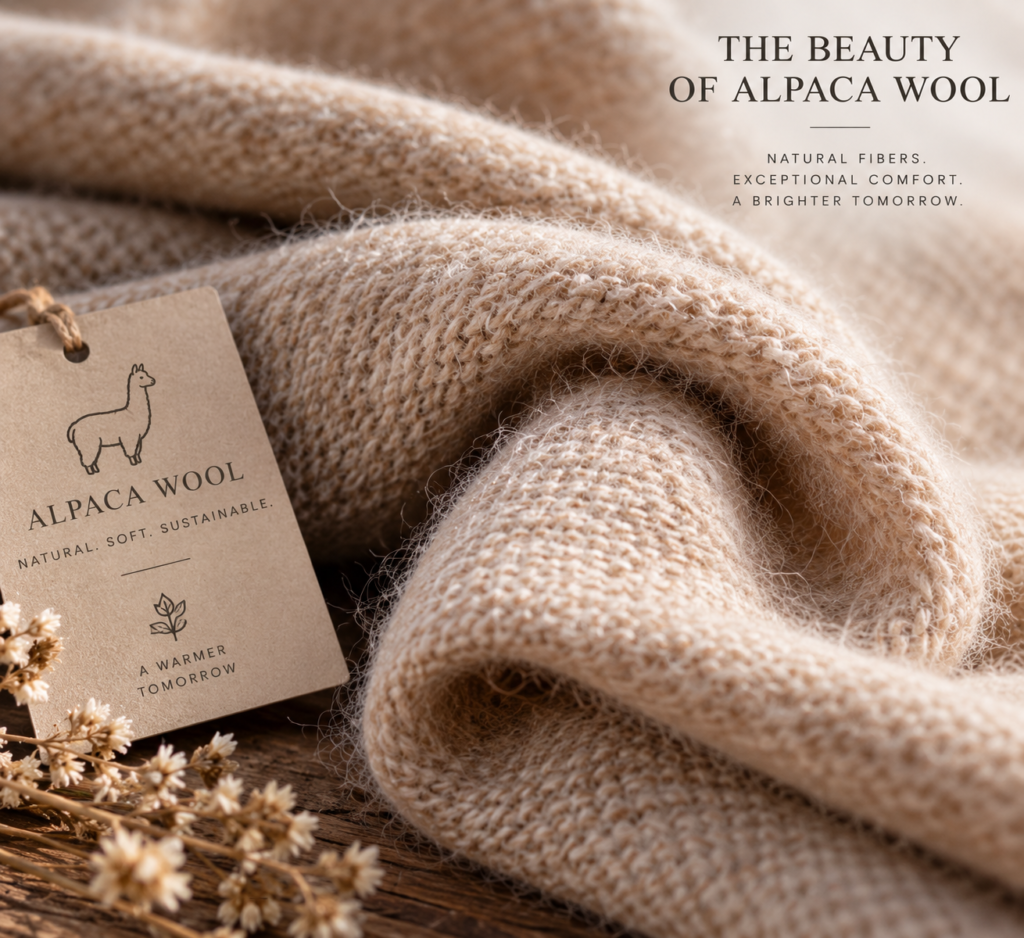
Compared with traditional sheep’s wool, alpaca wool is generally softer and more durable. Its fibers contain tiny air pockets that contribute to both breathability and excellent insulation, making alpaca one of the warmest natural animal fibers.
Alpaca wool is also naturally water-resistant and relatively difficult to ignite. Unlike sheep’s wool, it does not contain lanolin, which makes it suitable for people who are sensitive to lanolin and gives it hypoallergenic properties.
Huacaya fiber has a natural crimp that gives it a soft, spongy texture and makes it easier to knit. Suri fiber is straighter, smoother, and more suitable for weaving.
Because of its combination of softness, warmth, durability, and luxurious appearance, alpaca wool is considered a premium textile fiber. It has been valued in South America for thousands of years and was historically associated with royalty, sometimes being referred to as the “fiber of the gods.”
Quick Facts About Alpaca Wool Fabric
| Property | Details |
|---|---|
| Fabric name | Alpaca wool |
| Also known as | Alpaca fiber |
| Fiber source | Huacaya or Suri alpacas |
| Breathability | High |
| Moisture-wicking ability | High |
| Heat retention | High |
| Stretchability | Medium |
| Pilling tendency | Medium |
| Historical origin | South America |
| Major producer/exporter | Peru |
| Recommended washing | Warm water, according to care instructions |
| Common uses | Sweaters, socks, fleece jackets, hats, gloves, suits, and designer clothing |
How Is Alpaca Wool Fabric Made?
The production of alpaca wool is similar to traditional wool processing, although there are some differences in how the raw fiber is collected and washed.
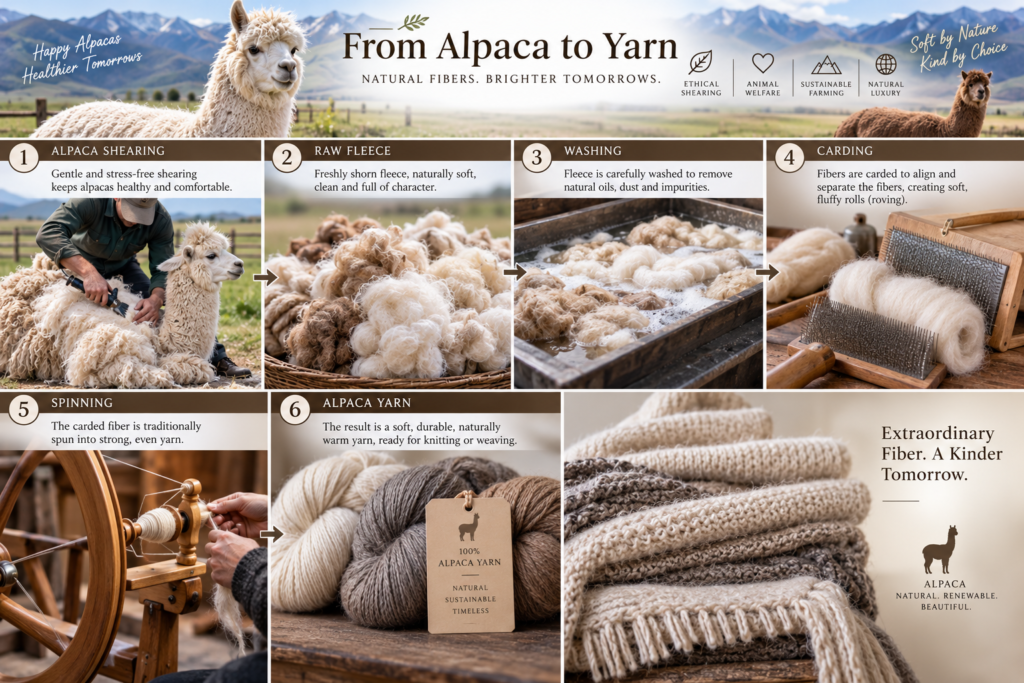
1. Shearing the Alpaca
The process begins with shearing the alpaca when its coat has reached a suitable length. The ideal time can vary depending on the animal and whether it is a Huacaya or Suri alpaca.
Alpacas are generally sheared by hand using scissors or specialized shearing equipment. The process requires careful handling because alpacas can resist being restrained.
The fleece is usually removed close to the skin, with much of the animal’s coat collected as a single large mat.
2. Carding
After shearing, the raw fleece is carded. Carding separates and aligns the individual fibers so they are organized in the same general direction.
This prepares the fiber for spinning.
3. Spinning
The carded fibers are spun into yarn.
Traditional Peruvian producers may use a pushka, a type of drop spindle that uses gravity to combine the fibers into yarn. Treadle wheels and modern factory spinning equipment are also used.
In Peru, much of the production continues to be performed by Indigenous communities using traditional methods.
4. Washing
Unlike some sheep-wool processing methods, alpaca wool is often washed after it has been spun into yarn.
Traditional producers in Peru may use wild plants to create simple, non-toxic cleaning substances. Industrial producers may use other mild washing agents.
5. Air-Drying and Finishing
After washing, the yarn is air-dried and prepared for use in finished textile products.
It can then be knitted or woven into garments and other products.
How Is Alpaca Wool Fabric Used?
Alpaca wool is particularly useful for products where warmth, softness, breathability, and lightweight insulation are important.
Clothing
Common applications include:
- Sweaters
- Socks
- Shirts
- Pants
- Gloves
- Mittens
- Hats
- Coats
- Suits
- Sport coats
- Dresses
- Designer clothing
- Fleece jackets
Because alpaca fibers can be spun into very fine yarn, the material can be used for lightweight clothing as well as thick winter garments.
Sportswear and Outdoor Clothing
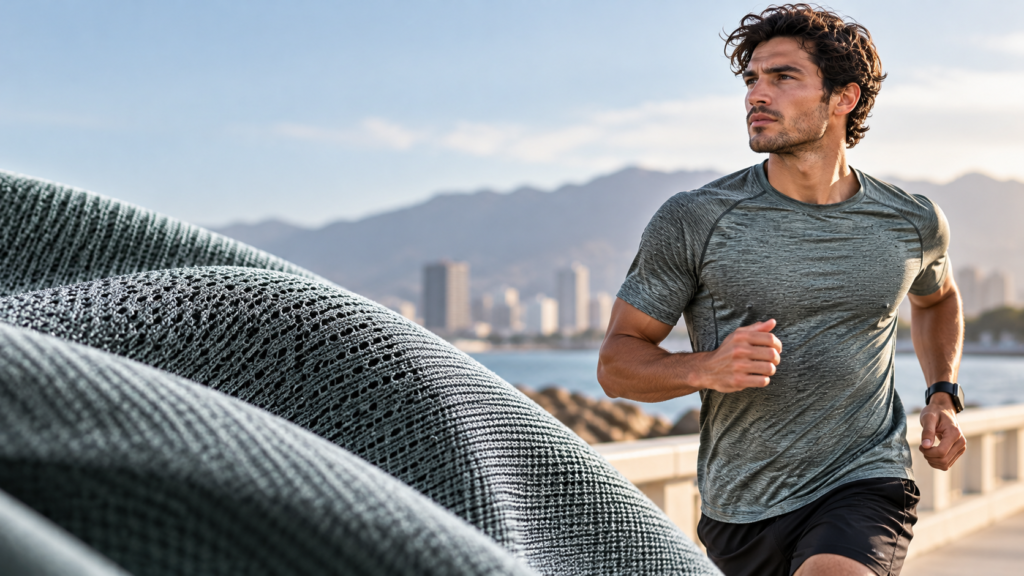
Alpaca wool’s combination of breathability, moisture management, and heat retention makes it useful for outdoor clothing.
Hiking socks, fleece garments, and other outdoor apparel can benefit from alpaca fiber because it can provide warmth without requiring a particularly heavy fabric.
Home Textiles
Alpaca wool is also used for:
- Blankets
- Sheets
- Rugs
- Mats
- Fine bedding
Toys and Decorative Products
The fiber can also be made into dolls, toys, and other decorative products.

Where Is Alpaca Wool Produced?
Peru is the world’s largest producer and exporter of alpaca fiber. The country has the largest concentration of alpacas and has maintained a long tradition of alpaca breeding and fiber production.
The Peruvian regions of Arequipa, Puno, and Cusco are particularly important to the industry. Arequipa has historically accounted for the overwhelming majority of Peru’s alpaca fiber processing and production.
Peru is also a major exporter of raw and processed alpaca fiber.
Bolivia and Chile are important regional producers as well. Alpacas are also raised in countries such as the United States, Australia, and New Zealand, although production outside South America remains considerably smaller.
The Western textile industry began manufacturing alpaca wool commercially in the 19th century. Alpacas had also been introduced to Europe earlier, following the Spanish conquest of South America.
How Much Does Alpaca Wool Fabric Cost?
Alpaca wool prices vary significantly depending on fiber quality.
High-quality alpaca fiber can sell for approximately $2–$4 per ounce, while average wholesale prices can be around $0.50–$0.75 per ounce. Actual prices vary depending on market conditions, processing, and fiber characteristics.
Several factors influence the price:
- Fiber diameter
- Animal age
- Breed
- Fiber quality
- Natural color
- Processing method
- Yarn construction
- Finished-product quality
Finer fibers are generally more expensive because they produce softer and more luxurious textiles.
Younger alpacas tend to produce finer fiber, which can make their wool more valuable than wool obtained from older animals.
Natural color can also affect pricing. Certain colors produced by particular alpaca breeds can command higher prices when demand is strong.
Because alpaca fiber is considered a luxury material, finished garments can cost considerably more than comparable products made from standard sheep’s wool.
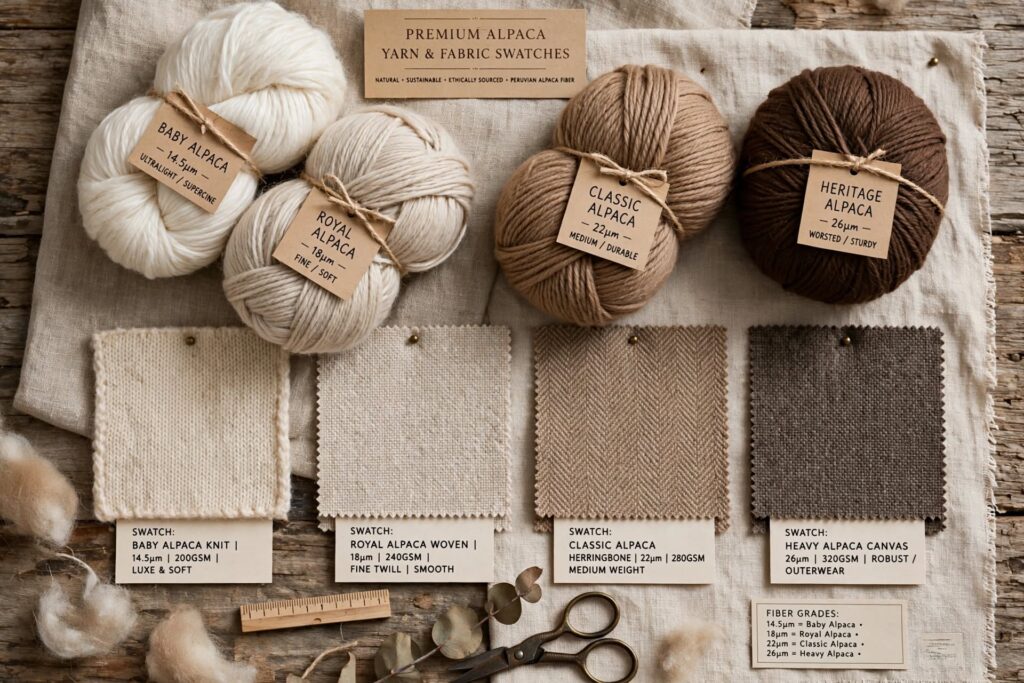
What Different Types of Alpaca Wool Are There?
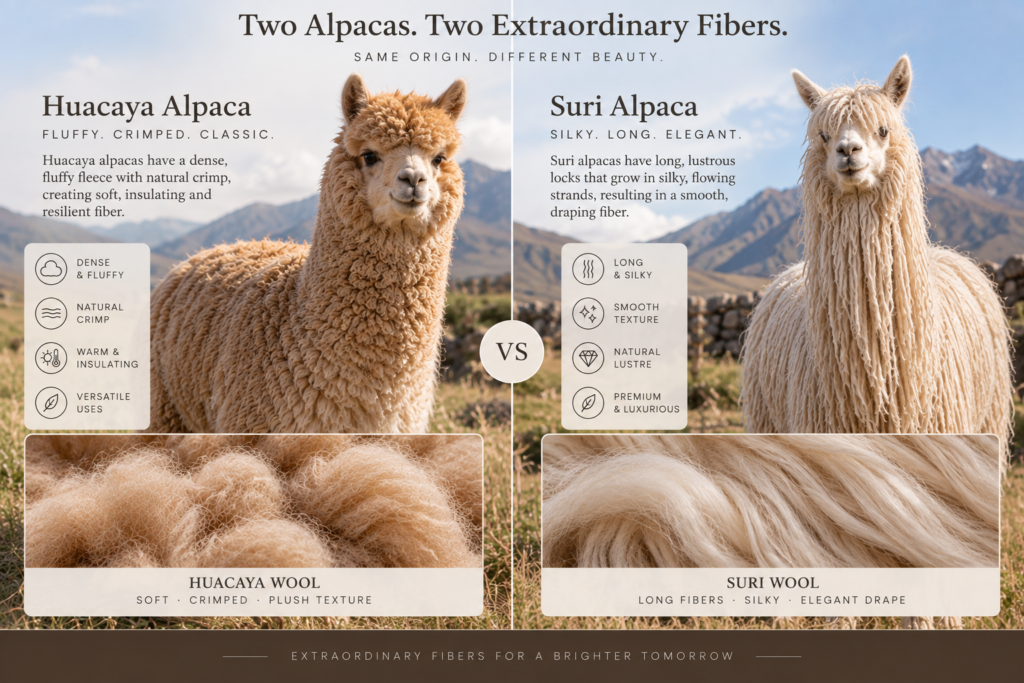
There are two principal types of alpaca wool, based on the two main alpaca breeds.
1. Huacaya Alpaca Wool
Huacaya alpacas have a fluffy, dense appearance and are the more common of the two breeds.
Their wool has a soft, spongy texture and a natural crimp, meaning the fibers develop a gentle wave.
This crimp gives Huacaya wool elasticity and makes it particularly suitable for knitting.
Huacaya wool is commonly used for:
- Sweaters
- Fleece jackets
- Bulky knitwear
- Warm winter garments
Its thicker and more textured structure makes it less suitable when an exceptionally smooth, fine fabric is required.
2. Suri Alpaca Wool
Suri alpacas have long, shaggy coats, and their fibers are finer, straighter, and smoother than those of Huacaya alpacas.
Suri fiber does not have the same natural crimp, making it particularly suitable for weaving.
It can be spun into yarns of different thicknesses and used for:
- Suits
- Dresses
- Shirts
- Fine knitwear
- Luxury garments
Suri wool is especially prized for its softness, breathability, and elegant appearance.
How Does Alpaca Wool Impact the Environment?
Alpaca wool is generally considered a relatively low-impact natural fiber, particularly because alpaca production remains much smaller in scale than many mainstream textile industries.
Natural and Biodegradable
Alpaca wool is a natural animal fiber and is biodegradable under suitable conditions. Unlike many synthetic fibers, it does not rely on petroleum-based raw materials and can eventually break down after disposal.
Traditional Production
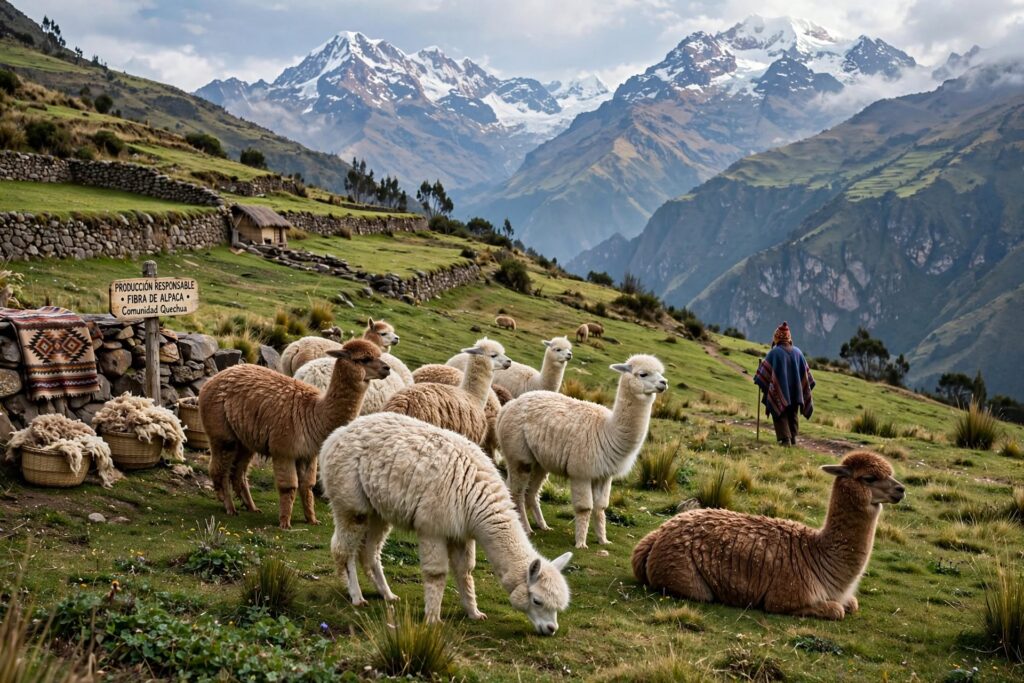
A significant amount of alpaca fiber production in South America continues to use traditional methods.
Indigenous producers often raise alpacas in ways adapted to local environments rather than using intensive factory-farming systems. The relatively small scale of alpaca production also limits its overall industrial environmental footprint.
Animal Welfare
As with any animal-derived fiber, responsible treatment of animals is important.
Although alpacas are generally raised in relatively low-intensity systems, poor practices can still cause animal-welfare problems. Buyers should therefore look for transparent sourcing and responsible producers.
Processing and Dyeing
The main environmental concerns can arise during washing, dyeing, bleaching, and finishing.
Traditional production methods may use simple plant-based cleaning substances, but industrial processing can involve chemicals and wastewater. Responsible textile manufacturers should manage these substances properly.
Overall, alpaca wool has several environmental advantages, but its sustainability depends on farming, processing, transportation, and manufacturing practices rather than fiber type alone.
Alpaca Wool Certifications Available
Certification can help buyers identify alpaca products that meet defined environmental, social, animal-welfare, or production standards.
World Fair Trade Organization (WFTO)
Alpaca wool products can qualify for World Fair Trade Organization certification when their production meets applicable fair-trade requirements.
These standards consider areas such as:
- Worker welfare
- Environmental responsibility
- Fair production practices
- Responsible treatment of alpacas
USDA Organic
Alpaca wool can also potentially be certified as organic under USDA or other recognized agricultural certification systems when the applicable production requirements are met.
Consumers should check what part of the supply chain the certification covers because an organic claim for the fiber source does not necessarily mean that every stage of textile processing is organic.
When purchasing alpaca wool, it is therefore useful to look beyond general sustainability claims and verify the specific certification and its scope.
Frequently Asked Questions
What is alpaca wool made from?
Alpaca wool is made from the natural fibers that grow on alpacas, particularly Huacaya and Suri alpacas.
Is alpaca wool softer than sheep’s wool?
Yes. Alpaca wool is generally softer than standard sheep’s wool and can also be more durable.
Is alpaca wool warm?
Yes. Alpaca fibers contain tiny air pockets that help provide excellent insulation, making alpaca one of the warmest natural animal fibers.
Is alpaca wool breathable?
Yes. Alpaca wool has high breathability and moisture-wicking properties, which help make it comfortable across different conditions.
Is alpaca wool hypoallergenic?
Alpaca wool does not contain lanolin, which is found in sheep’s wool. This makes it a potentially suitable alternative for people sensitive to lanolin, although individual allergies can still vary.
Is alpaca wool expensive?
Yes. Alpaca is generally considered a luxury fiber, and fine, high-quality alpaca wool can be considerably more expensive than standard sheep’s wool.
What is the difference between Huacaya and Suri alpaca wool?
Huacaya wool has a fluffy, crimped texture and is well suited to knitting. Suri wool is longer, straighter, finer, and particularly suitable for weaving and luxury garments.
Is alpaca wool sustainable?
Alpaca wool is a natural and biodegradable fiber and is often produced using relatively low-impact traditional methods. However, its overall environmental impact depends on animal care, farming, processing, dyeing, and transportation.
Where does most alpaca wool come from?
Peru is the world’s largest producer and exporter of alpaca fiber, followed by smaller production in countries such as Bolivia and Chile.
How should alpaca wool fabric be washed?
Always follow the garment’s care label. Gentle washing with appropriate water temperatures and careful handling is generally recommended to protect the fibers.