When rain, wind and strenuous activity come together, clothing needs to do more than simply keep water out. It also needs to let excess body heat and moisture escape. eVent fabric was developed for this challenge, offering waterproof protection and breathability for outdoor clothing, footwear and specialist equipment.
The technology is particularly relevant to hikers, climbers, cyclists and other people who spend extended periods outdoors. During intense activity, sweat can build up inside a waterproof jacket, making the wearer feel damp even when rain never reaches the skin. A breathable membrane helps reduce this problem by allowing water vapour to move away from the body.
Unlike cotton or denim, eVent is not a conventional fabric defined by a particular weave or fiber. It is a branded performance textile technology built around a specialised membrane and combined with suitable face fabrics and other layers. Different constructions are designed for different activities, from lightweight rainwear to more demanding outdoor and professional applications.
Quick Facts About eVent Fabric
| Property | Details |
|---|---|
| Fabric category | Branded waterproof and breathable textile technology |
| Main membrane material | Traditionally expanded polytetrafluoroethylene (ePTFE) in key products |
| Main purpose | Protection against rain and wind while allowing water vapour to escape |
| Common face fabrics | Nylon, polyester and other technical textiles |
| Breathability | Designed for moisture-vapour transmission |
| Stretchability | Usually limited in standard laminates, although stretch versions may be available |
| Common uses | Rain jackets, trousers, footwear, gloves and outdoor equipment |
| Texture | Varies with the outer fabric and laminate construction |
| Care | Depends on the product label; cleaning helps maintain performance |
| Cost | Generally positioned in the technical outdoor textile market |
What Is eVent Fabric?
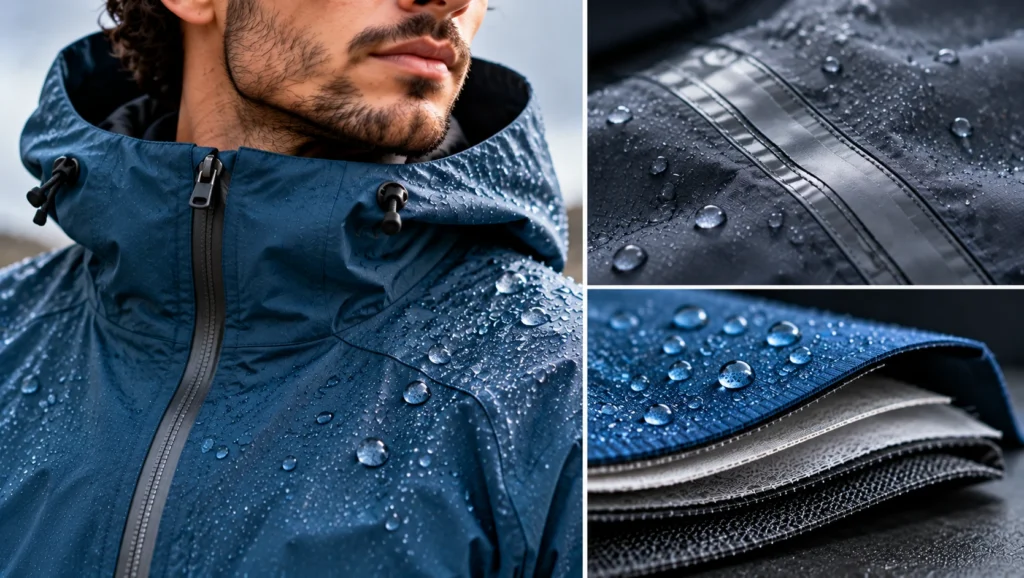
eVent is a branded range of performance textiles developed for waterproofing, wind protection and breathability. The technology is best known for membrane-based fabrics used in outdoor apparel and equipment.
A membrane is a very thin layer incorporated into a larger textile construction. It helps prevent liquid water from passing through while allowing water vapour to escape. In many eVent waterproof products, the membrane is based on expanded polytetrafluoroethylene, commonly called ePTFE.
Some eVent technologies have been designed around what the company calls Direct Venting. The approach aims to allow perspiration vapour to move through the membrane without relying solely on moisture activating a coating. The precise mechanism and performance depend on the product, so it is better not to assume every eVent textile works in exactly the same way.
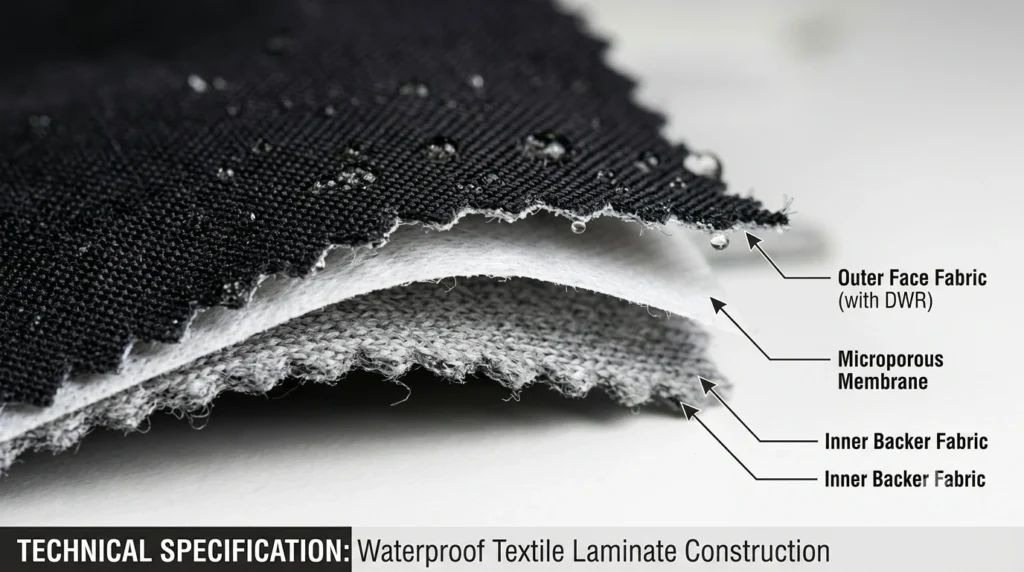
The membrane is only one part of the finished material. An outer fabric helps resist abrasion and sheds water, while an inner layer or protective treatment may be used according to the design. Waterproof clothing also needs appropriate seam sealing and well-designed openings to prevent rain from entering.
This distinction matters when comparing eVent with other waterproof materials. A membrane’s laboratory performance does not tell the whole story about a finished jacket. The fit, ventilation, face fabric, lining, seams and garment design all influence how comfortable and protective it feels in use.
History of eVent Fabric
eVent fabric emerged in the late 1990s as the outdoor industry looked for ways to improve waterproof clothing without making it uncomfortably warm during physical activity. The technology entered the market in 1999 and became known for its focus on breathability alongside waterproof protection.
Its development reflected a growing demand for technical clothing that could cope with changing weather and high levels of exertion. Traditional waterproof garments could keep rain out but sometimes trapped enough perspiration to leave wearers feeling clammy. Breathable membranes offered another way to manage moisture inside clothing.
Over time, eVent technology expanded into different textile constructions and applications. These included rain shells, outdoor trousers, footwear and selected specialist products. Variations were developed to address different needs, including lower weight, wind protection, flexibility and more demanding professional use.
The brand has competed with other established waterproof textile technologies. However, comparisons between them are not always straightforward. Performance can vary with the specific membrane, the test method, the fabric construction and how the garment is maintained.
Today, eVent remains a recognised name in technical textiles. Its relevance lies in the broader challenge that first drove its development: creating clothing that offers reliable weather protection while managing the moisture produced by an active body.
How Is eVent Fabric Made?
The exact manufacturing details vary by product, and proprietary membrane processes are not all publicly disclosed. The general production process for a membrane-based waterproof textile involves several stages.
1. Producing the membrane
For ePTFE-based products, polytetrafluoroethylene is processed and expanded to form a porous membrane. Its structure is designed to resist liquid water while permitting water vapour to pass through under suitable conditions.
The membrane needs to be thin enough for use in clothing but robust enough to survive lamination and everyday wear.
2. Choosing the face fabric
A suitable textile is selected for the outside of the laminate. Nylon and polyester are common choices in technical outdoor products because they can offer useful combinations of strength, weight and abrasion resistance.
The choice of face fabric affects the finished material’s feel, appearance, flexibility and durability. A lightweight shell for fast hiking may use a different textile from a reinforced garment intended for rough conditions.
3. Laminating the layers
The membrane is joined to one or more textile layers to create a laminate. Depending on the design, the construction may include an outer face fabric and a protective inner layer or backing.
The bonding process must preserve the membrane’s performance while producing a stable material that can be cut and sewn.
4. Making the garment or product
The laminated fabric is cut and assembled into jackets, trousers, footwear or other equipment. Design details are important at this stage. Stitching, zippers, pockets and openings can all become routes for water if they are not properly designed.
Waterproof garments commonly use sealed seams and carefully selected closures to improve protection.
5. Applying or maintaining water-repellent finishes
Many waterproof shells use a durable water-repellent finish, often called DWR, on the outer textile. This helps water bead on the surface rather than soaking into the face fabric.
DWR is not the same as the waterproof membrane. If the outer textile becomes saturated, the garment may feel colder and its moisture management may become less effective, even if the membrane is still preventing rain from passing through.
6. Testing performance
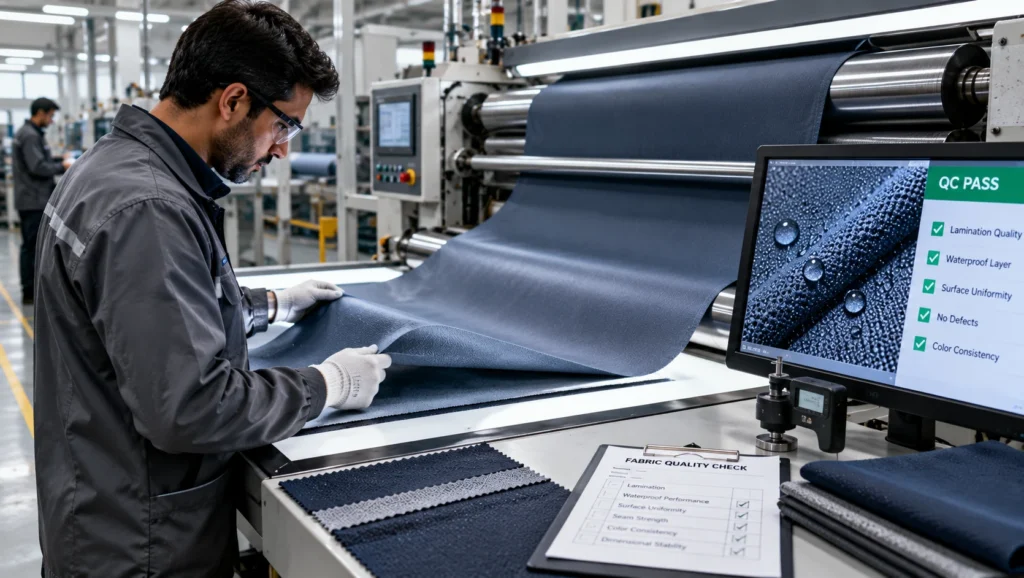
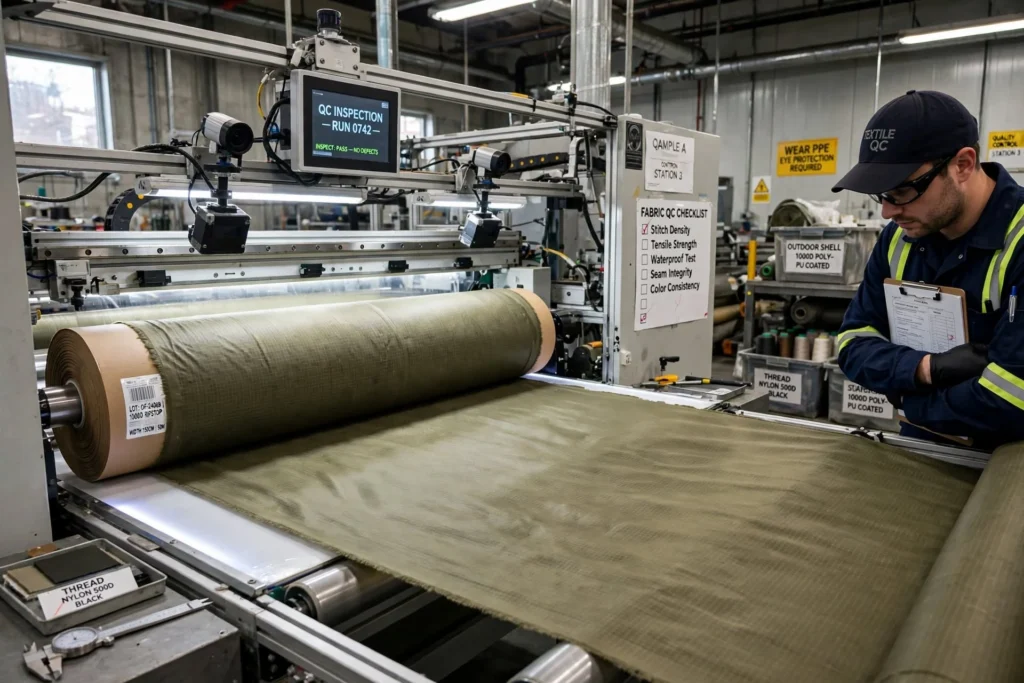
The finished material or garment may be tested for waterproofness, breathability, durability and other requirements relevant to its intended use. Results should be compared only when the products have been tested using comparable methods.
How Is eVent Fabric Used?
eVent technology is mainly associated with outdoor clothing and equipment where rain protection and moisture management are important.
Outdoor jackets and rain shells
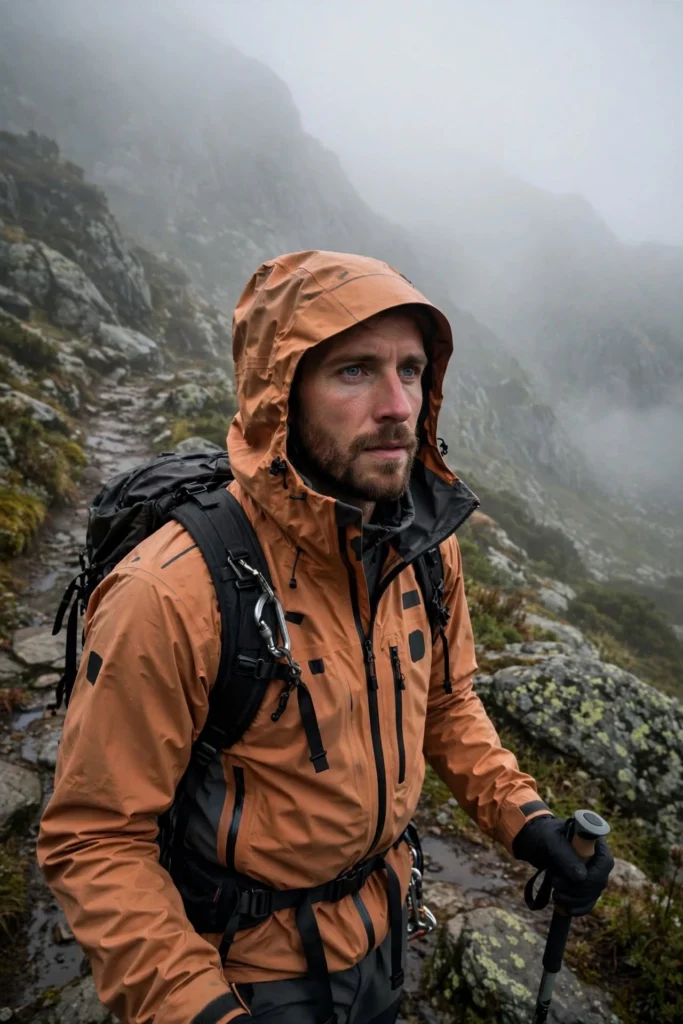
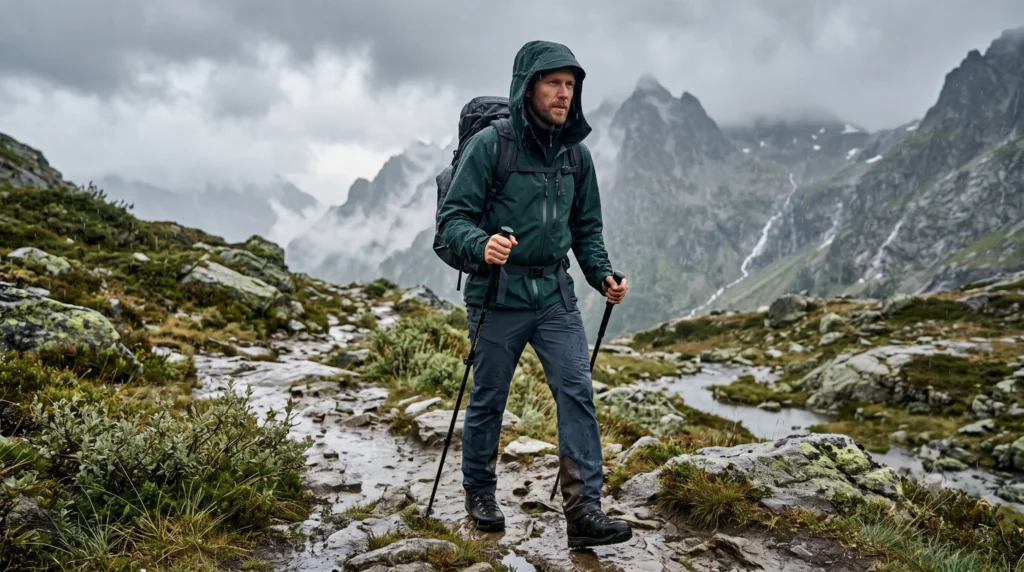
Waterproof jackets are one of the best-known applications. Lightweight shells are useful for hiking, travel and cycling, while more robust versions can be designed for mountaineering and extended exposure to wet weather.
Trousers and overalls
Waterproof trousers help protect against rain, wet ground, snow and damp vegetation. Some specialist garments use membrane technology to provide protection during outdoor work or demanding recreational activities.
Footwear
Membrane-based materials are used in selected hiking boots, walking shoes and other footwear. The membrane is integrated into the shoe’s construction to help prevent external water from entering. Comfort also depends on the fit, lining, socks, ventilation and the way the footwear is assembled.
Gloves
Waterproof gloves need to keep out moisture while allowing enough flexibility for handling equipment. Technical membranes can help with this balance, although warmth and dexterity depend on the full glove design.
Tents and outdoor equipment
Some membrane-based technical textiles are suitable for specialist outdoor equipment. Depending on the product, applications may include protective covers and other gear exposed to rain or wind. Not every eVent textile is designed for every type of equipment, so product specifications should guide selection.
Professional and protective clothing
Selected technical fabrics are used in workwear and specialist applications where weather protection is important. The right material depends on the actual work environment and any required safety standards. A waterproof membrane should not be assumed to provide protection from every industrial hazard.
Where Is eVent Fabric Produced?
eVent is a proprietary textile brand, and its supply chain can involve membrane technology, textile lamination, fabric finishing and finished-product manufacturing. These stages do not necessarily take place in the same country.
The country where a garment is assembled may differ from the location where its membrane or face fabric was produced. Manufacturing arrangements can also change over time, so a single country should not be assumed to represent every eVent product.
For buyers, the most useful details are the fabric’s technical specifications, the intended application, the manufacturer’s quality controls and the finished product’s care and warranty information.
Brands and manufacturers sourcing eVent materials should consult the current product documentation and authorised supply channels for accurate information about origin, availability and technical performance.
How Much Does eVent Fabric Cost?
eVent fabrics sit within the specialised performance textile market. They are generally more expensive than ordinary clothing materials because their production involves engineered membranes, lamination, technical testing and additional garment construction requirements.
The cost varies by product. A lightweight rain shell, a reinforced mountaineering jacket and waterproof footwear may use different materials and manufacturing methods, so their prices cannot be compared on the membrane alone.
Several factors influence the cost:
- Membrane and fabric construction: Different constructions are designed for different levels of protection, comfort and durability.
- Weight and strength: Lightweight fabrics can require specialised design choices, while tougher face fabrics may add material and manufacturing costs.
- Intended activity: Equipment for demanding outdoor use may require more advanced construction and testing.
- Garment details: Seam sealing, waterproof closures, adjustable hoods and reinforcement add complexity.
- Supply and availability: Pricing can change with sourcing arrangements, order volume and the availability of a specific product.
For consumers, it is usually more useful to compare finished garments by performance, comfort, durability, fit and warranty than to compare fabric prices in isolation.
For clothing brands and manufacturers, current prices and minimum order quantities should be confirmed directly with an authorised supplier. Technical specifications and availability can differ across product lines.
What Different Types of eVent Fabric Are There?
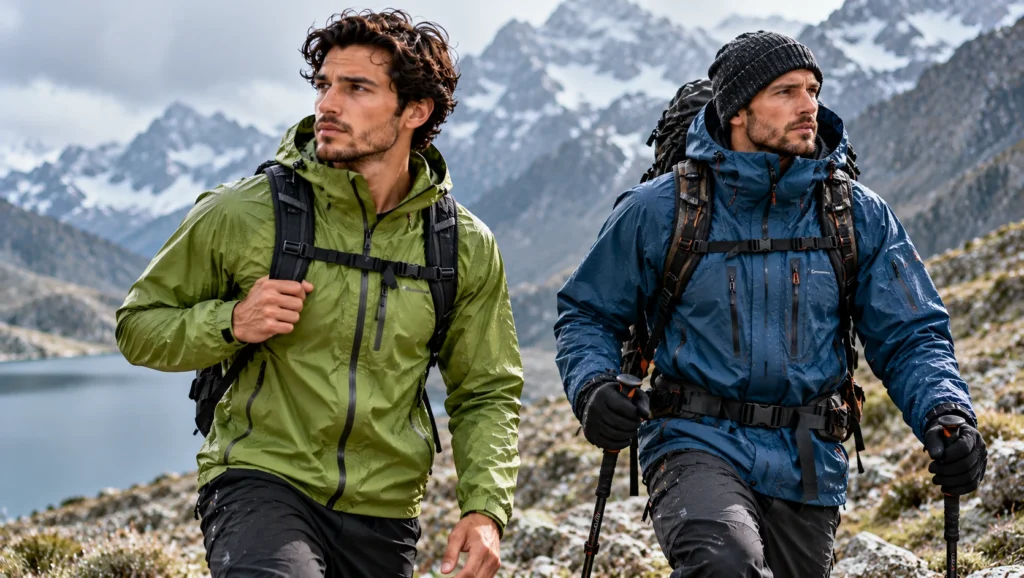
The eVent name covers several performance textile technologies rather than one universal fabric. Product names and availability may change, so it is best to identify a material by its current technical specifications and intended application.
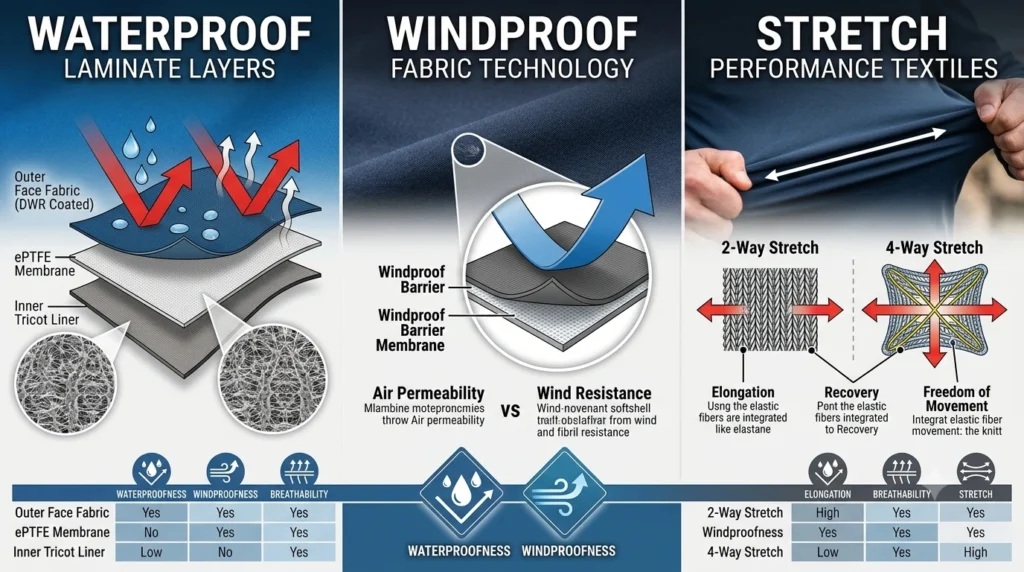
1. Waterproof and breathable fabrics
These fabrics are designed to resist external water while allowing perspiration vapour to escape. They are commonly used in rain shells, outdoor trousers and other weather-protective garments.
The balance between waterproofness and breathability depends on the membrane, laminate construction and testing method.
2. Lightweight waterproof fabrics
Lightweight constructions are intended for activities where low weight and packability matter. They can be useful for hiking, trail activities and travel, particularly when a shell needs to fit into a small bag.
Lighter materials may involve trade-offs in abrasion resistance, feel or long-term durability, depending on the construction.
3. More durable outdoor laminates
Some constructions prioritise resistance to repeated wear and rough use. They may use stronger face fabrics or protective backing layers and are suited to garments expected to face demanding outdoor conditions.
The extra protection can come with greater weight or a less supple feel.
4. Windproof textiles
Windproof materials are designed to reduce the passage of air through the fabric. They can be useful for cycling, hiking and other activities where wind chill is a concern.
A windproof textile is not automatically waterproof. The product specifications should state whether it is intended to resist rain or primarily to block wind.
5. Stretch performance fabrics
Some technical textile designs combine weather protection with stretch or flexibility. These can be useful in close-fitting sportswear or clothing that needs to accommodate a wide range of movement.
Stretch performance depends on the complete textile construction, not just the membrane.
6. Footwear membranes
Footwear-specific constructions are developed for integration into shoes and boots. They must work with the footwear’s lining, seams, upper materials and overall shape. A membrane that performs well in a jacket is not necessarily suitable for footwear without changes to the construction.
7. Specialist professional fabrics
Technical membranes may also be used in selected professional applications, including outdoor workwear and specialist protective equipment. The appropriate product depends on the conditions in which it will be worn and any applicable safety requirements.
When choosing eVent products, do not rely on a product name alone. Confirm the intended use, waterproof rating, breathability test method, construction and care instructions before making a comparison.
How Does eVent Fabric Impact the Environment?
The environmental impact of eVent fabric depends on the membrane chemistry, the textile layers, the finishing treatments, manufacturing processes and the product’s useful life. Its technical performance can be valuable, but waterproofing and breathability do not automatically make a textile environmentally friendly.
Synthetic polymer production
Many eVent waterproof fabrics use ePTFE-based membrane technology. PTFE is a synthetic fluoropolymer made through industrial processes that require energy and chemical inputs. The outer fabric and lining may also be made from synthetic fibers such as nylon or polyester.
The environmental footprint therefore depends on the complete material system, not simply on the membrane.
PFAS and chemical management
Some fluorinated materials are associated with wider environmental concerns involving PFAS, a large family of substances with different properties. The presence and type of fluorinated chemistry can vary between membranes, water-repellent finishes and product generations.
It is important not to treat all PFAS as identical or to assume every eVent product has the same chemical composition. Buyers who are concerned about these issues should look for product-specific information about the membrane and the DWR finish, including whether intentionally added PFAS are used.
Water-repellent finishes
DWR treatments help the outer face fabric shed water. Their chemistry varies, and the finish can lose effectiveness through wear, dirt and repeated washing. Reapplying a treatment may be recommended for some garments, but the chosen product should be compatible with the manufacturer’s care guidance.
Synthetic fiber shedding and disposal
Where the outer fabric or lining contains synthetic fibers, wear and washing may release small fibers. Laminated textiles can also be difficult to separate into individual material streams, which may limit recycling options.
Durability and repair
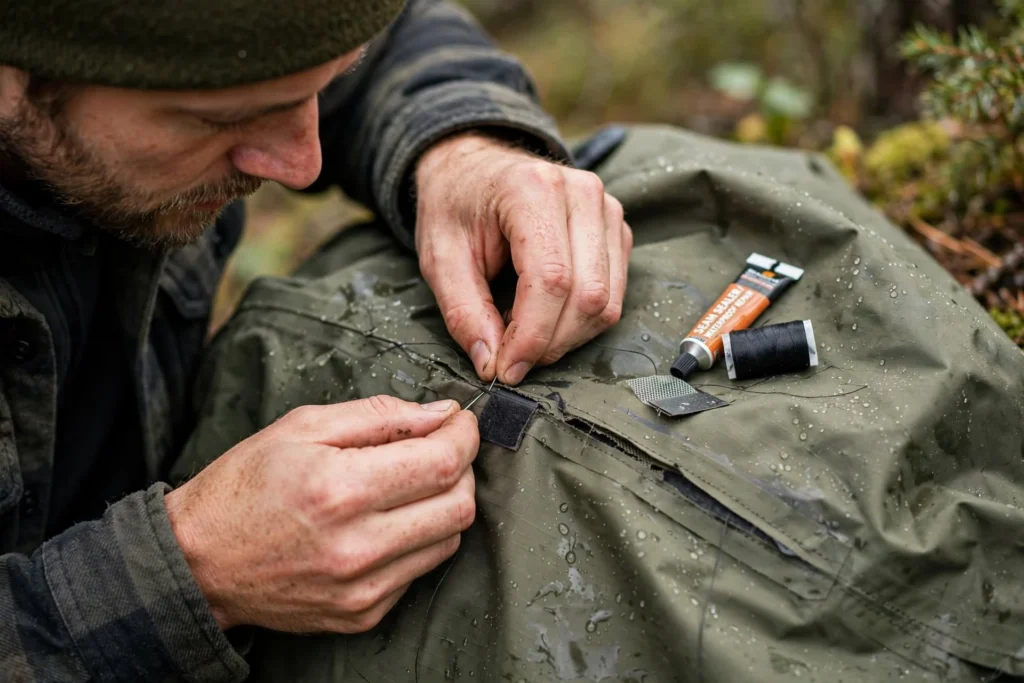
A well-made waterproof garment may remain useful for years if it is cared for correctly. Washing away dirt and body oils, restoring the outer water-repellent finish when needed and repairing damage can help extend its service life.
Using a garment for longer can reduce the need to replace it, although the overall environmental benefit depends on the materials, production and how the garment is used.
A balanced view
eVent can provide practical protection for people who spend time in wet and windy conditions. Its environmental impact should be assessed product by product, with attention to membrane chemistry, face-fabric content, finishing treatments, durability and end-of-life options. A high-performance textile is not automatically a low-impact textile, and a chemical or recycled-content claim should be checked against the exact product.
eVent Fabric Certifications Available
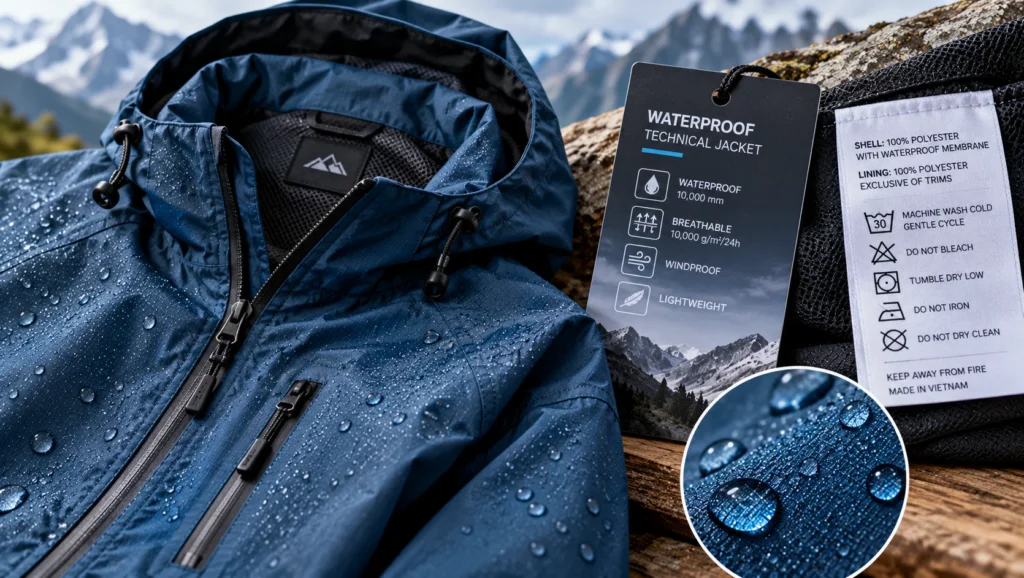
Certification can help buyers understand certain aspects of a textile’s chemical safety, manufacturing practices or performance. However, not every certification applies to every fabric, and a test result for a membrane is not the same as certification of a finished garment.
Depending on the product and its supply chain, relevant standards may include:
- OEKO-TEX® STANDARD 100: Tests textile products and components for specified harmful substances under its criteria. Eligibility depends on the product and the scope of certification.
- bluesign®: Focuses on chemical management and environmental and worker-safety considerations in textile production. Its application depends on the participating materials, processes and facilities.
- Global Recycled Standard (GRS): Verifies recycled content and supply-chain tracking for products that meet the standard’s requirements.
- Product performance testing: Waterproofness, breathability and durability can be assessed through relevant test methods. These results describe performance, but they should not be presented as an environmental or chemical-safety certification.
Before relying on a certification claim, check the certificate holder, the product or component covered, its validity and the exact criteria assessed. Do not assume that every eVent fabric or finished garment carries the same certification.
Frequently Asked Questions About eVent Fabric
Is eVent fabric waterproof?
eVent waterproof fabrics are designed to resist rain and external moisture. The protection of a finished garment also depends on seam sealing, closures, fabric condition and overall construction.
Is eVent fabric breathable?
Yes. Its waterproof textile technologies are designed to allow water vapour to escape. Actual comfort depends on the specific product, activity level, temperature, humidity and the clothing worn underneath.
What is the difference between eVent and GORE-TEX?
Both brands offer waterproof and breathable textile technologies, but their constructions and product ranges can differ. The best choice depends on the specific membrane, face fabric, garment design, performance testing, care requirements and price. There is no universal winner for every activity.
Is eVent fabric made from natural fibers?
No. The membrane in many well-known eVent waterproof products is based on ePTFE, a synthetic polymer. The textile layers are commonly made from synthetic fibers such as nylon or polyester.
Does eVent fabric block wind?
Many eVent waterproof constructions also provide wind protection. However, not every textile in a brand’s range is intended for the same purpose, so check the exact product specifications.
Can eVent clothing be machine-washed?
Many garments made with eVent technology can be machine-washed, but care instructions vary. Follow the garment label, use a suitable detergent and avoid fabric softeners or other products that the manufacturer advises against. Cleaning can help remove oils and dirt that affect the outer fabric’s water repellency.
Does eVent fabric need DWR treatment?
Some eVent garments use a durable water-repellent finish on the outer fabric. If water stops beading and begins soaking into the face fabric, cleaning and, when recommended, reapplying a compatible treatment may help restore performance. DWR does not replace the waterproof membrane.
Is eVent fabric stretchy?
Standard waterproof laminates generally have limited stretch. Some specialised constructions incorporate stretch materials to improve mobility. Check the fabric or garment specifications if flexibility is important.
Is eVent fabric environmentally friendly?
It depends on the particular product and what is being measured. Membrane chemistry, textile fibers, finishing treatments, manufacturing, durability and disposal all contribute to environmental impact. The technology offers useful weather protection, but that alone does not make it environmentally friendly.
How long does eVent clothing last?
There is no single lifespan for all eVent garments. The quality of the garment, frequency of use, abrasion, washing, storage and repairs all affect longevity. Regular care and prompt repairs can help preserve performance.
Is eVent fabric suitable for everyday wear?
Yes, if the garment’s design suits the conditions. A waterproof shell can be useful for commuting and travel in wet weather, while lighter or less technical rainwear may be sufficient for occasional use. The main advantages of eVent are most relevant when dependable weather protection and moisture management are priorities.