Trying to find the single best men’s clothing brand is usually the wrong starting point.
One brand might make excellent everyday basics but offer little worth buying when you need a suit. Another may be excellent at denim but have almost nothing to say about sportswear. Some brands are built around timeless pieces, while others exist largely to keep up with whatever silhouette is gaining attention that season.
That’s why a good men’s wardrobe rarely comes from one label.
In 2026, menswear is also operating across a wider range of situations than it used to. Workwear, casualwear, tailoring, sportswear, and athleisure increasingly overlap, while comfort has become a much bigger part of how men think about getting dressed.
The result is a market where different brands serve very different purposes.
This guide looks at ten men’s clothing brands across budgets and styles, focusing on what each one does particularly well. The goal isn’t to crown one overall winner. It’s to help you understand where each brand fits and where it makes sense to spend your money.
1. Zara
Zara has built its reputation around speed.
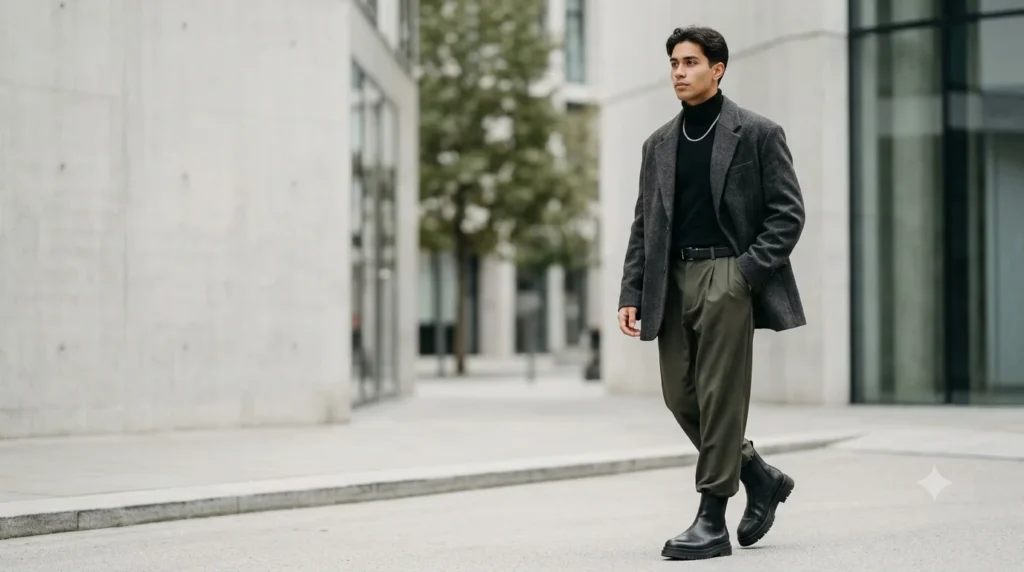
The brand is particularly good at translating current fashion trends into accessible clothing quickly, allowing men to experiment with new silhouettes without committing to a designer-level price tag.
That makes Zara useful when you want your wardrobe to feel current. Maybe trousers are getting wider, a particular jacket shape is having a moment, or a new color is suddenly everywhere. Zara is often among the retailers that can get those ideas onto the shop floor quickly.
But the brand has become more than a source of trend-driven casualwear.
Its formalwear offering has received more attention, with blazers, trousers, and lighter suiting giving men more options when they want something sharper without moving into traditional premium tailoring.
The limitation is longevity.
Zara makes the most sense when you’re buying into a current look or filling a temporary gap rather than expecting every piece to become a ten-year wardrobe staple. For accessible, trend-conscious menswear, however, it remains a useful place to look.
2. H&M
H&M has stayed relevant in budget fashion partly because it keeps the fundamentals accessible.
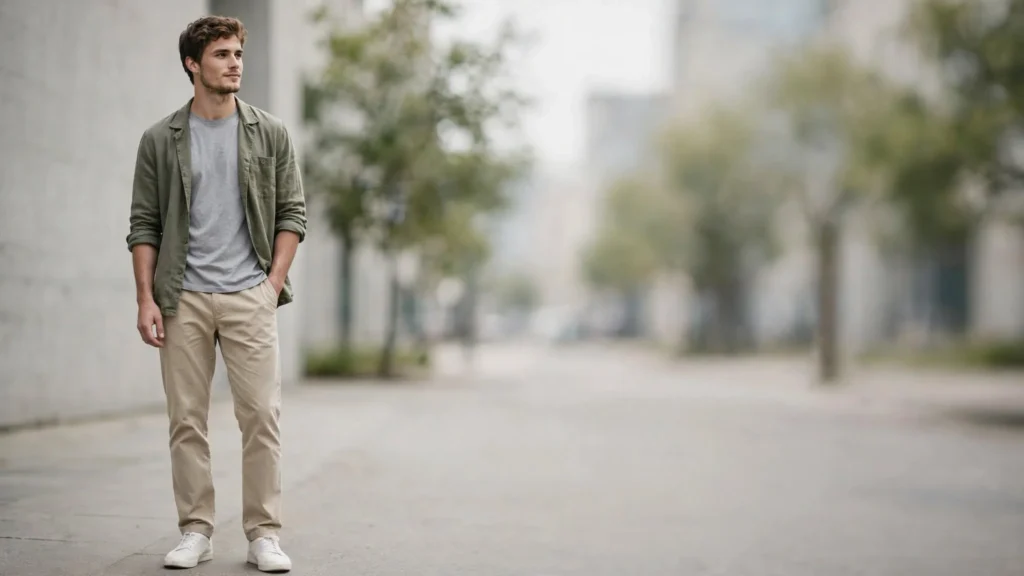
T-shirts, sweaters, basic denim, and layering pieces make up much of the brand’s practical appeal. These aren’t necessarily the items you buy because they’re going to become the centerpiece of an outfit. They’re the things you need in multiples and don’t want to spend too much time thinking about.
That can be surprisingly valuable.
If you’re building a capsule wardrobe on a tight budget, H&M can help fill in the gaps quickly. Its broad range of styles and sizes also makes it easier to find everyday pieces across different fits.
The brand isn’t trying to win the premium-fabric or high-end tailoring conversation, and that’s fine. Its strength is accessibility.
Five plain T-shirts, a few sweaters, and some straightforward layering pieces can form the backbone of a wardrobe without requiring a major financial commitment.
3. Uniqlo
Uniqlo takes a very different approach to affordable clothing.
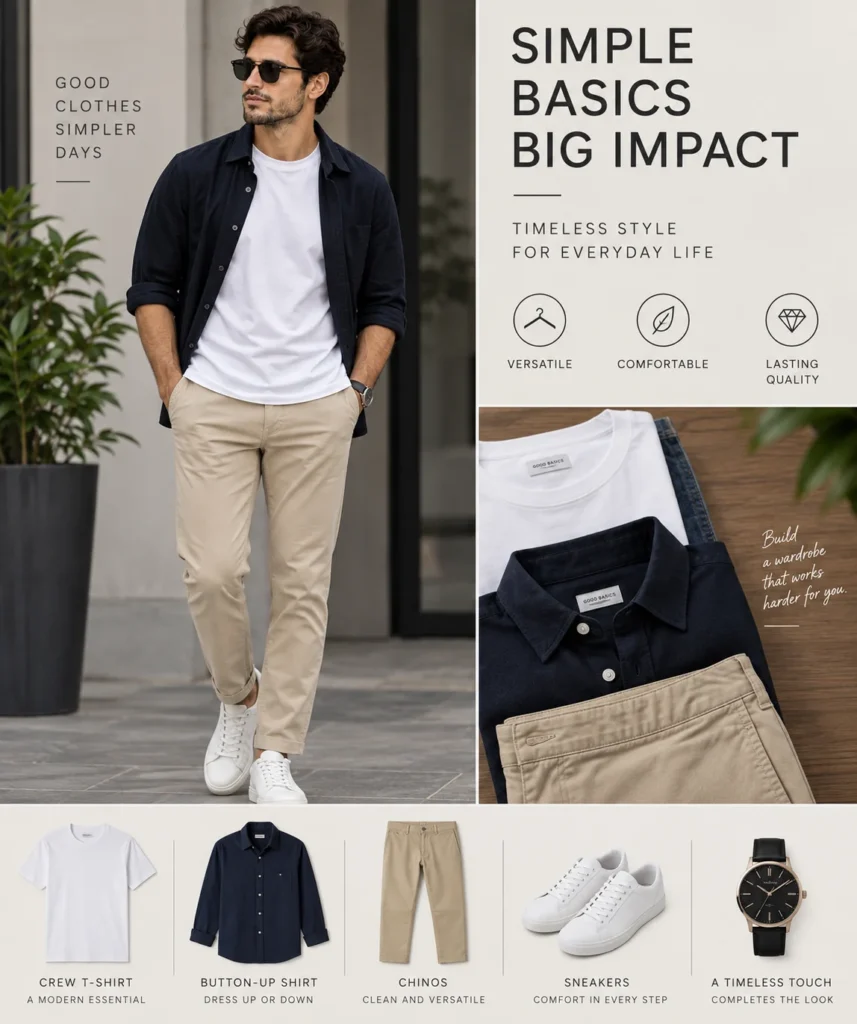
Instead of chasing every seasonal trend, the brand has built its identity around understated basics, functional fabrics, and practical design. That philosophy shows up in products such as Heattech for warmth without excessive bulk and Airism for lightweight breathability.
The result is clothing that tends to work quietly in the background of a wardrobe.
Clean silhouettes, muted colors, and simple designs make Uniqlo pieces easy to combine with clothing from other brands. A T-shirt doesn’t dictate the rest of an outfit. A pair of chinos doesn’t force you into a particular aesthetic.
Fabric technology is another important part of the appeal. The brand has focused heavily on making everyday clothing more functional rather than simply adding decorative details.
For men who want affordable basics that feel considered rather than disposable, Uniqlo occupies a particularly useful part of the market.
It’s less about making a statement and more about making the clothes you reach for repeatedly work better.
4. Levi’s
If one brand is practically synonymous with men’s denim, it’s Levi’s.
The company’s long history in jeans gives it something newer denim labels can’t easily manufacture: familiarity. The 501 remains its most recognizable silhouette, but the brand also offers slimmer, tapered, and more relaxed fits for men who want something different from the traditional straight-leg shape.
That range is important because denim preferences have changed.
Some men still want a classic pair of jeans that looks largely the same year after year. Others want a looser or more contemporary silhouette. Levi’s has enough variety to cover both ends without abandoning its core identity.
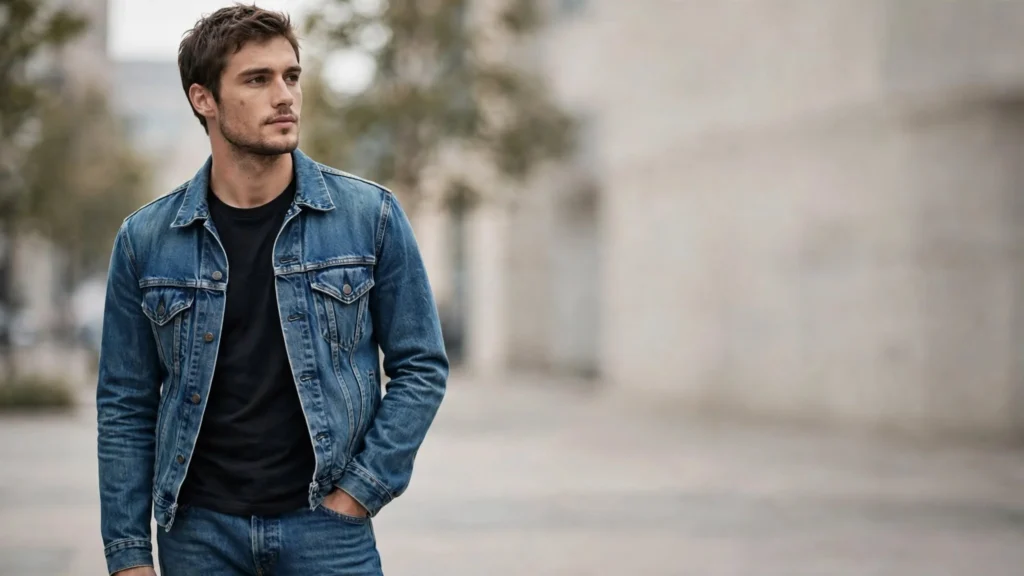
The brand’s denim jackets are also worth considering. Like its jeans, they work as straightforward layering pieces across seasons and different styles.
Levi’s isn’t necessarily the place to go when you’re looking for the most experimental fashion. That’s not really the point.
Its strength is having a long-established denim vocabulary and enough variation within it to suit different wardrobes.
5. Nike
Nike’s influence on men’s clothing has expanded well beyond the gym.
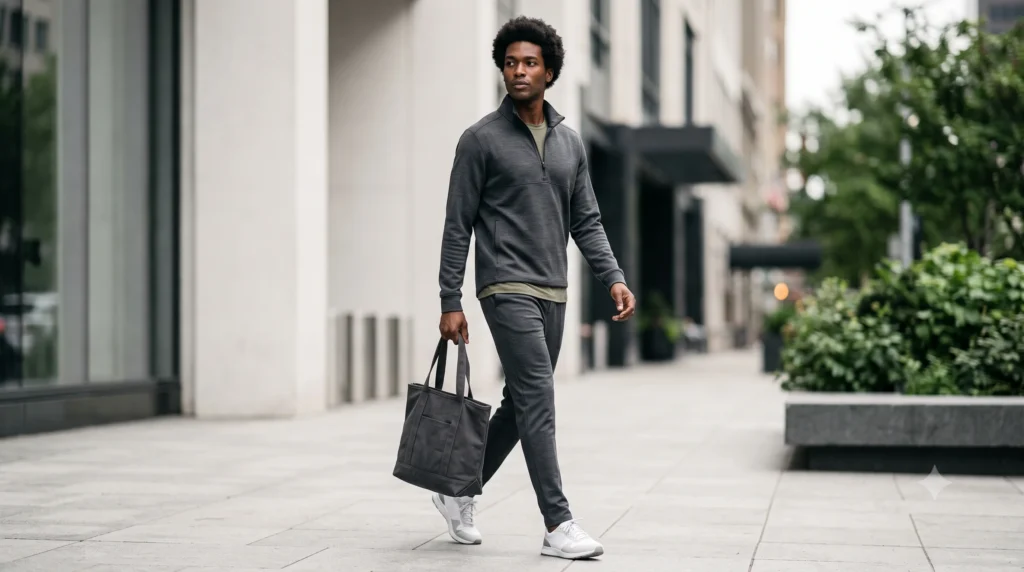
As athleisure has become part of everyday dressing, performance-focused clothing has moved into situations that once would have required more traditional casualwear. Joggers, technical hoodies, breathable tops, and other sportswear pieces are now completely normal outside a workout environment.
Nike is particularly well positioned for that shift because the brand’s clothing is fundamentally engineered around movement and performance.
Cushioning, moisture-wicking materials, breathable construction, stretch, and other technical details are designed for athletes but can be equally useful when you’re simply spending a long day moving around.
A pair of joggers can go from a workout to errands without requiring an entire outfit change. A technical hoodie can work just as naturally for travel or casual weekends.
The difference between Nike and a purely fashion-driven brand is that function remains central to the design.
That doesn’t make the clothes less stylish. It simply means the style often comes from what the garment is designed to do.
6. Ralph Lauren
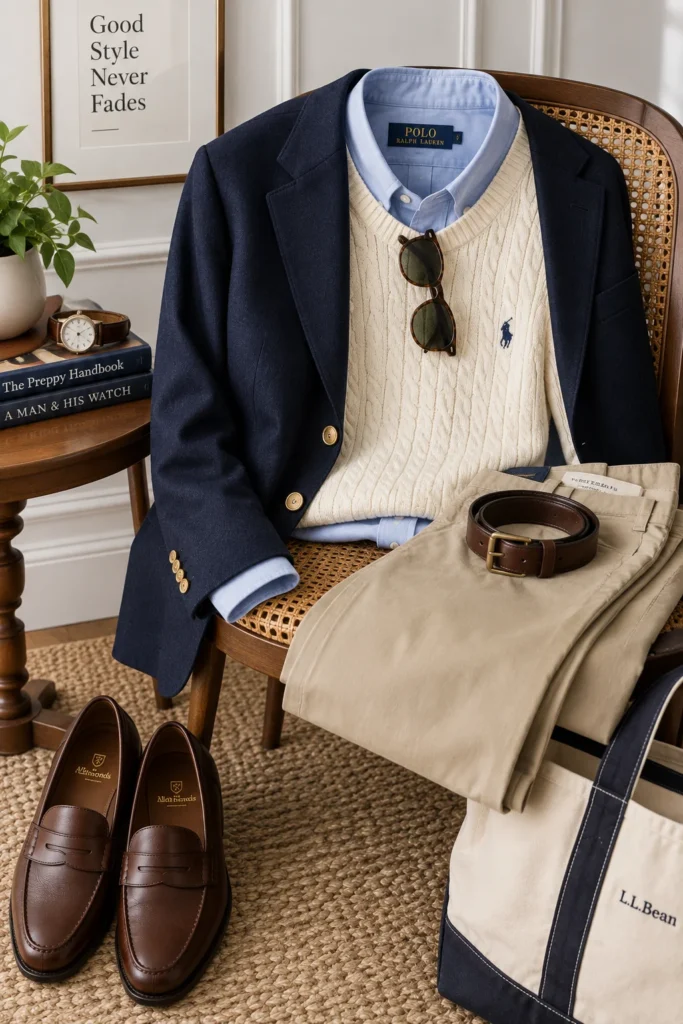
Ralph Lauren has spent decades refining a particular vision of American menswear, and that consistency is a large part of its appeal.
Think polo shirts, Oxford button-downs, quarter-zips, knitwear, tailored trousers, and other pieces that sit comfortably within a classic, preppy wardrobe.
The aesthetic isn’t built around chasing whatever happens to be fashionable for one season. Instead, it relies on familiar shapes and combinations that have remained recognizable for years.
That’s useful if your approach to clothing is more about building a dependable wardrobe than constantly replacing it.
A Ralph Lauren polo can work for a casual office, a weekend lunch, or a more relaxed social setting. A button-down can move between jeans and tailored trousers without feeling out of place.
The brand’s appeal is therefore less about novelty and more about consistency.
If you prefer clothing that looks established rather than experimental, Ralph Lauren provides a clear and recognizable style language.
7. Hugo Boss
Hugo Boss occupies a much more formal position on this list.
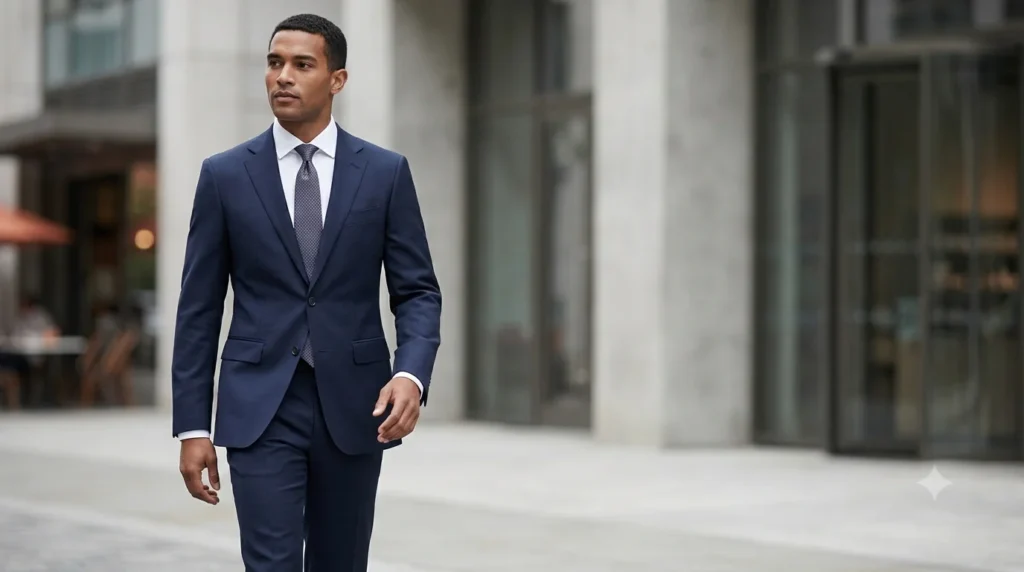
The brand is particularly associated with men’s tailoring, including suits, blazers, and other pieces designed for professional and formal settings. The emphasis is on a sharper silhouette and a more polished overall appearance.
Fabric and construction are important parts of that equation.
The source material highlights higher-grade wool blends and finishing techniques as part of the brand’s tailoring appeal, particularly for men who wear formal clothing regularly rather than only for occasional events.
That distinction matters.
A suit that gets worn repeatedly for client meetings, interviews, business occasions, or formal events needs to maintain its shape and appearance through regular use. For that kind of wardrobe, tailoring quality becomes more important than simply finding the lowest price.
Hugo Boss sits at a premium price point compared with the more accessible brands on this list, but its focus is also more specialized.
If formalwear is a significant part of your wardrobe, that’s where the brand makes the most sense.
8. COS
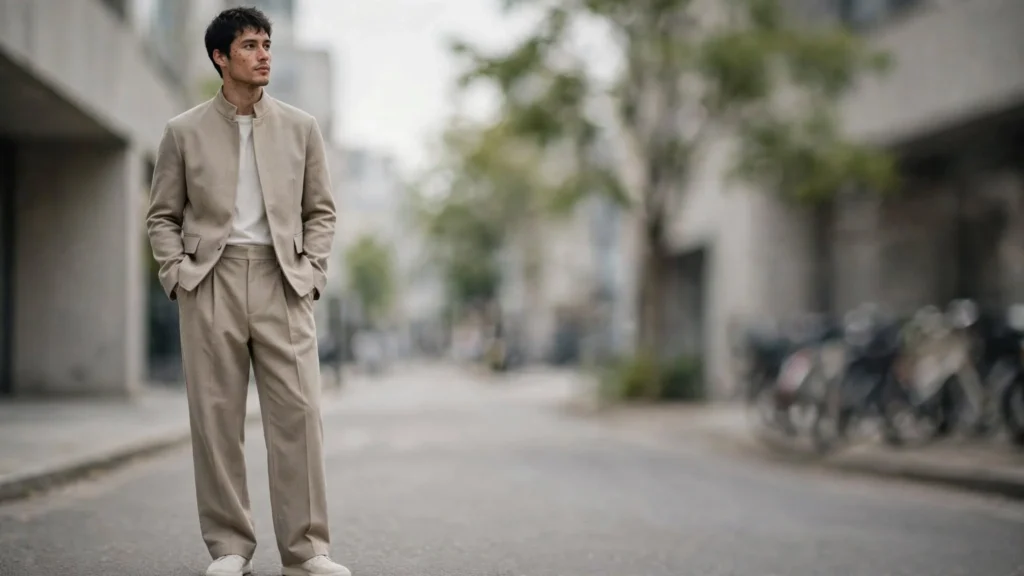
COS sits somewhere between mainstream high-street fashion and luxury, with a design language that is noticeably more architectural than trend-driven.
Structured shoulders, clean seams, restrained detailing, and carefully considered proportions are central to the look. The result is clothing that often appears more expensive than its actual price suggests.
That’s the main reason COS stands out.
A simple wool coat doesn’t need a prominent logo or complicated design to look elevated. A structured button-down can make a relatively straightforward outfit feel more deliberate simply because the cut and proportions have been handled well.
COS is also useful for men who prefer understated clothing. It doesn’t rely heavily on obvious branding or flashy seasonal details.
The pricing sits above typical high-street fashion but below traditional designer territory, making it an interesting option for someone trying to upgrade the visual quality of a wardrobe without making the jump to luxury pricing.
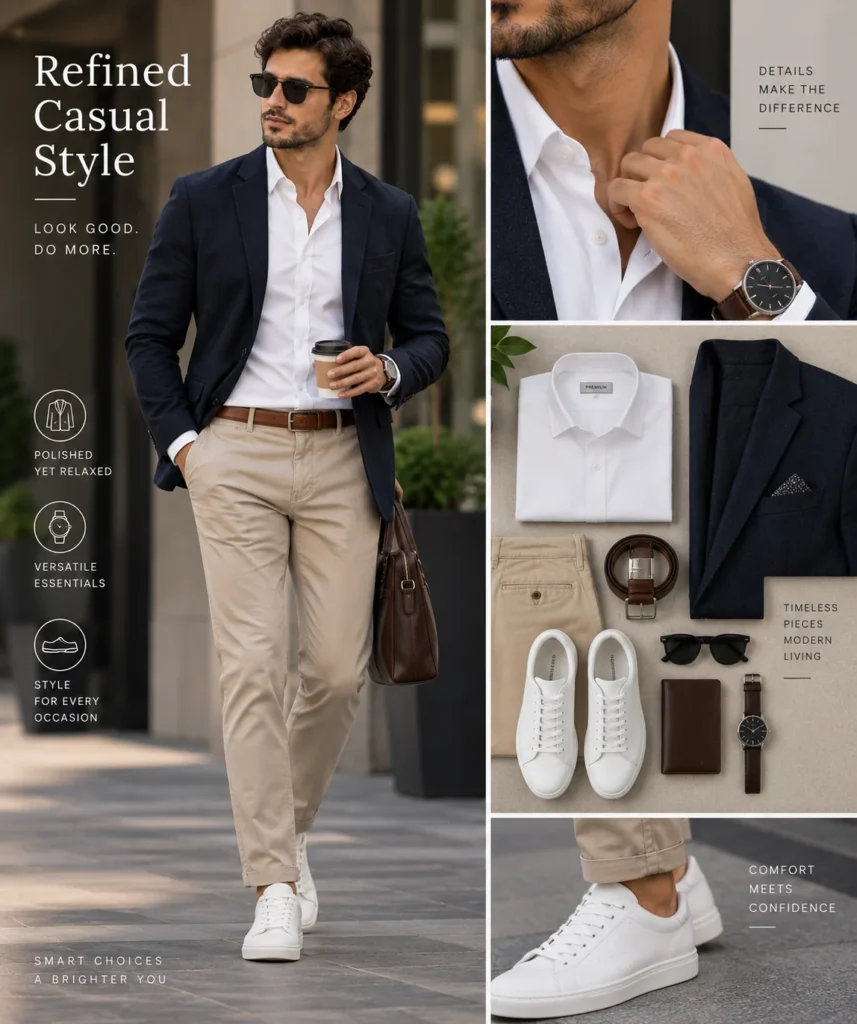
9. Massimo Dutti
Massimo Dutti is one of the quieter names on this list, but that can actually be part of its appeal.
The brand focuses heavily on refined basics and classic silhouettes, with tailored trousers, knitwear, and shirts forming much of its wardrobe proposition. Compared with more budget-oriented retailers, the difference is often felt in the materials and overall construction.
It isn’t a brand built around dramatic trend cycles.
Instead, Massimo Dutti takes familiar pieces and gives them a slightly more elevated treatment. That makes it useful for men who want their everyday wardrobe to feel polished without looking like they’ve spent hours trying to achieve that effect.
The price sits above typical high-street fashion, but it remains considerably more accessible than designer clothing.
For smart-casual dressing in particular, Massimo Dutti fills a useful gap between basic retailers and premium labels.
10. Muji
Muji takes almost the opposite approach to trend-driven fashion.
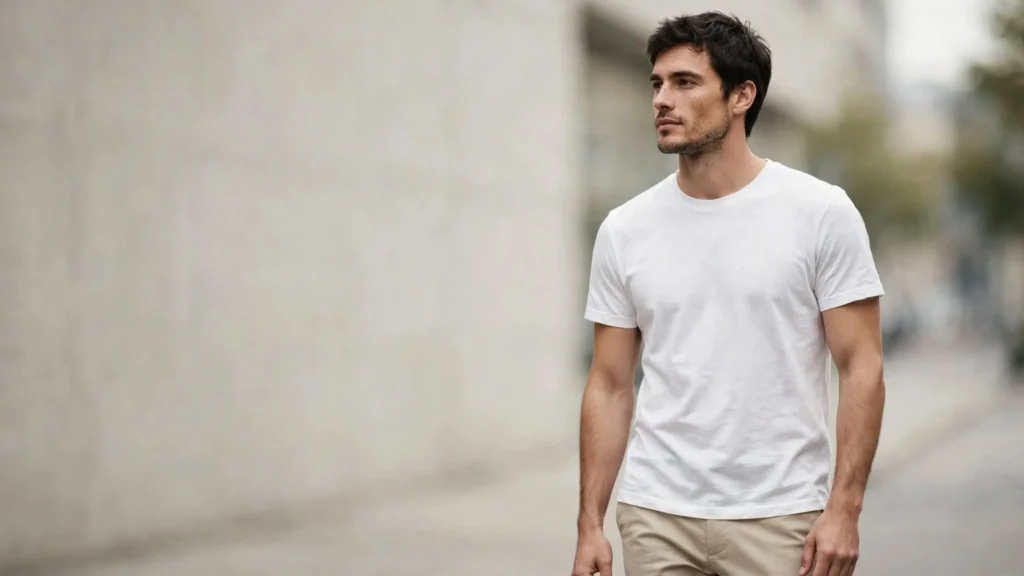
There are no loud logos competing for attention and very little interest in seasonal must-have pieces. The brand’s philosophy is built around simplicity, function, and understated design.
That makes Muji particularly appealing to men who want their clothes to quietly fit into a wardrobe rather than announce where they came from.
A Muji T-shirt or pair of trousers isn’t supposed to become the focal point of an outfit. It’s supposed to work.
The no-logo approach also gives the clothing considerable flexibility. Pieces can be combined with denim, tailoring, sportswear, or other minimalist basics without creating a clash of branding.
For men who are tired of constantly changing trend cycles, Muji offers a slower and quieter alternative: fewer obvious statements, fewer distractions, and more emphasis on useful everyday clothing.
That philosophy won’t suit everyone, but for a minimalist wardrobe, it makes considerable sense.
Building a Wardrobe That Works for You
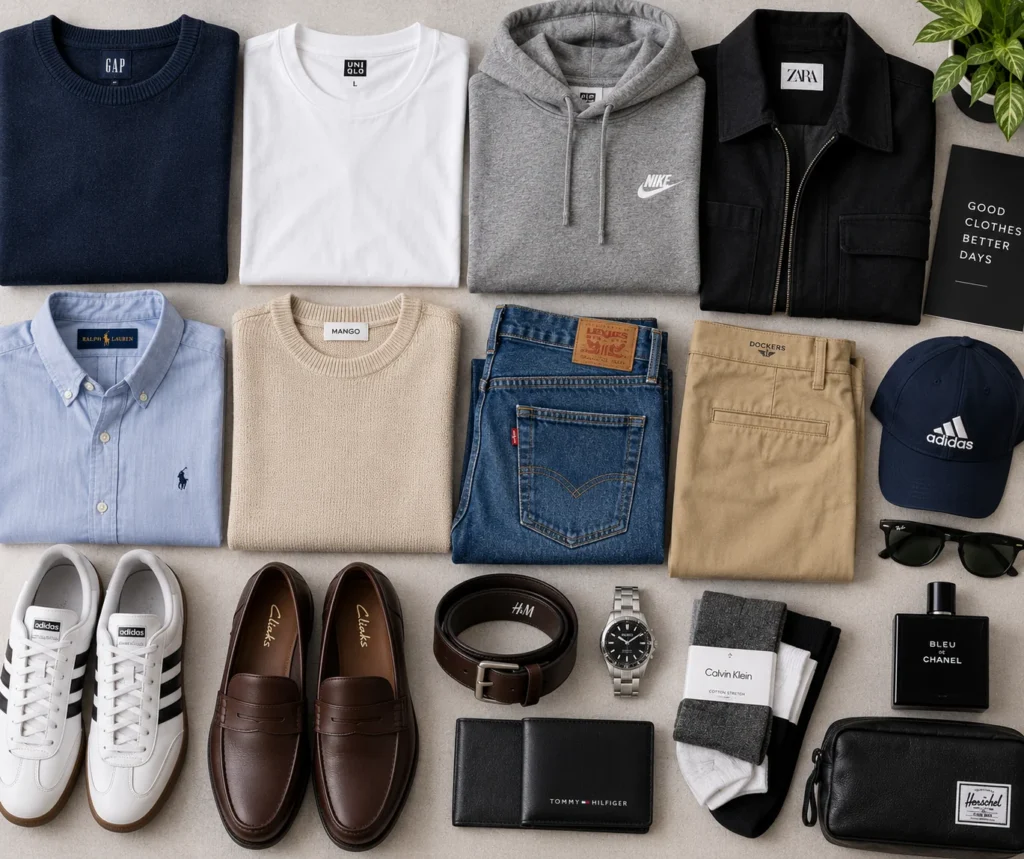
The biggest takeaway from these ten brands is that you don’t need to find one label that does everything.
In fact, trying to do so usually creates unnecessary compromises.
Uniqlo and Muji make sense when you’re looking for understated basics. Levi’s has a long-established position in denim. Nike is built around performance and athleisure. Ralph Lauren offers a classic, heritage-influenced approach, while Hugo Boss is more focused on formalwear and tailoring.
Those strengths don’t have to compete.
A better approach is to shop by category. Buy basics from a brand that specializes in basics. Buy denim from a denim specialist. Look for tailoring from a brand that puts real emphasis on construction and fit.
Your wardrobe doesn’t need to carry one label from head to toe.
What matters more is whether the individual pieces fit properly, work together, hold up to regular wear, and make sense for the way you actually dress.
That usually leads to a more useful wardrobe than brand loyalty ever will.
For more ideas on putting these pieces together, explore our guides to Men’s Fashion Trends 2026 and Business Casual Outfit Ideas.
Frequently Asked Questions
What is the best men’s clothing brand for everyday basics?
Uniqlo and Muji are strong options for men looking for understated everyday basics, particularly if simple designs and practical fabrics are priorities.
H&M can also make sense when budget is the main consideration and you need straightforward pieces in larger quantities.
Which brand is best for men’s denim?
Levi’s is one of the most established names in men’s denim and offers a broad selection of classic and more contemporary fits.
The 501 remains its most recognizable style, while slimmer, tapered, and relaxed options provide alternatives for different preferences.
What’s a good affordable alternative to luxury menswear brands?
COS and Massimo Dutti both occupy a useful middle ground between conventional high-street fashion and luxury.
They are particularly worth considering if you’re looking for more refined proportions, materials, and construction without moving into full designer pricing.
How do I know if a clothing brand offers good value for the price?
Don’t judge value purely by the price on the label.
Look at the fabric, stitching, seams, construction, fit, and how the garment behaves after repeated washing and wearing. A slightly more expensive item that stays useful for years can provide better value than a cheaper piece that needs replacing quickly.
Durability relative to price is often more revealing than the initial cost.
Is it necessary to shop from multiple brands to build a good wardrobe?
No, but it can make building a well-rounded wardrobe easier.
Most brands have particular strengths. One may be better at basics, another at denim, another at tailoring, and another at sportswear. Combining those strengths allows you to choose clothing based on what the individual piece does well rather than forcing one brand to cover every category.
The result is usually a wardrobe that feels more personal, too.