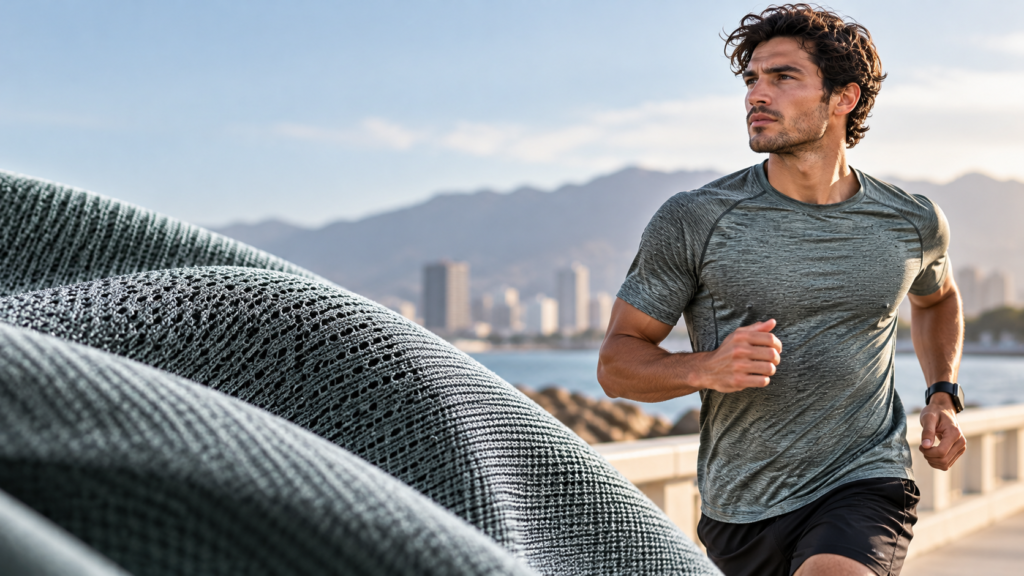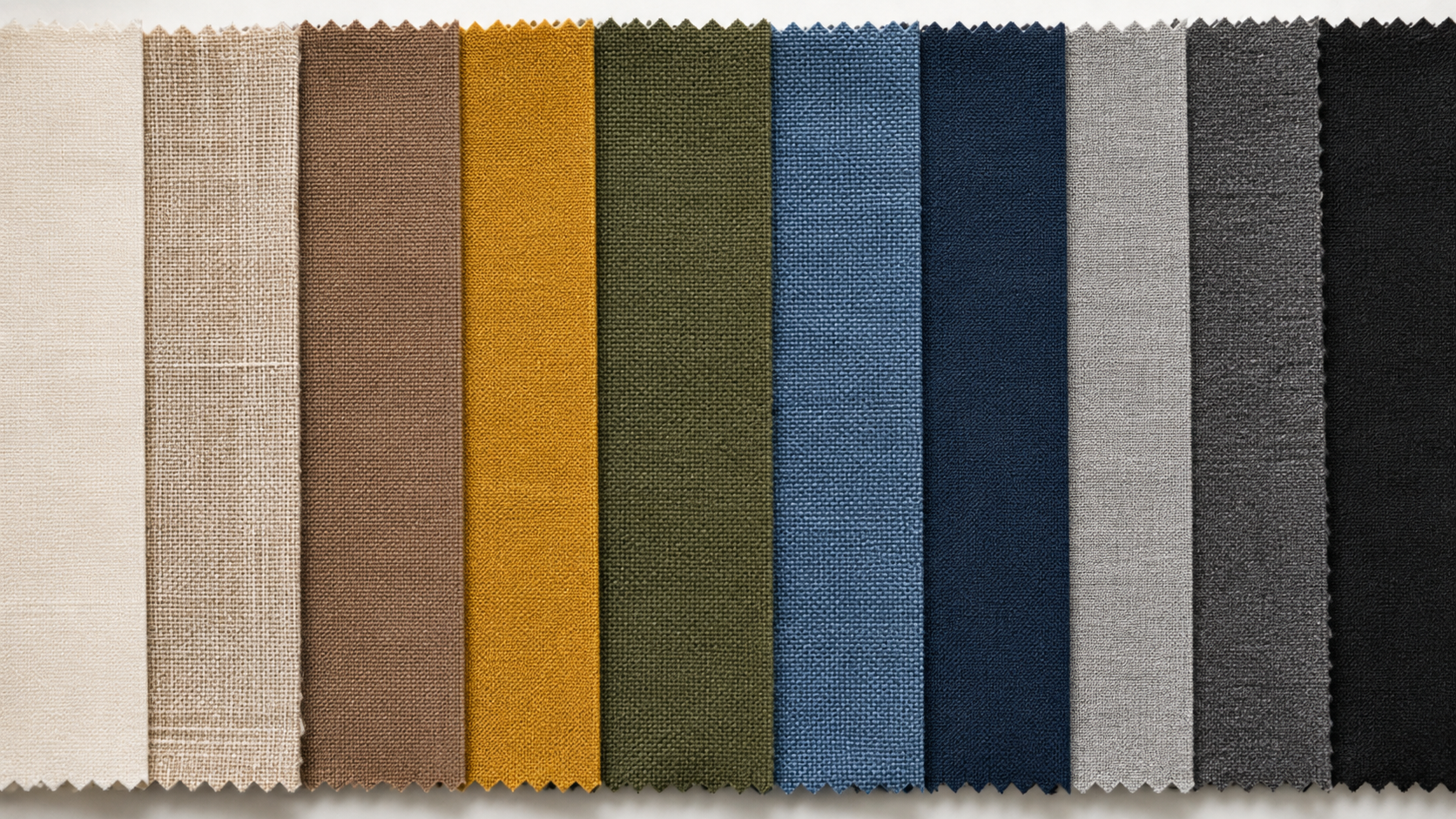
Quick answer: Fabric falls into three broad camps: natural (cotton, linen, silk, wool, cashmere), synthetic (polyester, nylon, spandex), and semi-synthetic (rayon/viscose, denim blends). Each behaves differently when it comes to comfort, durability, and how much effort it takes to care for. Knowing the difference means fewer wardrobe regrets and more clothes that actually hold up.
You know the feeling: something looks great on the hanger, then pills after two washes, turns into a sauna in summer, or needs a dry cleaner you didn’t budget for. Nine times out of ten, fabric is the reason. Get familiar with the fibers below and you’ll start reading labels like someone who knows what they’re buying, not just gambling on how something feels in the store.
1. Cotton
Cotton has been around for thousands of years, and it’s stuck around for good reason. It comes from the seed fibers of the cotton plant, and what makes it so popular is how uncomplicated it is: soft, breathable, and useful in almost anything you’d want to wear.
It shows up in T-shirts, underwear, button-downs, bedsheets, towels, you name it. Because it soaks up moisture instead of pushing it away, cotton keeps you feeling relatively fresh through the day. The tradeoff is that it gets heavy when wet and takes its time drying.
Caring for it is easy. Most cotton pieces go straight in the washing machine. Just watch for shrinking and wrinkling, especially with high heat in the wash or dryer. Reading the care label first saves you the surprise later.
Cotton also spans a wide range of weights, from lightweight jersey to heavy canvas, which is part of why it works for everything from a summer tee to a structured jacket. It’s not flashy, but it earns its place in nearly every closet.
2. Linen
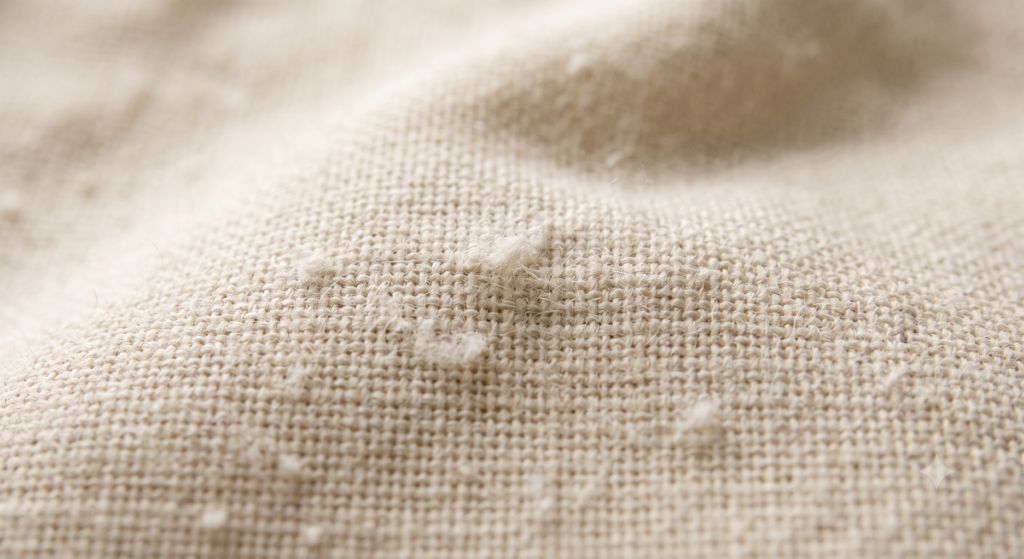
Linen comes from the flax plant, and its reputation is well earned. If you’ve ever put on a linen shirt on a scorching day and immediately felt cooler, you already understand the appeal. The loose weave lets air move through it, which is exactly what you want in hot, humid weather.
Linen wrinkles. A lot. Wear it for ten minutes and creases show up, that’s just how the fiber behaves. Some people find that annoying; others treat it as part of the look. Either way, linen softens with every wash, so it only gets more comfortable over time.
It’s also stronger than cotton, fiber for fiber, which means a well-made linen piece can last for years. Most linen can be washed by hand or on a gentle machine cycle, though some pieces call for dry cleaning depending on how they’re constructed. Skip the high heat when drying and it’ll keep its shape.
You’ll see it in summer trousers, shirts, blazers, dresses, and table linens. It’s one of those fabrics that gets better with age, once you’re used to wearing it in, going back to anything stiffer in summer feels like a step down.
3. Silk
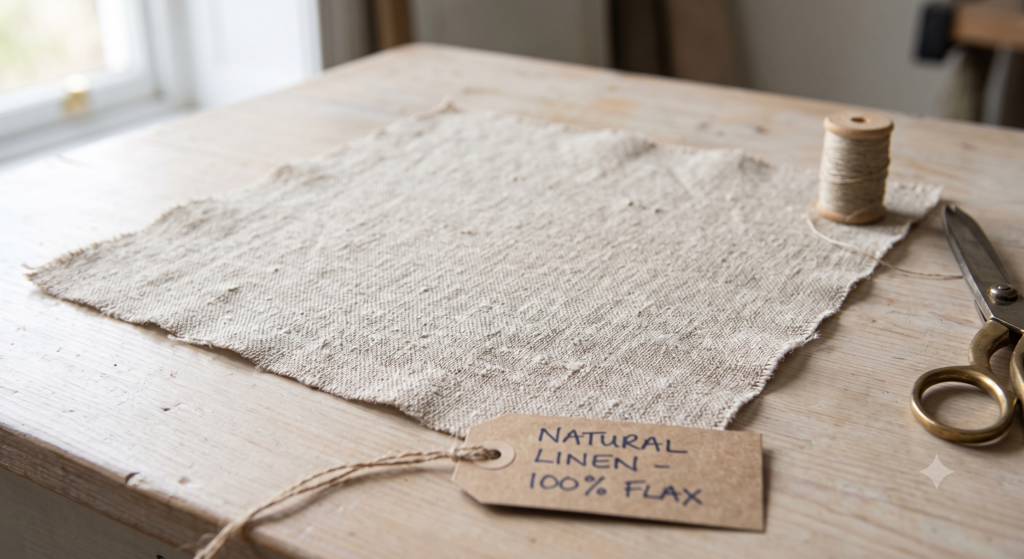
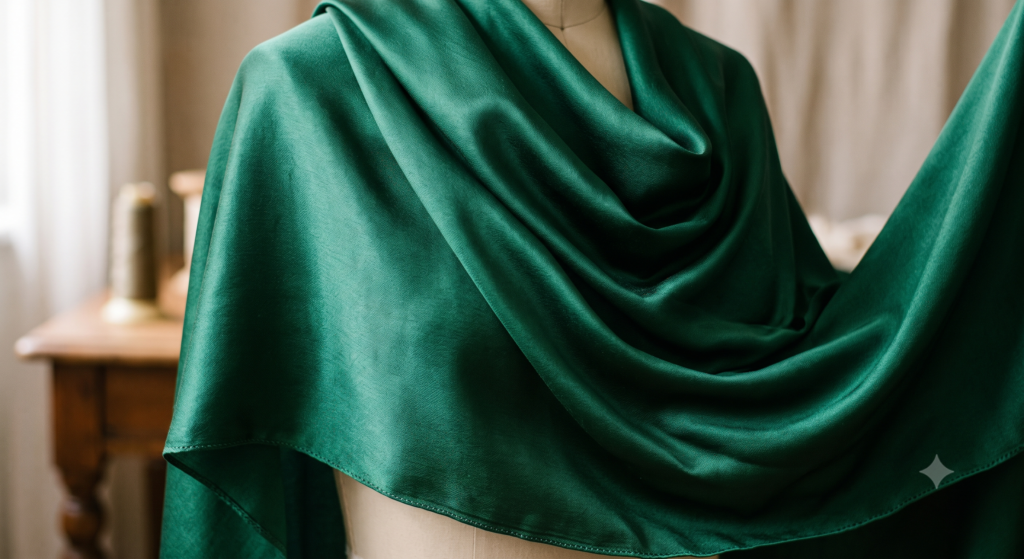
Silk is one of the oldest fibers people have ever worked with. It comes from silkworm cocoons, which are unraveled and spun into thread. Synthetic fabrics have tried to copy that smooth, natural sheen for decades and never quite pulled it off.
Part of what makes silk feel so luxurious is its structure. The fiber is fine and slightly triangular, which bends light in a way that gives it that signature shine. It also regulates temperature better than you’d expect, cool when it’s warm, insulating when it’s cool, so it’s more practical than its delicate reputation suggests.
That said, silk does need careful handling. Hand wash in cold water with a gentle detergent, or send it to the dry cleaner. Keep it out of direct sunlight for long stretches, since the color fades, and watch for snags around rough surfaces or jewelry.
You’ll find silk in blouses, dresses, scarves, ties, lingerie, even pillowcases. It’s not cheap, and that price tag reflects how labor-intensive it is to produce. Take care of a silk piece properly and it’ll last.
4. Wool
Wool comes from sheep, and it’s been keeping people warm across nearly every cold-weather culture in history. What sets it apart is that it insulates even when damp, thanks to the natural crimp in the fiber that traps air and holds onto warmth.
It’s also more resilient than most fabrics. Wool resists wrinkles, holds its shape, and generally outlasts plant-based fibers. Merino wool, a finer version, is noticeably softer and skips the itchiness people associate with older-school wool sweaters.
How you care for it depends on the garment. Some wool is machine washable on a delicate cycle; other pieces need hand washing or dry cleaning to avoid felting and shrinkage. Heat and agitation are the real enemies, both can permanently mat the fibers.
Sweaters, coats, suits, scarves, blankets, wool covers a lot of ground. It costs more than cotton or synthetics, but a wool piece that’s cared for properly can last for decades, which makes it a solid long-term buy if you deal with real winters.
5. Cashmere
Cashmere is technically a type of wool, but it plays in its own league. It comes from the soft undercoat of cashmere goats, mostly raised in Mongolia, China, and parts of Central Asia. Each goat only produces a small amount of usable fiber per year during molting season, which is a big part of why cashmere costs what it does.
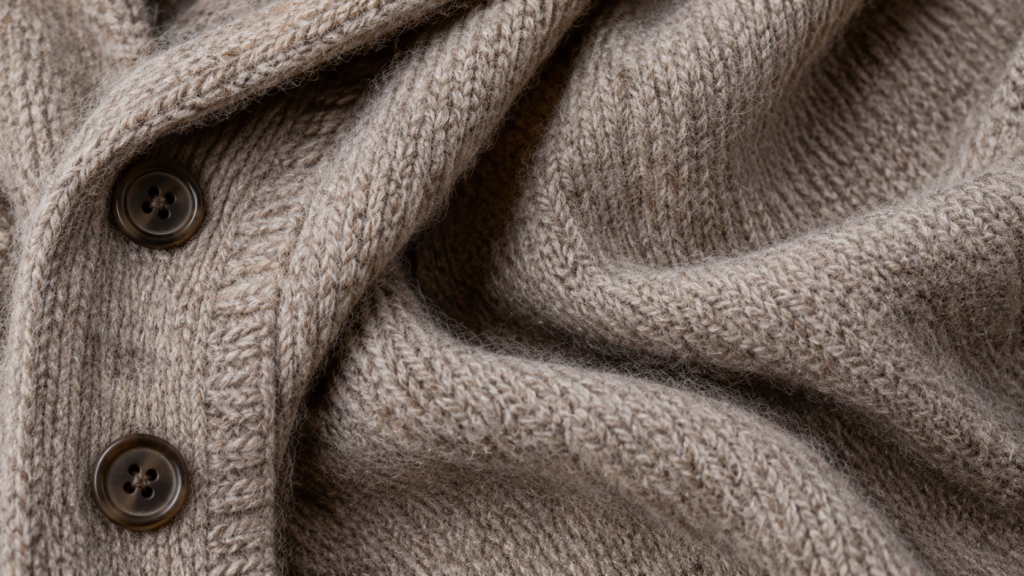
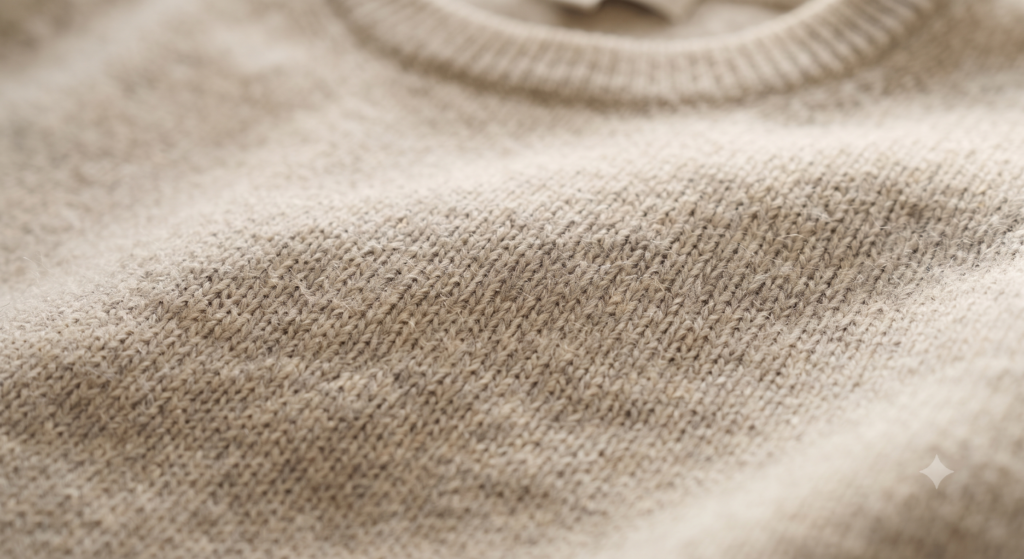
Softness is the whole point here. Compared to regular sheep’s wool, cashmere fibers are finer and smoother, so it feels noticeably gentler against skin. It’s lighter and warmer than standard wool too, which is how you get a cashmere sweater that feels substantial without weighing you down.
It needs a bit of attention to care for properly. Hand wash in cool water with a gentle detergent, though some cashmere blends can handle a gentle machine cycle. Dry it flat, never hung, or it’ll stretch out of shape. Pilling happens, especially with lower-quality cashmere or in high-friction spots, but a fabric comb takes care of that.
You’ll mostly find it in sweaters, cardigans, wraps, and scarves. Prices swing wildly depending on quality and origin, so it’s worth doing a little homework before you spend real money on it.
6. Polyester
Polyester is made from petroleum-based polymers, and it’s one of the most heavily produced fabrics on the planet. That’s not an accident: it’s durable, resists wrinkling and shrinking, holds color well, and costs a fraction of what natural fibers do to produce.
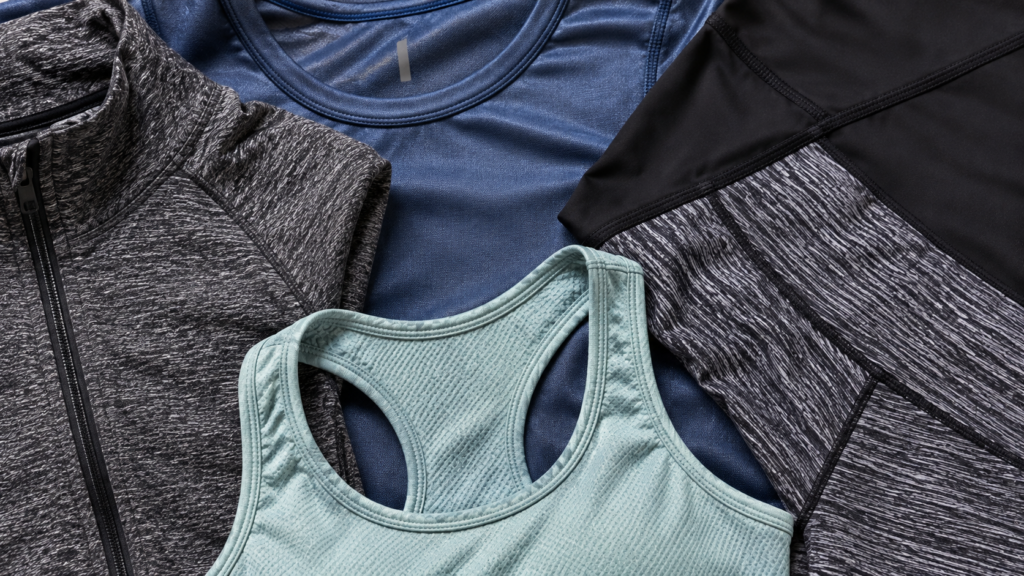
One of its best tricks is moisture-wicking. Unlike cotton, polyester doesn’t absorb water, it pushes it away from your body, which is exactly why it’s everywhere in activewear. The flip side is that it’s not very breathable, so it can feel clammy in hot or humid weather when airflow matters more than sweat management.
It’s also low-maintenance. Machine wash, machine dry, no fuss, and it holds its shape well over repeated washes. The one thing worth knowing: polyester sheds microplastics every time it’s washed, which matters if sustainability factors into how you shop.
You’ll find it in activewear, outerwear, linings, and blended into countless fabrics. It’s often paired with cotton specifically to combine strengths, durability and wrinkle resistance from the polyester, softness and breathability from the cotton.
7. Nylon
Nylon was one of the very first synthetic fibers ever made, and it’s still a workhorse today. It’s strong for how light it is, holds up well against abrasion, and keeps its shape under stress, exactly what you want from a fabric that has to perform.
It shows up constantly in activewear, hosiery, swimwear, and outerwear. Jackets, backpacks, and outdoor gear lean on nylon because it resists tearing and dries fast, useful after a downpour or a hard workout.
It shares polyester’s biggest weakness though: not much airflow on its own, which traps heat during activity. Blend it with other fibers or weave it a certain way, though, and it performs well in technical, sport-focused garments.
Caring for it is simple. Machine wash, quick dry, just avoid high heat in the dryer since that’s what damages the fiber over time. Nylon isn’t glamorous, but it tends to outlast fabrics that look nicer on day one.
8. Rayon (Viscose)
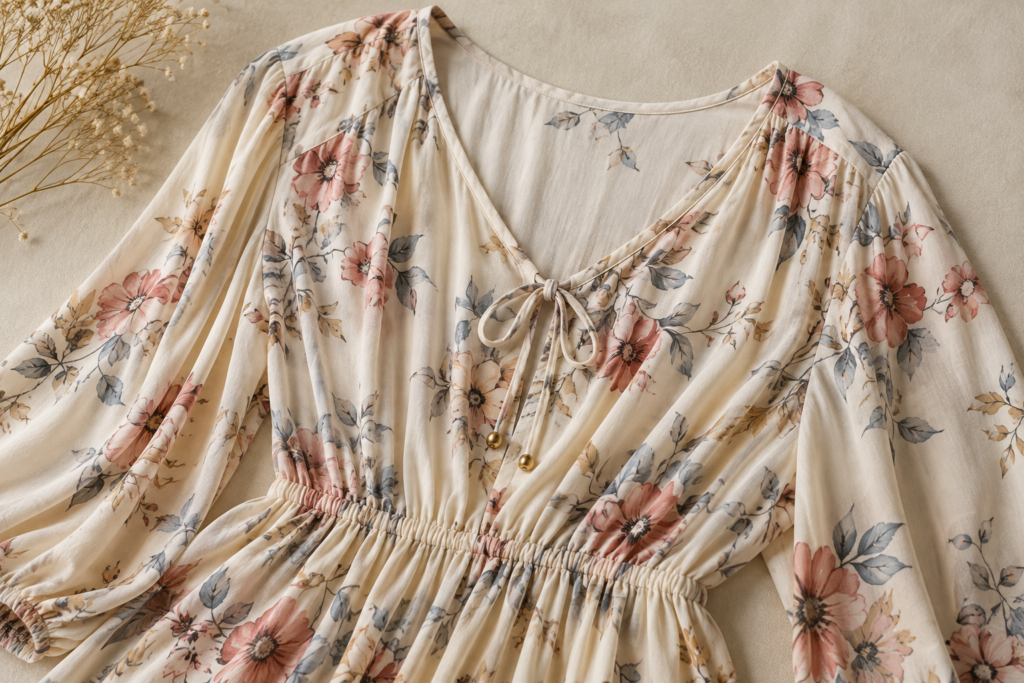
Rayon, also sold as viscose, sits in an odd middle spot. It starts as plant cellulose, usually wood pulp, but goes through enough chemical processing that it’s classified as semi-synthetic rather than fully natural. What you end up with behaves more like a natural fiber than most synthetics do: soft, with a fluid drape that’s often used as a silk stand-in.
It’s lightweight, breathable, and drapes beautifully, which is why it turns up so often in flowy dresses, blouses, and skirts. It also takes dye exceptionally well, so rayon pieces tend to come in rich, vivid colors.
The catch is durability. Rayon weakens when wet and wrinkles easily, so it needs more careful handling than cotton or polyester. Most rayon garments call for hand washing or dry cleaning; if you do machine wash it, stick to a gentle, cold cycle. High heat causes shrinkage and can damage the fiber outright.
Quality varies a lot here. Better rayon holds its shape over time; cheaper versions can lose structure after a handful of washes. Worth checking the label before you buy, not after.
9. Denim
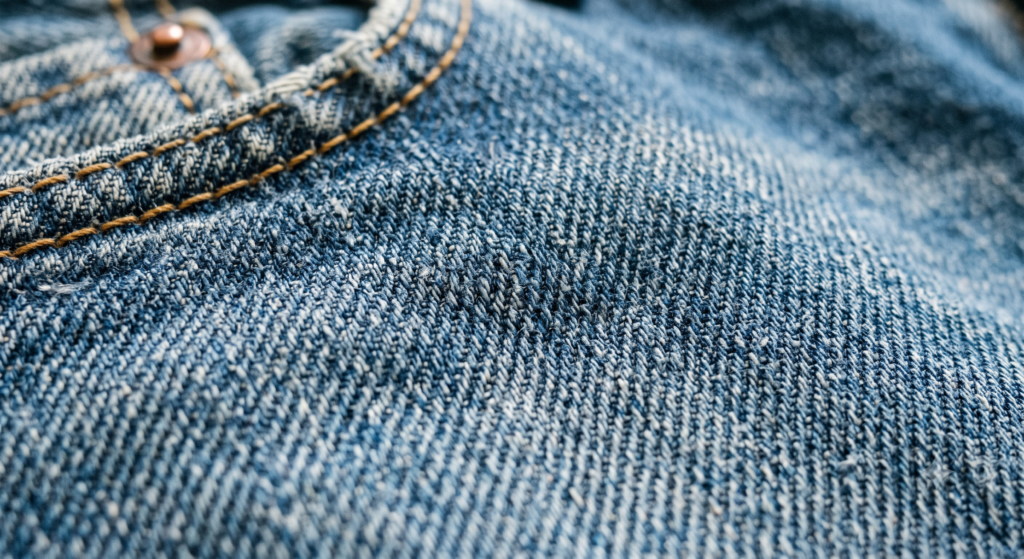
Denim is cotton at its core, but the weave changes everything. It’s a twill construction, where the weft thread passes under two or more warp threads, and that’s what gives denim its diagonal ribbing and serious durability.
That toughness is exactly why denim became a working-class staple and why it’s stuck around ever since. Jeans, jackets, skirts, overalls made from it hold up to real wear, and they age in a way people actively like: fading, creasing, developing character over time. Raw or selvedge denim takes this further, breaking in uniquely to whoever’s wearing it.
Most modern denim has a bit of elastane or polyester blended in for stretch, especially in slim-fit or athletic styles. Pure cotton denim starts out stiffer but softens the more you wear and wash it.
It’s forgiving to care for. Machine washing works fine for most denim, though washing less often and using cold water keeps color and shape intact longer. Turning jeans inside out before washing is a small habit that pays off.
10. Spandex (Elastane)
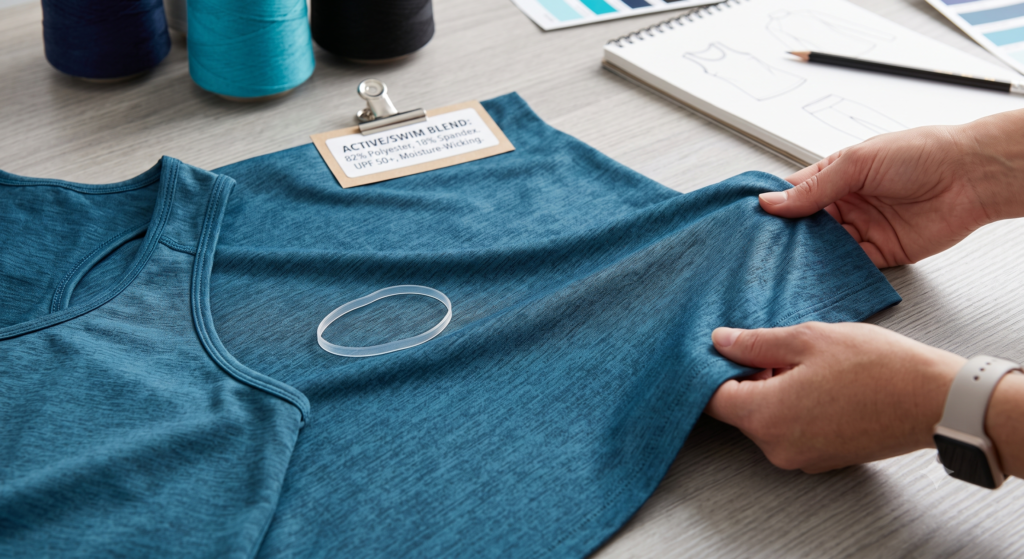
Spandex, sold under names like Lycra and often called elastane outside the US, does one thing better than any other fiber: it stretches to several times its length and snaps right back without losing shape.
Because of that, it’s rarely used alone. It gets blended into other fabrics in small amounts, sometimes just 2-5%, to add stretch and recovery. That small percentage changes how a garment fits and moves entirely, letting clothes move with your body instead of fighting it.
You’ll find it in activewear, swimwear, leggings, fitted dresses, and even jeans. Anywhere a garment needs to hold its shape while still moving with you, spandex is probably in the mix.
Care is easy as long as you avoid heat. Hot water and hot dryers break down the elastane over time, which is how leggings lose their stretch and start to sag. Cool water and air drying keep spandex blends performing the way they should.
Frequently Asked Questions About Fabric Types
What is the most breathable fabric for everyday wear?
Cotton and linen are the standouts for everyday breathability. Cotton is soft and easy to find everywhere; linen’s open weave lets even more air through, which is why it’s the better pick for genuinely hot or humid climates. Both let moisture and heat escape more effectively than most synthetics.
What is the difference between natural and synthetic fabric?
Natural fabrics, cotton, linen, silk, wool, come from plants or animals and go through minimal chemical processing. Synthetics like polyester, nylon, and spandex are built from petroleum-based polymers through industrial chemical processes. Natural fibers tend to breathe better; synthetics tend to hold up longer and resist moisture. Rayon and similar semi-synthetics land somewhere in between, natural raw material, heavy chemical processing.
Which fabric types are generally better for sensitive skin?
Softer natural fibers like cotton and fine merino wool tend to irritate skin less than coarse synthetics or rough natural fabrics. Silk is usually gentle too. That said, everyone’s skin reacts differently, and dyes, finishing treatments, and detergents can matter just as much as the fiber itself. If you deal with real sensitivities, it’s worth a quick conversation with a dermatologist rather than guessing.
How can I tell if a fabric is good quality before buying?
Start with the fiber content on the label, higher natural-fiber content or a clearly labeled blend is usually a good sign. Feel the weight: quality fabric feels substantial without being stiff. Hold it up to the light and check for an even weave. For wool or cashmere, look for smooth, consistent fibers with minimal pilling. Seam and stitching quality tell you a lot about how the whole garment was made, not just the fabric.
Make Fabric Knowledge Part of How You Shop
Once you actually know what you’re looking at, shopping changes. Instead of guessing whether something survives a few washes or holds up through a long day, you can make a real call before you buy. Cotton for breathable basics. Linen for warm-weather comfort that gets better with time. Wool and cashmere when warmth and longevity matter. Polyester and nylon when you want durability without the maintenance. Rayon when you want drape and softness without silk’s price tag. Spandex wherever stretch needs to be part of the equation.
No single fabric works for everything. The right pick depends on your climate, your lifestyle, your budget, and how much effort you’re willing to put into caring for your clothes. But with this as a starting point, you’re shopping with a plan instead of a guess.
For more on making smarter fabric choices, check out our guides on Cotton vs. Linen: Which Is Right for Your Wardrobe? and How to Identify High-Quality Fabric Before You Buy.