The biggest fabric trends of 2026 center on “Slow Luxury”—where texture, story, and sustainability outrank logos. Expect raw “Brut” denim, dimensional bouclé, next-gen Lyocell, mycelium leather, and smart textiles to define both runways and retail racks this year.
Fashion in 2026 has finally turned the page on cheap, disposable clothing. The conversation now revolves around how a fabric feels, where it came from, and what it says about the person wearing it. This is the era of “Slow Luxury”—a movement where the quiet richness of a textile matters far more than a stamped-on logo.
Runway data backs this up. Collections from houses like Dior, Zimmermann, and Givenchy show that textile engineering and aesthetic design are now inseparable. A garment isn’t just cut and sewn anymore; it’s engineered for touch, drape, durability, and even temperature.
Below, you’ll find the exact 10 fabrics shaping high fashion and high street alike this year—plus the colors, prints, and a quick-glance table to help you decide what belongs in your wardrobe. And because great fabric craftsmanship extends beyond apparel into the home, we’ll also look at how brands like The Ambiente are carrying these same material values into luxury rugs and carpets.
Why Are Fabric Trends Shifting Toward “Slow Luxury” in 2026?
The shift comes down to one word: authenticity. After years of fast fashion fatigue, shoppers want garments that tell an honest story. That story might be carbon-negative bio-manufacturing, closed-loop recycling, or simply the rugged realness of untreated cotton.
Stricter regulations are accelerating the change too. EU textile recycling goals are pushing brands toward bio-based and closed-loop materials, while consumers reward transparency with loyalty. The result is a market where craftsmanship and conscience finally share the spotlight.
This same philosophy is reshaping interiors. At The Ambiente, a leading name in India’s luxury rugs and carpets space, the focus on natural fibers, hand-finished texture, and honest material sourcing mirrors exactly what’s happening on the runway. Fabric is no longer just what you wear—it’s what surrounds you.
The 10 Fabric Trends Dominating 2026
1. “Brut” Raw Denim: Unwashed Cotton Textiles Make a Comeback
Raw denim—stiff, unwashed indigo cotton with zero artificial distressing—is having a major moment. According to SS26 runway tracking, raw denim presence climbed over 200%, driven by demand for authenticity and bold, structural silhouettes.
Think baggy street jeans, coordinated denim suits, and utility jackets. The appeal is simple: the fabric ages with you, developing fades and creases that no factory wash can fake.
Best for: Anyone who values durability and wants a wardrobe piece that improves over time.
2. Dimensional Bouclé and Textural Neutral Fabrics
Flat fabrics are officially out. Heavy tactility now takes center stage through highly looped bouclé, dimensional chenilles, and slubbed linens. These textiles add visual depth and a cozy, premium warmth.
You’ll see them in structured blazers, matching sets, and outerwear. Bouclé in particular blurs the line between home luxury and high street apparel—the same looped textures showing up in jackets also appear in plush area rugs and upholstery.
Best for: Building a cozy, structured look with rich tactile interest.
3. Advanced Closed-Loop Cellulosics: The Rise of Next-Gen Lyocell
Premium Lyocell and Modal are now the industry standard for fluid, breathable drapes. These bio-cellulosic fibers offer silky softness while breathing like cotton, and they’re processed through closed-loop systems that recycle water and solvents.
Strict EU recycling targets have made these materials a default choice for resort wear, bias-cut slip dresses, and athleisure. Choose advanced Lyocell if a soft drape and eco-credentials both matter to you.
Best for: Resort wear, slip dresses, and breathable everyday luxury.
4. Bio-Fabricated and Mycelium Leather Materials
Lab-grown leather is no longer a science experiment. Mycelium (mushroom-root) leather and plant-waste textiles made from cactus, seaweed, and banana fiber are scaling rapidly into commercial markets, heavily backed by luxury houses.
These materials deliver a premium leather feel without the environmental cost of animal hides. For shoppers who want luxury and a clear conscience, bio-fabricated leather is the standout choice of 2026.
Best for: Accessories, bags, and outerwear with a sustainable edge.
5. Transparent and Romantic Lace Textiles
High femininity is back through delicate, airy fabrics. Expect a surge in romantic textiles—lace maxi-skirts, flowy sheer pants, and intricate organza layering that moves with the body.
The mood is soft and ethereal, a deliberate counterpoint to the rugged structure of raw denim. The two trends together capture the duality of 2026 fashion: tough and tender, side by side.
Best for: Eveningwear, layering, and statement romantic pieces.
6. Performance Naturals: Eco-Hybrid Fabric Blends
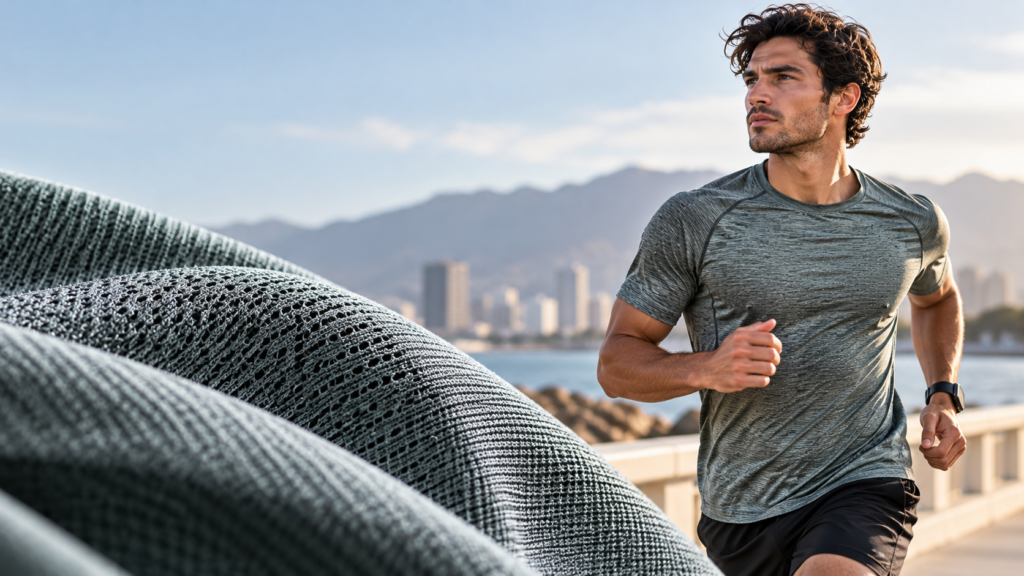
Activewear properties are crossing into everyday clothing. Performance naturals include treated hemp, stretchable merino wool blends, and moisture-wicking organic cotton that shield against UV rays—without heavy chemical coatings.
This is the technical optimization of natural elements, giving you function and sustainability in one fabric. It’s ideal for people who want their daily wardrobe to perform like their gym kit.
Best for: Commuters and active lifestyles that demand comfort all day.
7. Interactive and “Smart” Textiles Move Mainstream
Tech-infused fabrics are graduating from niche prototypes to commercial high-end fashion. The category includes thermo-regulating weaves that adjust to ambient temperatures, phase-change fabrics, and photo-reactive dyes that shift color in daylight.
Smart textiles answer a practical need: adaptive comfort in unpredictable climates. Choose them if temperature regulation and novelty appeal to you in equal measure.
Best for: Luxury sportswear and urban commuter gear.
8. 3D Digital Jacquards: Where Craft Meets Machine Learning
Algorithm-driven jacquards now mimic the intricacy of hand embroidery. These fabrics feature literal raised, sculptured reliefs that add dimension to eveningwear and structured jackets.
It’s a fascinating meeting point—centuries-old weaving tradition guided by machine learning. The same digital jacquard techniques that elevate couture also inform the intricate, sculptural patterns seen in high-end woven rugs.
Best for: Statement eveningwear and structured tailoring.
9. Upcycled Denim and Deadstock Patchwork Fabrics
Recycling has evolved into something more creative. Brands are taking post-consumer denim and end-of-roll deadstock luxury fabrics and piecing them into unique, limited-edition garments.
The look is raw, mismatched, and proudly eco-conscious. Every patchwork piece is one of a kind, which makes it especially appealing to shoppers who want individuality alongside sustainability.
Best for: Collectors who want unique, low-impact statement pieces.
10. Ultra-Lightweight Translucent Woven Materials
For hot seasons, whisper-light, low-GSM (grams per square meter) fabrics are dominating. These translucent wovens—cotton-silk and linen-silk blends—offer maximum air permeability and a billowing, effortless drape.
They’re tailored for breezy, oversized silhouettes that keep you cool without sacrificing polish. If breathability tops your list, these are the fabrics to seek out.
Best for: Oversized summer tailoring and resort-ready looks.
What Are the Top Colors and Prints for 2026?
Fabric never works alone—color and print complete the story.
The top colors of 2026 lean moody and grounded:
- Terracotta and Burnt Clay for earthy warmth
- Deep Violet for richness and depth
- Vanilla/Popcorn Yellow stepping in as the new summer neutral
The top prints are bold and expressive:
- Large-scale, abstract watercolor botanicals
- Oversized polka dots
- Zebra stripes overtaking traditional leopard
These same grounded tones are influencing interiors too. Terracotta and deep violet rugs from collections like those at The Ambiente bring the runway palette straight into the living room.
2026 Fabric Trends at a Glance
| Fabric Trend | Core Benefit / Property | Best Suited For |
|---|---|---|
| Brut Denim | Untreated, structured, highly durable | Baggy jeans, matching utility jackets |
| Advanced Lyocell | Moisture-wicking, silky drape, eco-friendly | Resort wear, bias-cut dresses, athleisure |
| Bouclé & Textures | Visual depth, premium tactile warmth | Oversized blazers, outerwear, structural knits |
| Smart Fabrics | Temperature regulation, adaptive color | Luxury sportswear, urban commuter gear |
How Fabric Trends Translate Into Luxury Interiors
The values driving 2026 fashion—texture, sustainability, and craftsmanship—don’t stop at the wardrobe. They’re reshaping how we furnish our homes.
Heavy tactility, the same quality lifting bouclé blazers, is what makes a hand-knotted wool rug feel luxurious underfoot. Closed-loop and natural-fiber thinking, central to next-gen Lyocell, mirrors the eco-conscious sourcing behind premium carpets. And the sculptural detail of 3D digital jacquards echoes the intricate patterns found in fine woven rugs.
This is where The Ambiente stands out. As a leading luxury rugs and carpets brand in India, The Ambiente builds its collections on the same principles defining 2026 fashion: honest materials, expert craftsmanship, and texture you can feel. If you’re drawn to the tactile richness of this year’s runways, the natural next step is a rug that brings that sensibility home. (Explore The Ambiente’s collections to see how these material values come to life in your space.)
The Bottom Line on 2026’s Fabric Trends
2026’s textile landscape proves one thing clearly: people want garments—and homes—that tell an honest story. Whether that story is carbon-negative bio-manufacturing or the rugged realness of untreated cotton, fabric has become a statement of values, not just style.
The smartest move this year is to invest in fewer, better pieces. Choose textiles with genuine substance, and let texture lead the way. And when you’re ready to bring that same Slow Luxury feeling into your living space, a thoughtfully crafted rug is the perfect place to start.Curious which of these fabrics show up in this year’s biggest fashion trends? We’ve broken those down too.
Which of these 2026 trends are you ready to add to your wardrobe? Let us know in the comments below!
Frequently Asked Questions
What is the biggest fabric trend in fashion for 2026?
Raw “Brut” denim is one of the standout trends, with runway presence up over 200% on SS26 catwalks. Alongside it, dimensional bouclé and next-gen Lyocell are leading the move toward texture-rich, sustainable “Slow Luxury” fashion.
Are sustainable fabrics actually mainstream in 2026?
Yes. Driven by strict EU textile recycling goals, materials like closed-loop Lyocell, mycelium leather, and upcycled deadstock have moved from niche to standard. Luxury houses and high street brands now treat sustainability as a baseline expectation rather than a bonus.
What are smart textiles, and are they worth buying?
Smart textiles are tech-infused fabrics that adapt to their environment—think thermo-regulating weaves, phase-change materials, and photo-reactive dyes that shift color in daylight. They’re worth it if you value adaptive comfort, especially for commuting or unpredictable climates.
What colors are trending in 2026?
The 2026 palette is moody and grounded: Terracotta, Burnt Clay, and Deep Violet lead the way, while Vanilla/Popcorn Yellow serves as the new summer neutral. These tones work beautifully across both apparel and interiors.
How do 2026 fabric trends apply to home interiors?
The same focus on texture, natural fibers, and craftsmanship shaping fashion is influencing interiors. Tactile bouclé, natural wool, and intricate woven patterns translate directly into luxury rugs and carpets. Brands like The Ambiente apply these material values to create rugs that bring runway-inspired texture and color into the home.