The office dress code has quietly changed shape. Gone are the days of stiff blouses and boxy power suits standing in for “professional.” In their place is a wardrobe built on comfort, better fabric, and pieces that actually earn their spot in your closet.
It’s not really about aesthetics. More women are choosing fewer, better pieces instead of chasing whatever’s trending on their feed this week, and that shift says something about how “looking professional” is being redefined. The payoff is a working wardrobe that feels put-together and, just as important, comfortable enough to wear five days a week.
Whether your office leans corporate or creative, here are the 10 trends shaping women’s workwear in 2026, from the return of soft suiting to the rise of elevated knitwear.
1. Soft Power Suiting
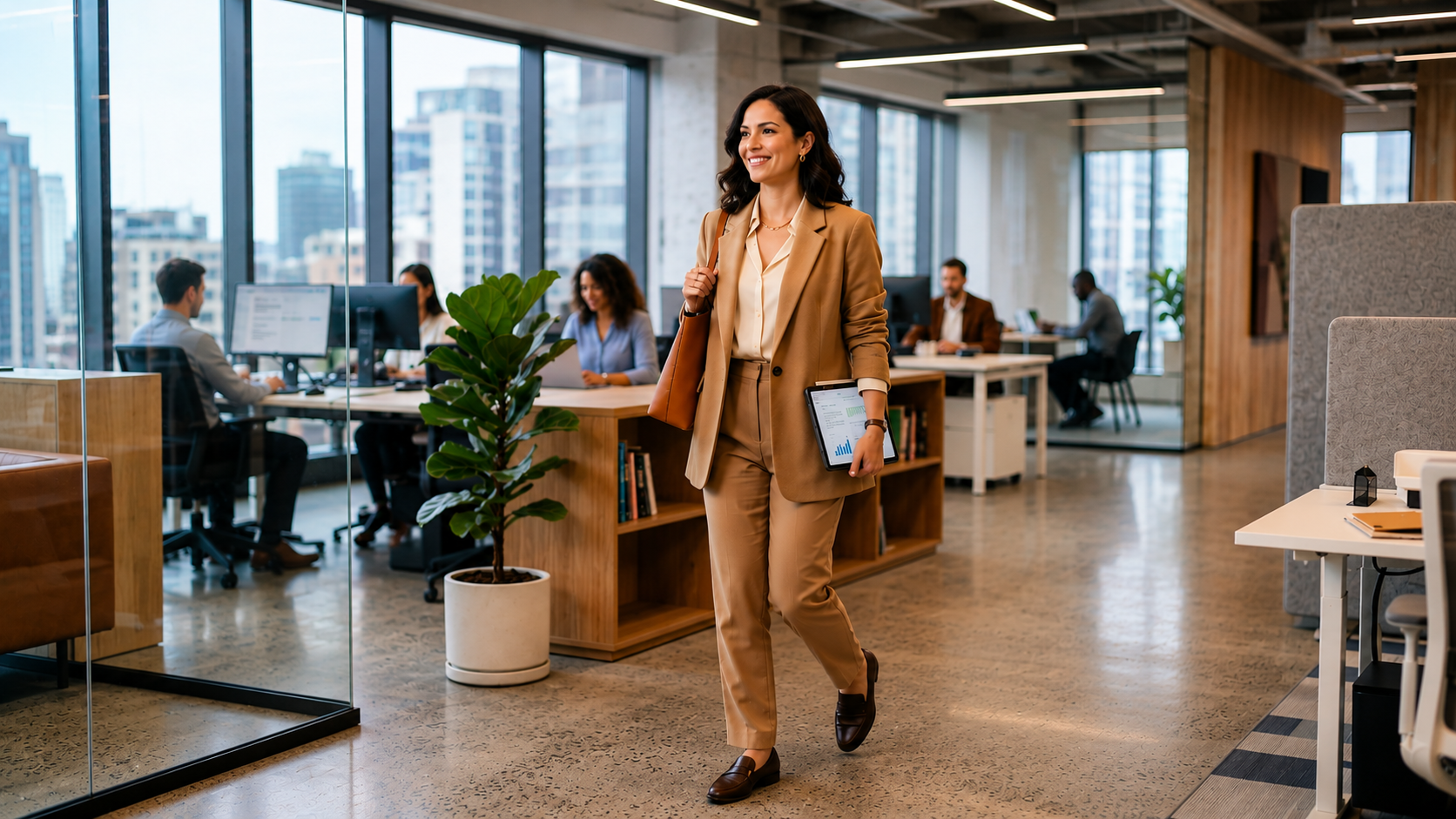
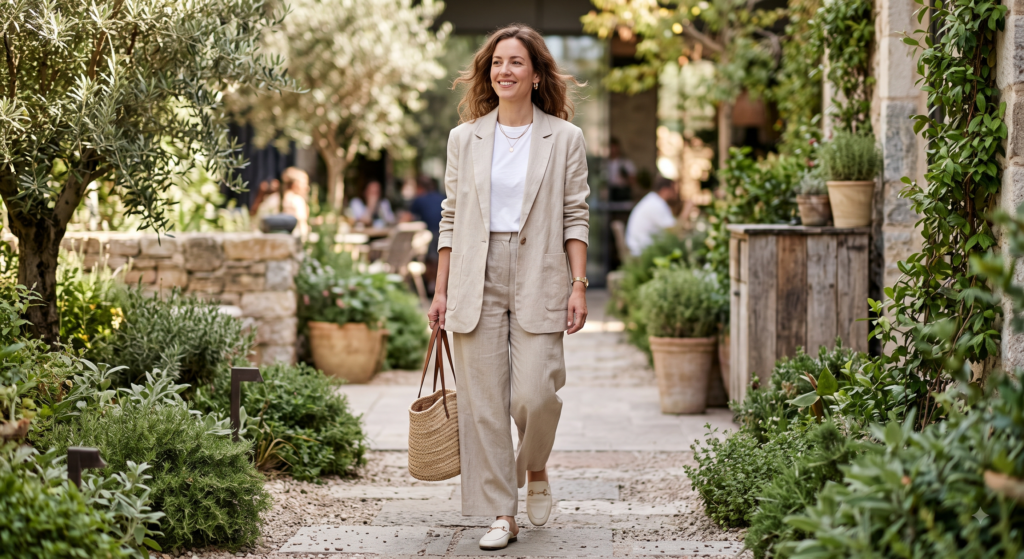
The blazer-and-trouser set isn’t disappearing, it’s just relaxing. Sharp, boxy silhouettes are giving way to softer shoulders, roomier fits, and blazers that fall at the hip or lower.
Trousers are following suit (pun intended), with fuller legs replacing the tapered cuts that used to dominate office closets. Call it the “power suit, relaxed” era: the authority is still there, just without the stiffness.
If you’re shopping for one, stick to mid-weight fabrics like wool-blend or structured crepe. They hold their shape without feeling restrictive.
2. Wide-Leg and Balloon Trousers
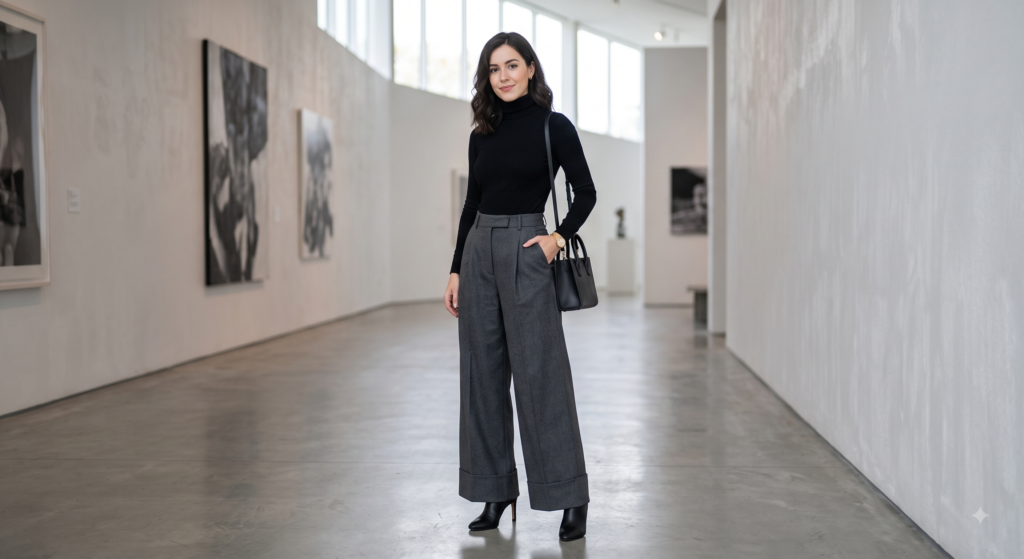
Wide-leg trousers stopped being a trend seasons ago. At this point they’re a defining trend of 2026 at this point, and most well-stocked office wardrobes already have a pair.
If you want to push it further, balloon and harem-style trousers are the bolder option. They add real volume through the hip and thigh before tapering at the ankle, and they read as surprisingly work-appropriate when paired with something fitted up top.
The trick with any wide-leg silhouette is proportion. Balance the volume below with something streamlined above, like a fine knit, a slim blazer, or a blouse tucked in cleanly.
3. Collarless Blazers
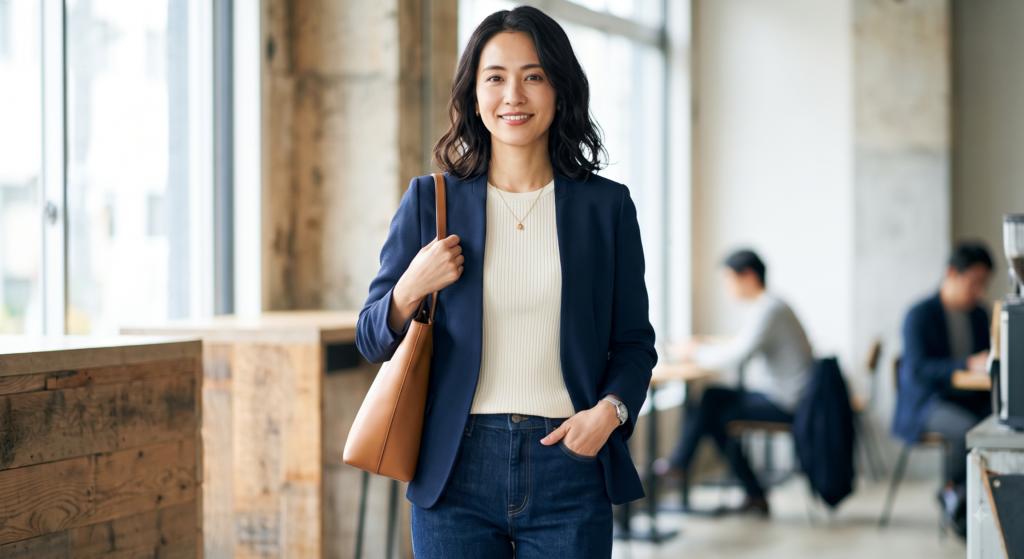
Dropping the lapel makes a bigger difference than you’d expect. A collarless blazer instantly looks cleaner and more modern, and it’s a good option if a classic blazer feels a touch too formal for you.
It pairs well with fine knits, simple scoop necks, or even a plain white tee if your office allows it. Worn open, it acts almost like a structured cardigan. Buttoned up, it looks sharp and deliberate.
Stick to tonal shades, stone, ivory, black, or navy, and you’ll get the most mileage out of it.
4. Elevated Knitwear
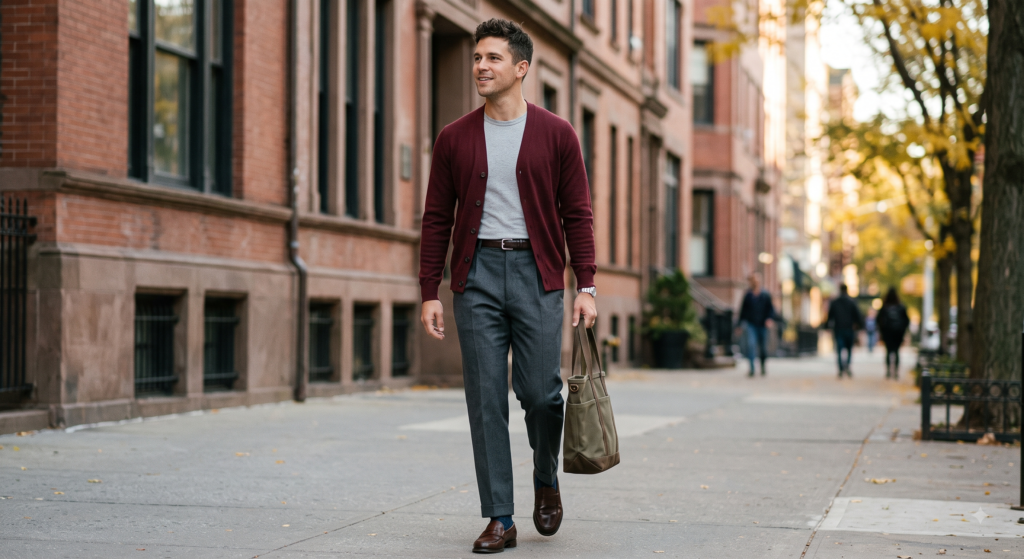
Fine knitwear is having a real moment across fashion generally, and it’s easy to see why. A crisp shirt isn’t the only way to look pulled-together anymore; a well-cut knit polo or a refined cardigan does the job just as well, and it’s a lot more comfortable through a long workday.
Knitwear also works as a base layer under blazers, adding texture without the bulk of a traditional blouse. On its own, a fitted knit polo tucked into tailored trousers is quietly confident.
Keep it fine-gauge and in solid, muted tones for the office. Save the chunky textures for the weekend.
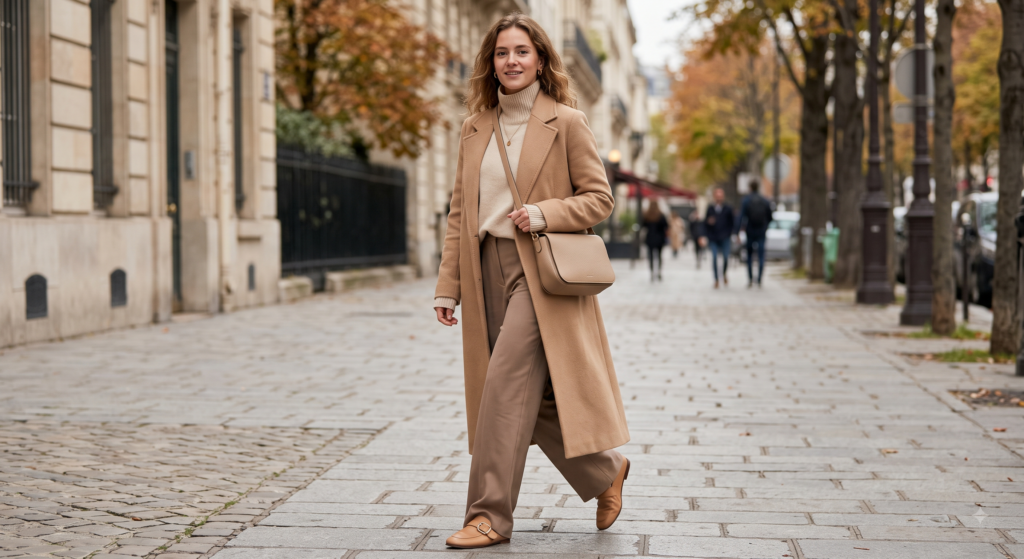
5. Tonal, Head-to-Toe Neutral Dressing
Monochrome dressing in muted tones might be the easiest way to look put-together for work. Stone, camel, navy, grey, and ivory are the anchors here, and together they read as quietly expensive without much effort.
The real appeal is how simple it makes getting dressed. Once everything lives in the same color family, most combinations just work. A camel blazer over a stone knit with cream trousers takes about ten seconds to put together, and it looks intentional every time.
Mix textures within that same tonal range, matte against sheen, smooth against ribbed, so the outfit still has depth even without color contrast.
6. Earthy Accent Colors
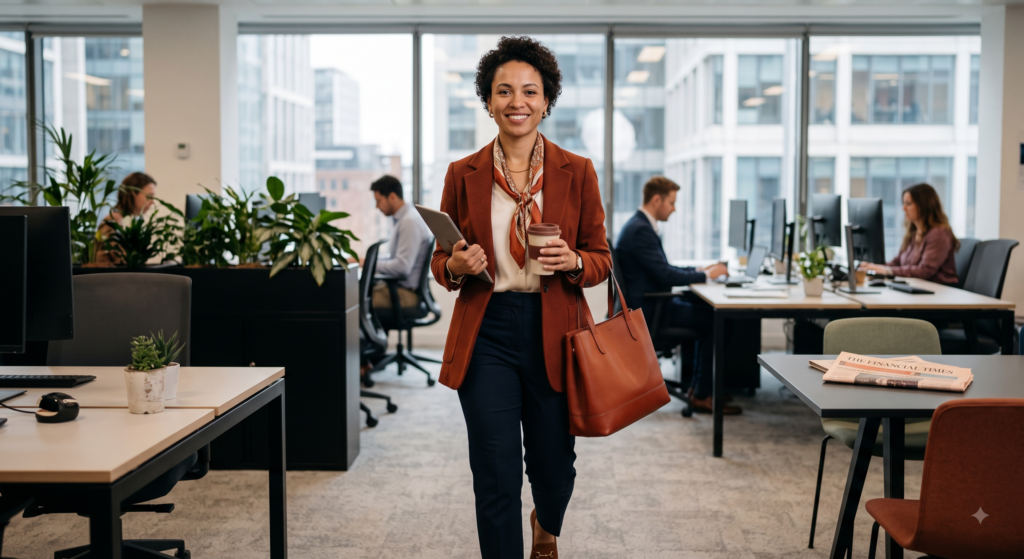
Neutral doesn’t have to mean colorless. Forest green, chocolate brown, and burgundy are showing up as the accent colors of choice this year, warm and grounded enough to sit comfortably next to a neutral base.
The approach is simple: build the outfit in neutrals, then let one earthy tone be the focal point. A chocolate brown blazer over cream trousers. A forest green skirt with an ivory blouse. Burgundy loafers against a camel suit.
These colors feel current without tipping into anything too casual or too loud for the office.
7. Work Dresses
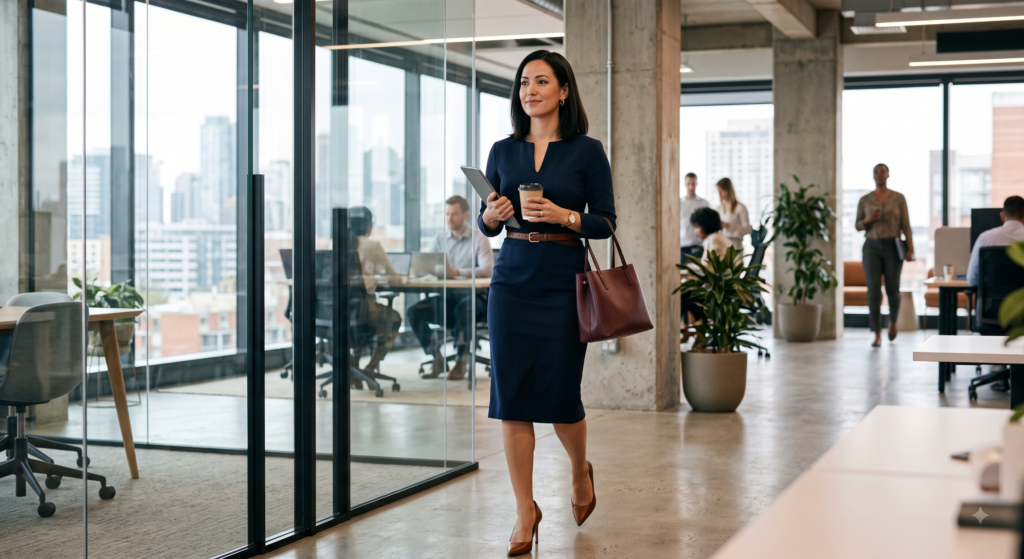
Some mornings, putting together a full outfit feels like too much. That’s what a good work dress is for. Pencil and midi-length styles are leading this category right now, offering a one-and-done alternative to separates.
Worn alone with minimal accessories, a well-cut midi dress is office-ready on its own. Add a blazer over it and the whole look gets more formal instantly, which is useful on days when a client meeting shows up on your calendar unannounced.
When you’re shopping for one, prioritize cut and fabric over decorative details. A clean silhouette in a good fabric will outlast whatever’s trending by years.
8. Smart-Casual Staples
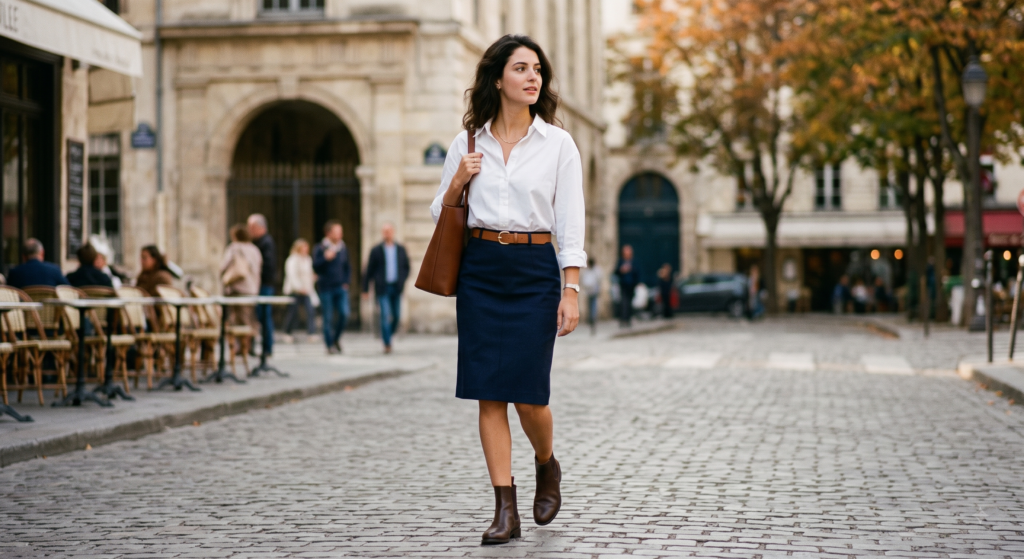
Not every office calls for full suiting. If your workplace has a relaxed or creative dress code, a solid rotation of smart-casual pieces covers you from your desk to after-work plans.
The essentials: a solid rotation of smart-casual pieces, a crisp button-up (Oxford or poplin), a straight-cut midi skirt, tailored chinos or straight-leg trousers, and clean leather loafers. These mix and match endlessly, and they carry you from a casual office to dinner after without a wardrobe change.
The goal is looking intentional without looking overdressed, and the right basics make that easy.
9. Statement Accessories
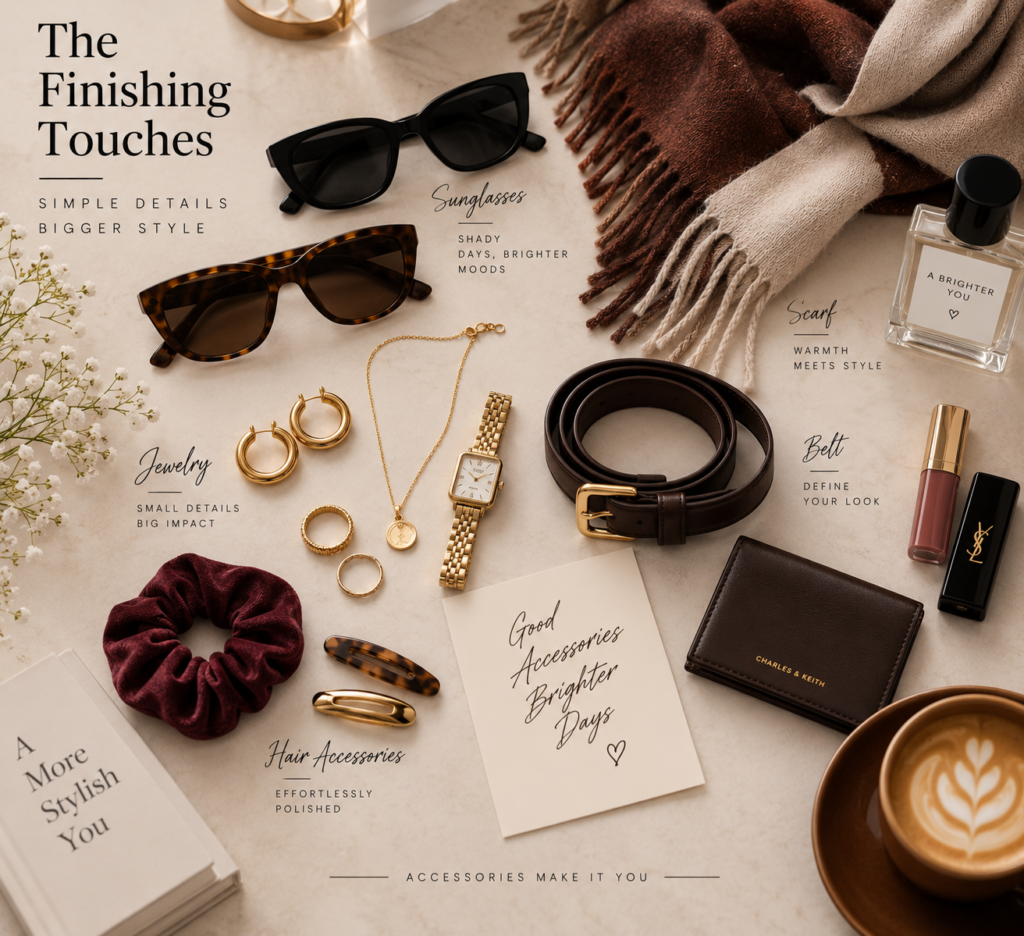
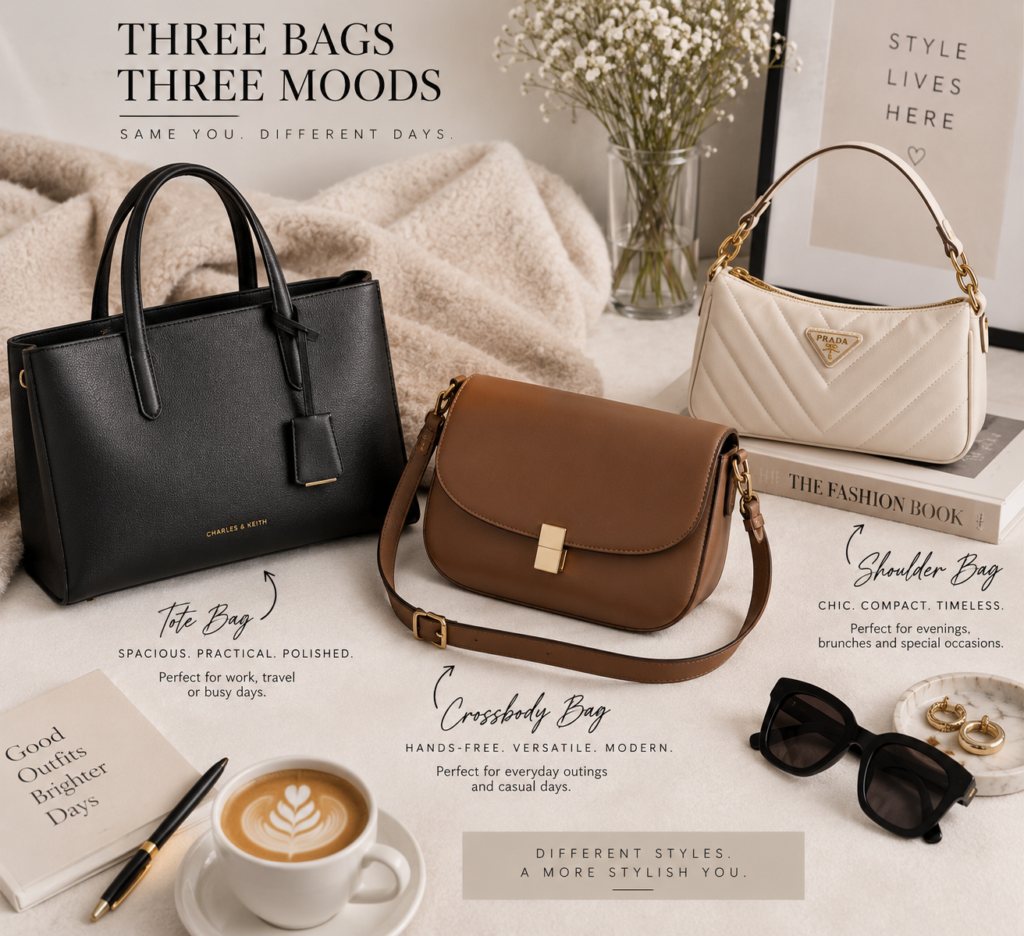
As outfits get simpler, accessories are doing more of the work. A neutral, tonal look comes together with the right finishing pieces, and this year that means structured bags and low block heels or sleek flats.
Structured totes and top-handle bags read as organized and put-together in a way soft, slouchy bags don’t. On the shoe side, low block heels and pointed flats strike the right balance of comfort and polish for a full day on your feet.
One smaller trend worth watching: animal print, used sparingly. A leopard-print belt or a subtle snakeskin pump against an otherwise neutral outfit adds personality without pulling focus.
10. Sustainable, Quality-First Fabrics
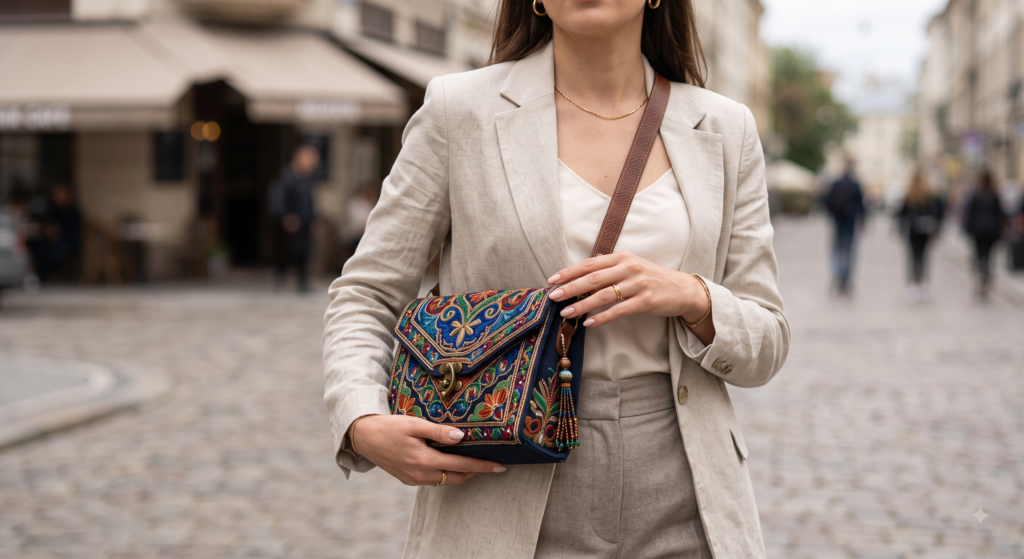
The biggest shift in 2026 workwear isn’t really about silhouette or color. It’s about fabric. There’s a growing preference for natural and blended materials, cotton, linen, viscose, and wool blends, over synthetics that wear out fast and feel uncomfortable by hour six.
That’s part of a bigger mindset: buying fewer pieces that actually last instead of restocking a closet full of trend-driven basics every season. A well-made linen blazer or a fine wool-blend trouser can serve you for years. A polyester alternative might look similar on the hanger, but it usually won’t hold up the same way.
When you’re evaluating a workwear purchase, think in terms of cost-per-wear. Spending more upfront on quality fabric and construction almost always pays off in how long it lasts, how it feels, and how it looks after the twentieth wash.
What 2026 Office Style Is Really About
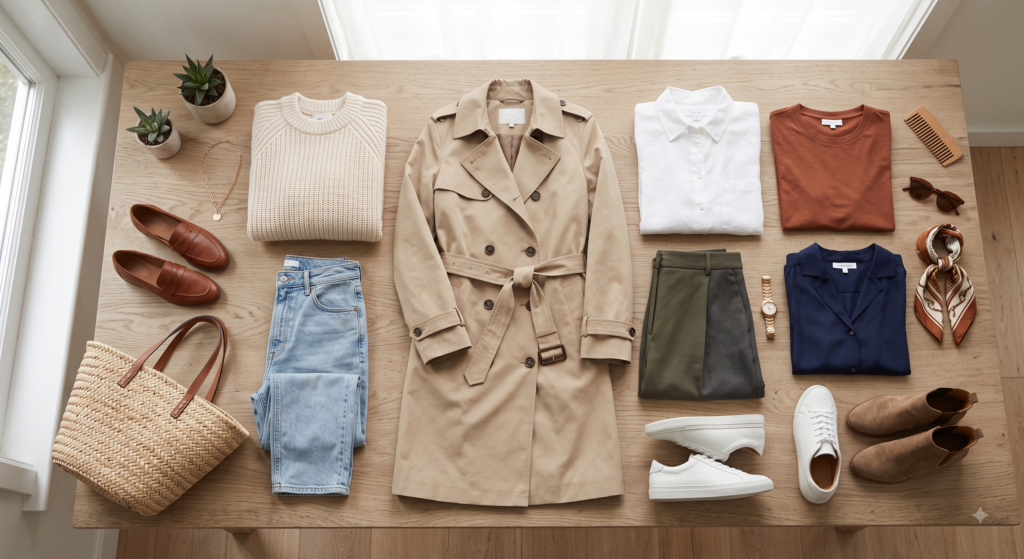
If there’s one thread running through all 10 of these trends, it’s adaptability. Every piece here is meant to work across contexts: dressed up for a formal meeting, dressed down for a creative workday, and just as comfortable heading into after-work plans.
That’s the direction professional dressing is heading: deliberate, comfortable, and built on fewer, better pieces. Rigid formality still has a place in some workplaces, but for most modern offices, a thoughtfully curated wardrobe of quality basics will take you further than a closet full of single-use trend pieces. For how this fits into the bigger 2026 style picture, see our full fashion trends roundup.
If you’re ready to rethink your working wardrobe, start with two or three trends here that already feel close to your style, then build out from there.
👉 Explore more: Business Casual Outfit Ideas
Frequently Asked Questions
What is the biggest office wear trend for women in 2026?
Soft power suiting, relaxed blazer-and-trouser sets with roomier fits and longer blazer lengths, is the dominant trend in women’s office wear for 2026. It’s a move away from stiff, structured silhouettes toward styles that feel professional and genuinely wearable.
Are matching suit sets still in style for the office?
Yes. Matching sets are still a workwear staple in 2026, but the styling has shifted. Look for relaxed-shoulder blazers, longer hems, and fuller-leg trousers instead of the tailored, close-cut suiting from a few years ago. Tonal sets in stone, grey, and navy are especially popular.
What colors are trending in workwear in 2026?
Muted neutrals, stone, camel, ivory, navy, and grey, dominate the 2026 workwear palette. Earthy accents like forest green, chocolate brown, and burgundy are being used strategically, usually as a single bolder element within an otherwise neutral outfit.
How can I make office wear feel more comfortable without looking too casual?
Swap stiff fabrics for natural blends like cotton, linen, and viscose, which hold up much better over a full workday. Choose relaxed-fit tailoring over anything skin-tight, and bring in elevated knitwear, like fine knit polos and fitted cardigans, as an alternative to stiff blouses. Clean silhouettes and good fabric will read as professional no matter how relaxed the fit is.
What accessories work best with simple, neutral office outfits?
Structured bags (totes or top-handle styles) and low block heels or polished leather flats are the strongest finishing pieces for neutral workwear in 2026. If you want a bit of personality, a subtle animal print accent, like a leopard belt or a snakeskin-effect pump, is gaining ground as an office-appropriate detail.