Quick answer: Some of the warmest fabrics for winter clothing include wool, cashmere, shearling, alpaca, fleece, corduroy, flannel, tweed, mohair, and quilted down-alternative fill. The warmth of a fabric isn’t determined by thickness alone. What matters more is how well its fibers and construction trap still air and slow heat loss. The best option will also depend on your climate and how you plan to wear it.
What actually makes one fabric warmer than another?
Most people would probably say thickness. It makes sense at first glance, but there’s more to it than that.
Warm fabrics work by trapping small pockets of still air close to the body. That trapped air acts as insulation and slows the rate at which body heat escapes. The structure of the fiber, how densely it is packed, and whether the fibers are hollow or crimped can all affect how well a material does this.
That’s why a thick-looking fabric isn’t automatically the warmest option. A fine cashmere layer, for example, can provide excellent insulation without adding much bulk.
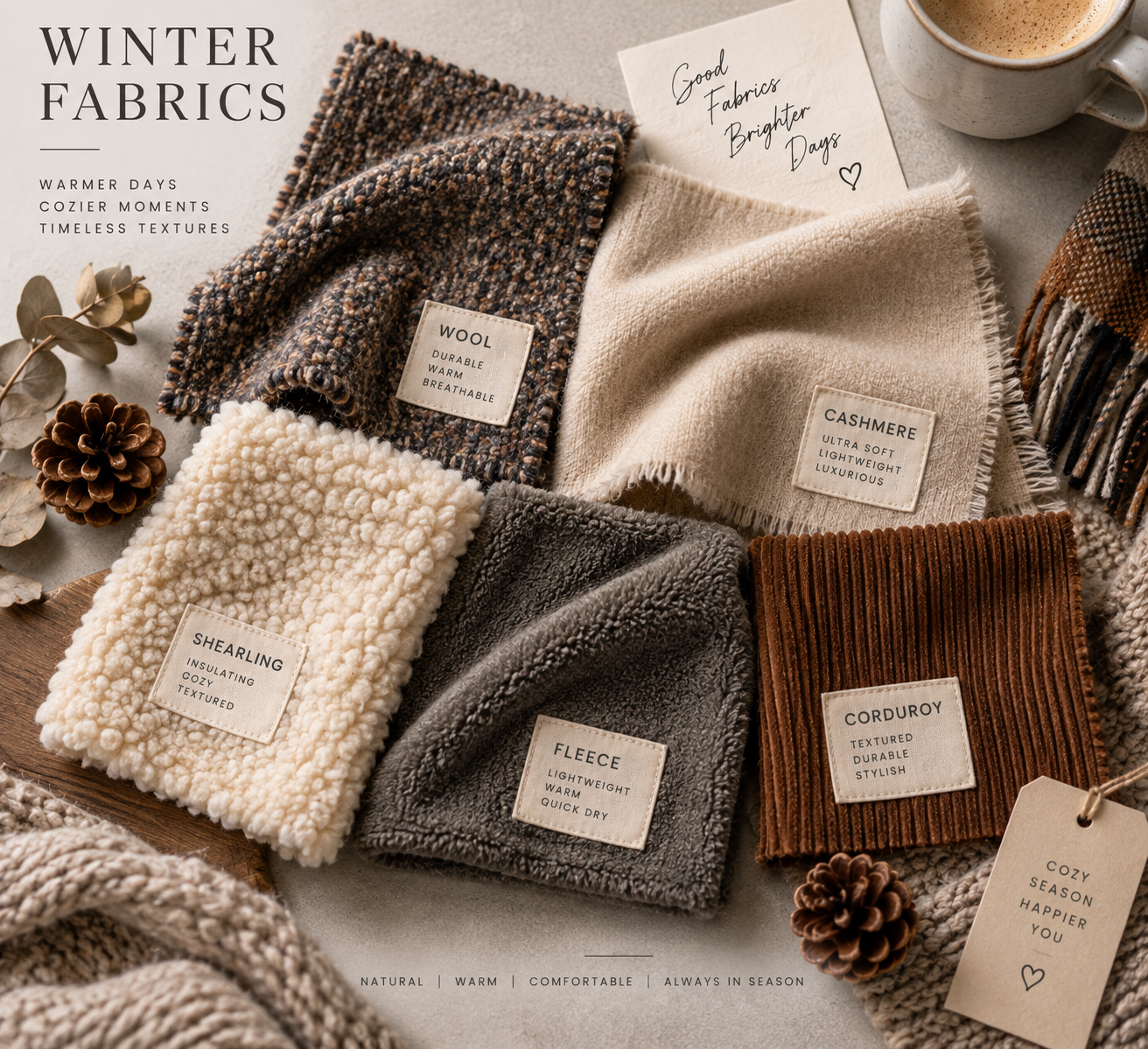
This guide looks at ten fabrics commonly used in winter clothing and explains what makes each one warm. Some have been keeping people comfortable in cold climates for centuries, while others are modern synthetic materials designed specifically for insulation and weather resistance.
1. Wool
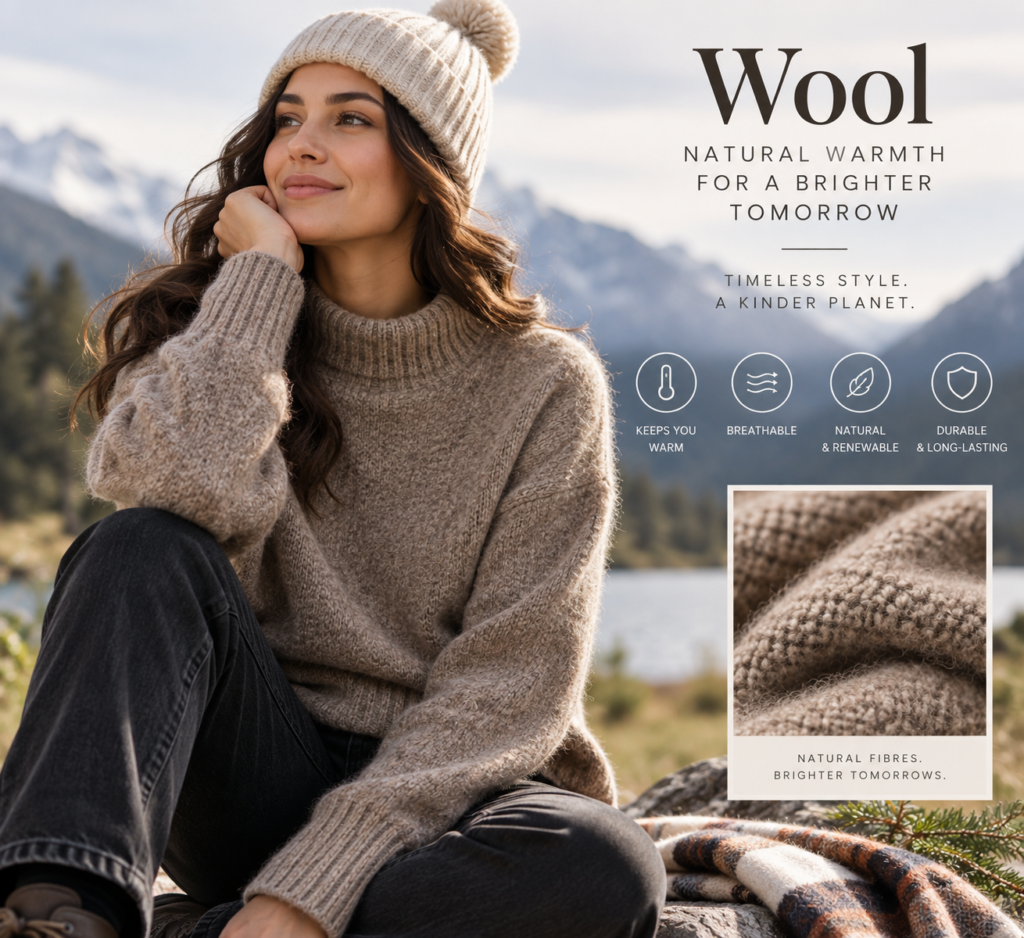
Wool has been a winter wardrobe staple for a very long time, and there is a practical reason it has stayed popular.
The natural crimp in wool fibers creates countless small air pockets. Those pockets help trap warmth close to the body, making wool one of the most effective natural insulating materials available.
Wool also has an advantage that many people don’t think about. It can help regulate temperature and manage moisture. The fiber can move moisture away from the skin and still provide insulation when it becomes slightly damp.
That makes a difference in wet or unpredictable winter weather.
One common complaint about traditional wool is that it can feel rough or scratchy against bare skin. Merino wool is a useful alternative because its fibers are much finer. This creates a softer material that many people can comfortably wear directly against the body.
Merino is commonly used for base layers, sweaters, socks, and other clothing where softness and insulation both matter.
Wool also tends to be durable. With proper care, a good wool garment can retain its shape and insulating properties for years.
The ideal weight depends on where you live. A dense wool overcoat can make sense in a bitter urban winter, while a lightweight merino layer can be useful across a much wider temperature range.
For most winter wardrobes, having at least one good wool layer is a sensible place to start.
2. Cashmere
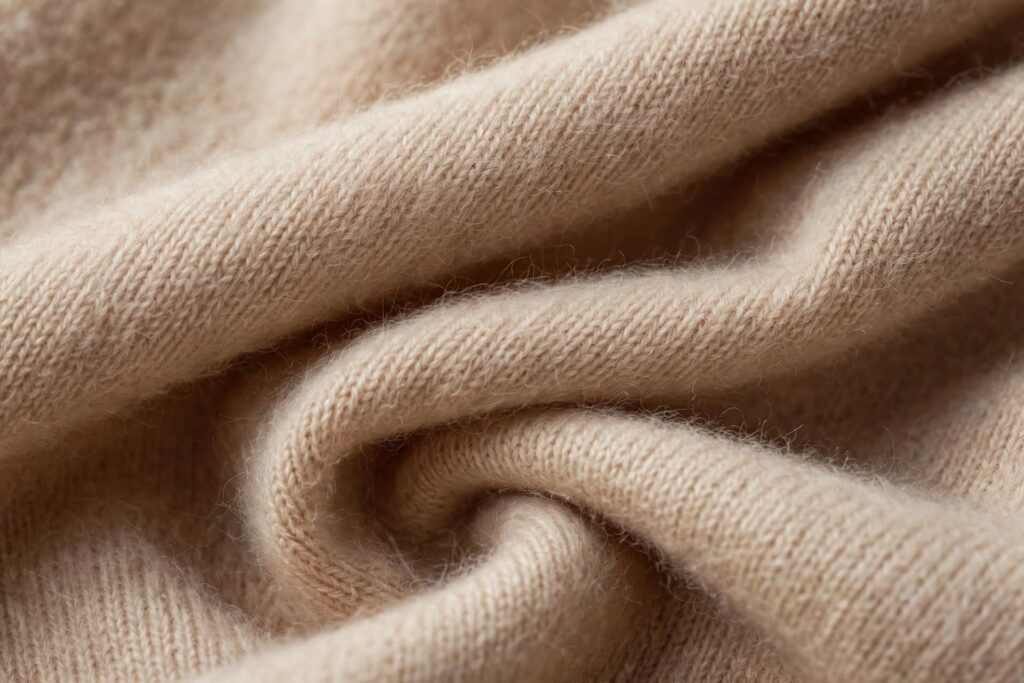
Cashmere feels almost surprisingly warm considering how light and delicate it can be.
The fiber comes from the soft undercoat of cashmere goats. Because those fibers are very fine, cashmere feels smoother against the skin than most standard wool. It also offers a strong amount of insulation for its weight.
This makes it particularly useful for layering. A well-made cashmere sweater can keep you warm without creating the bulk that often comes with heavier winter fabrics.
Cashmere works especially well in cold, dry weather. You can wear it under a coat, layer it over a shirt, or use it on its own when temperatures are less severe.
It also has a naturally polished appearance, which is one reason it is so popular for refined winter clothing.
There are some downsides.
Cashmere isn’t the best choice for heavy rain or wet snow because it absorbs moisture and can take a while to dry. It also needs more care than tougher types of wool.
Quality makes a noticeable difference. A heavier, tightly woven cashmere garment will usually provide more real-world warmth than a very thin, lower-quality version.
For people who live in a cold but relatively dry climate, or who spend most of the day indoors and commuting between heated spaces, cashmere can be an excellent investment.
3. Shearling
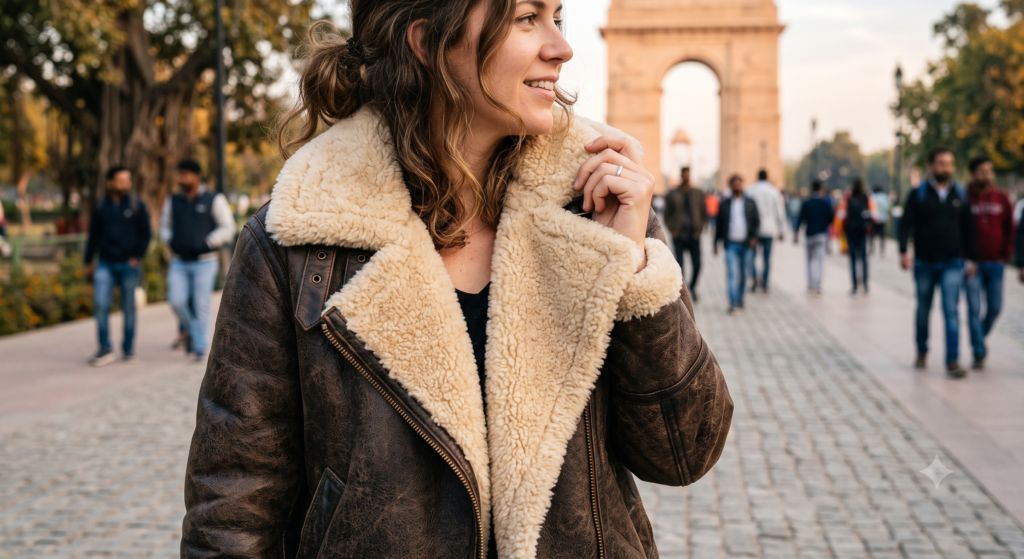
Shearling is made from sheepskin with the fleece still attached. The leather forms the outside of the material while the dense fleece remains on the inside.
That combination creates a very effective insulating layer.
The fleece traps a large amount of air, which is what gives shearling its impressive warmth. It has been used in some very cold environments for generations, including aviation and winter clothing in regions with harsh climates.
Today, you’ll most often see shearling in coats, jackets, boots, and collars.
Its insulation is difficult to reproduce with a much thinner material, and the fleece can become softer and more comfortable with regular use.
Shearling is also naturally breathable, which can help prevent the overheated feeling that some heavily insulated synthetic garments can create.
The trade-off is that shearling is not exactly lightweight. A shearling coat can be substantial, and the leather portion requires specific care.
It also tends to be expensive.
For someone dealing with genuinely severe cold, though, the extra weight and cost can be worthwhile. Shearling remains one of the strongest choices when maximum warmth is the priority.
4. Alpaca
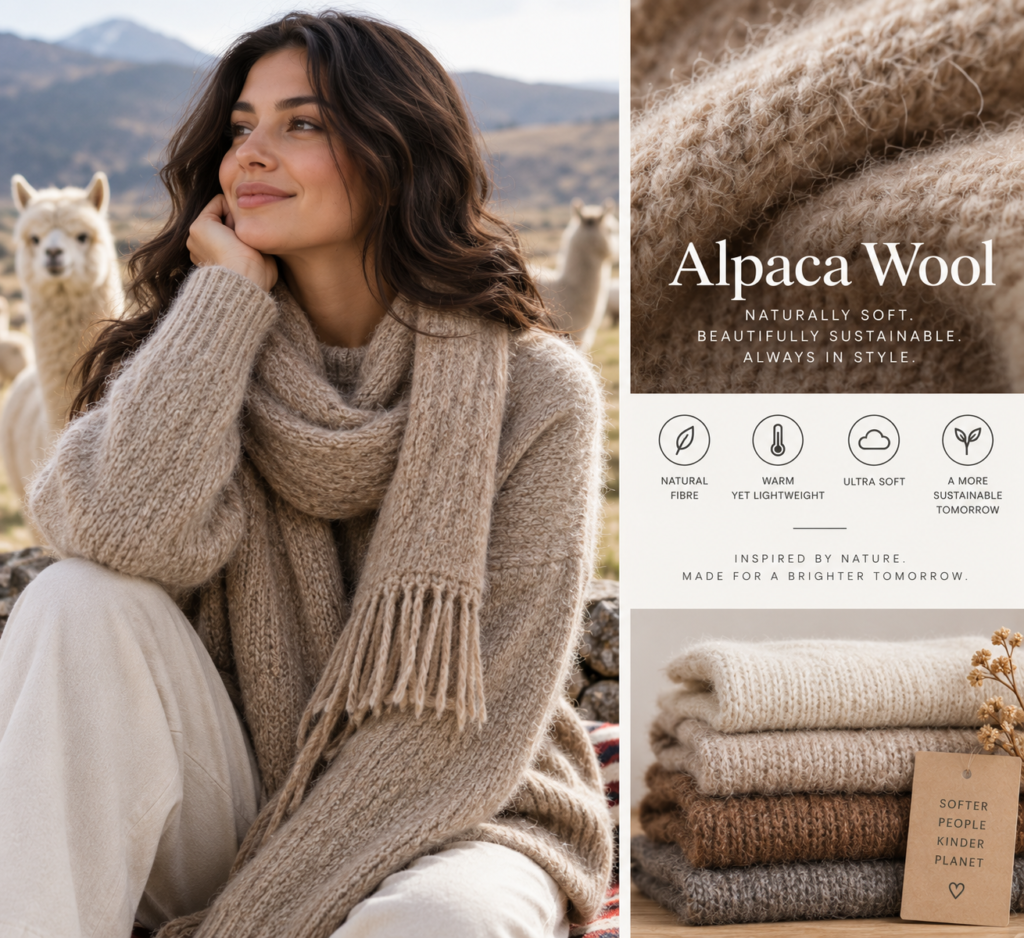
Alpaca looks somewhat similar to wool, but its fiber structure gives it some interesting advantages.
The fibers are hollow, which allows them to trap air efficiently. That gives alpaca a strong warmth-to-weight ratio, meaning it can feel very warm without becoming especially heavy.
It is sometimes compared with cashmere for precisely this reason.
Another feature that attracts attention is alpaca’s suitability for people who find traditional wool irritating. Alpaca fibers don’t have the same microscopic scales found in sheep’s wool, which may make them more comfortable for people who are sensitive to standard wool.
Alpaca also has some natural resistance to moisture. It can perform reasonably well in light damp conditions, although it is certainly not waterproof.
You’ll find alpaca in sweaters, scarves, blankets, and other mid-layer garments.
The fabric has a soft feel with a slight natural sheen, and it also takes dye well, so alpaca pieces can have rich, long-lasting colors.
The main disadvantages are availability and price. Alpaca generally costs more than ordinary wool, although it is often less expensive than high-end cashmere.
For anyone looking for a natural insulating fiber that combines warmth, softness, and a potentially gentler feel, alpaca is worth considering.
5. Fleece
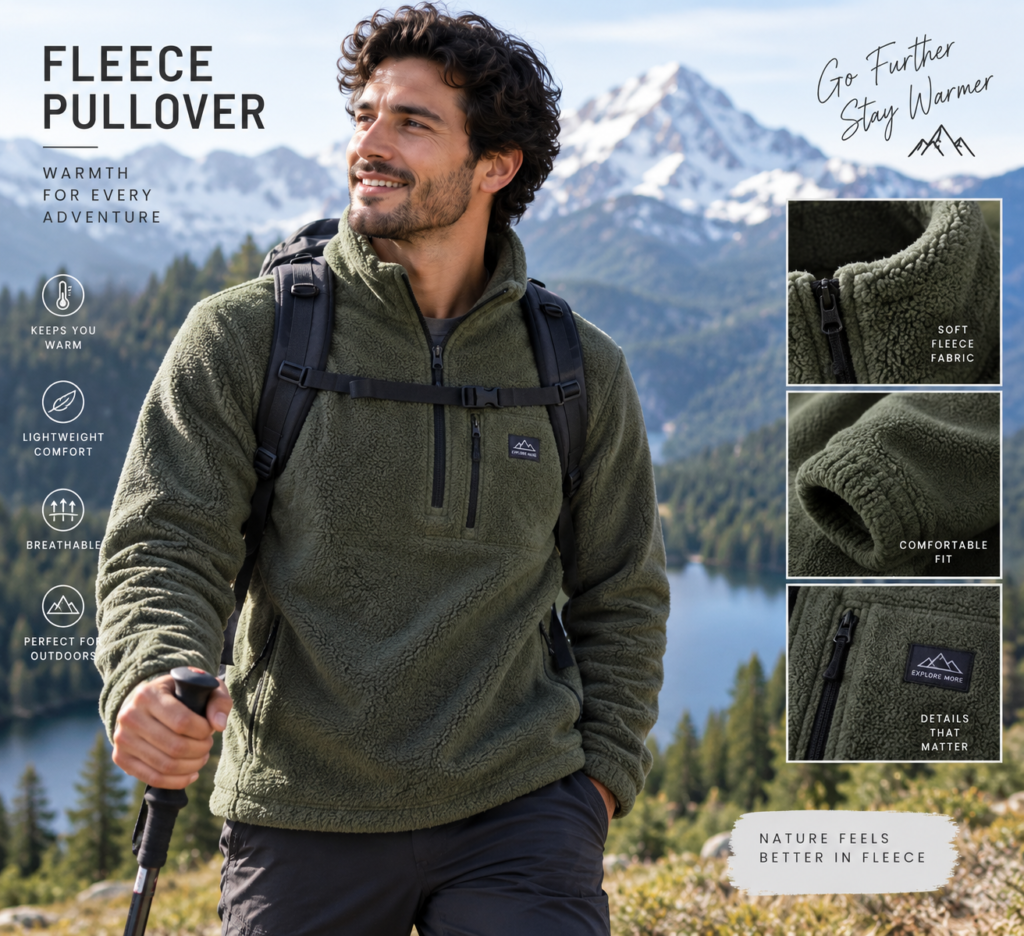
Fleece is synthetic, usually made from polyester, but that doesn’t stop it from being one of the most practical winter fabrics around.
The material is knitted from polyester fibers and then brushed to create its soft, raised surface. That loft helps hold warm air close to the body.
The result is a lightweight fabric that can provide a surprising amount of warmth without feeling heavy.
One of fleece’s biggest strengths is what happens when it gets wet.
Fleece doesn’t absorb much moisture, so sweat and light rain don’t reduce its insulating ability as dramatically as they can with some natural fibers. It also dries quickly.
That makes it especially useful for active winter activities such as hiking, skiing, and trail running.
Fleece is available in many different weights. A heavier version can work as an outer layer in milder cold, while a lighter fleece is useful underneath a waterproof or windproof shell.
It may not have the refined appearance of wool or cashmere, but when you’re looking for affordable, functional warmth, fleece is difficult to overlook.
6. Corduroy
Corduroy isn’t always the first fabric people name when discussing winter warmth, but its construction gives it more insulating ability than you might expect from a cotton-based material.
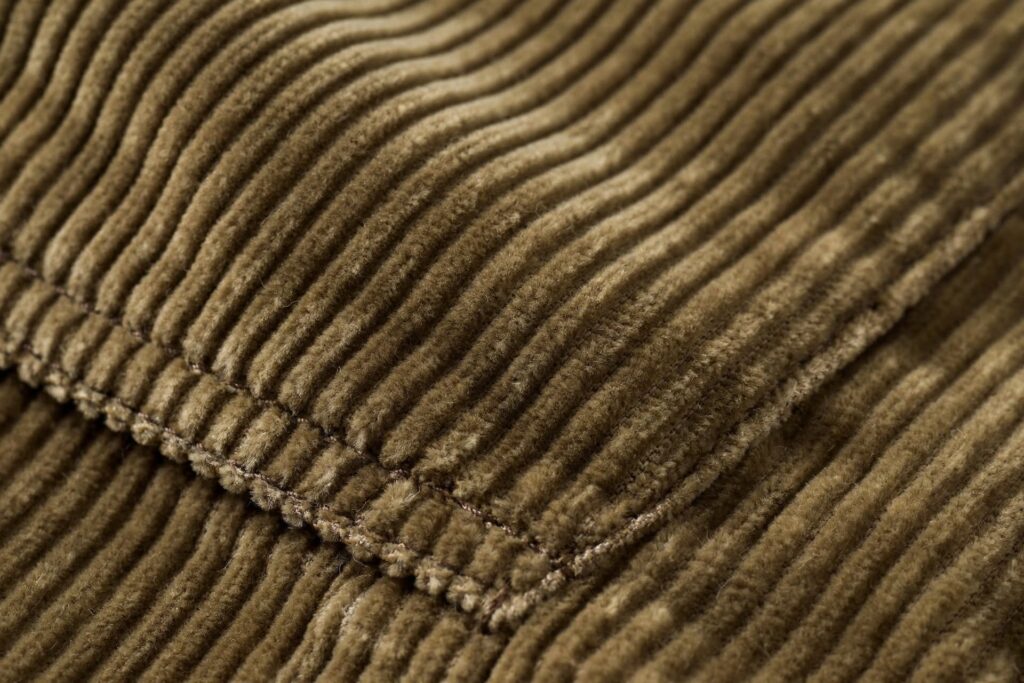
The fabric has raised ridges called wales. Those ridges create channels that can trap air along the surface of the garment.
Corduroy is also usually woven quite densely, so together the texture and construction help it retain heat better than many ordinary cotton fabrics.
The size of the wales affects the feel and appearance.
Wide-wale corduroy has broader ridges and usually feels heavier and warmer. Fine-wale corduroy has a smoother look and can feel a little more refined.
Both rely on the same basic principle: the raised texture creates additional air space.
Corduroy is especially common in trousers, jackets, and shirts. It is durable, holds its shape reasonably well, and can cope with regular wear.
It won’t match shearling or very dense wool for extreme cold, but it is a dependable choice for structured winter clothing in moderately cold climates.
7. Flannel
Flannel gets its warmth from the way the fabric is finished.
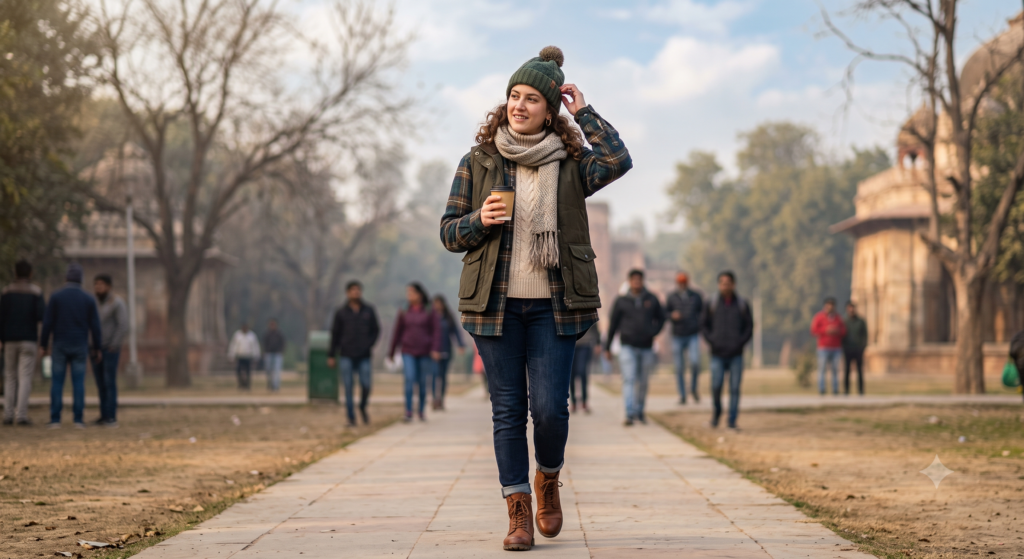
After the fabric is woven, its surface is brushed to raise the fibers and create a soft, fuzzy layer called a nap. That raised surface traps air, which slows heat loss and gives flannel its familiar warmth.
Flannel can be made from cotton, wool, or a blend.
Wool flannel generally offers more warmth and durability, while cotton flannel tends to feel softer and is often easier to care for.
One of the best things about flannel is its versatility.
A flannel shirt can be worn on its own when the weather is cool or used as another layer underneath a heavier jacket when the temperature drops further.
That makes it useful for shirts, casual layers, and comfortable winter loungewear.
The soft surface also makes flannel pleasant to wear for long periods, especially when it is in direct contact with the skin.
It is affordable, easy to find, and has remained a winter staple for generations.
For example, a cotton flannel shirt over a thermal layer and underneath a wool coat can cover a surprisingly wide range of winter temperatures.
8. Tweed
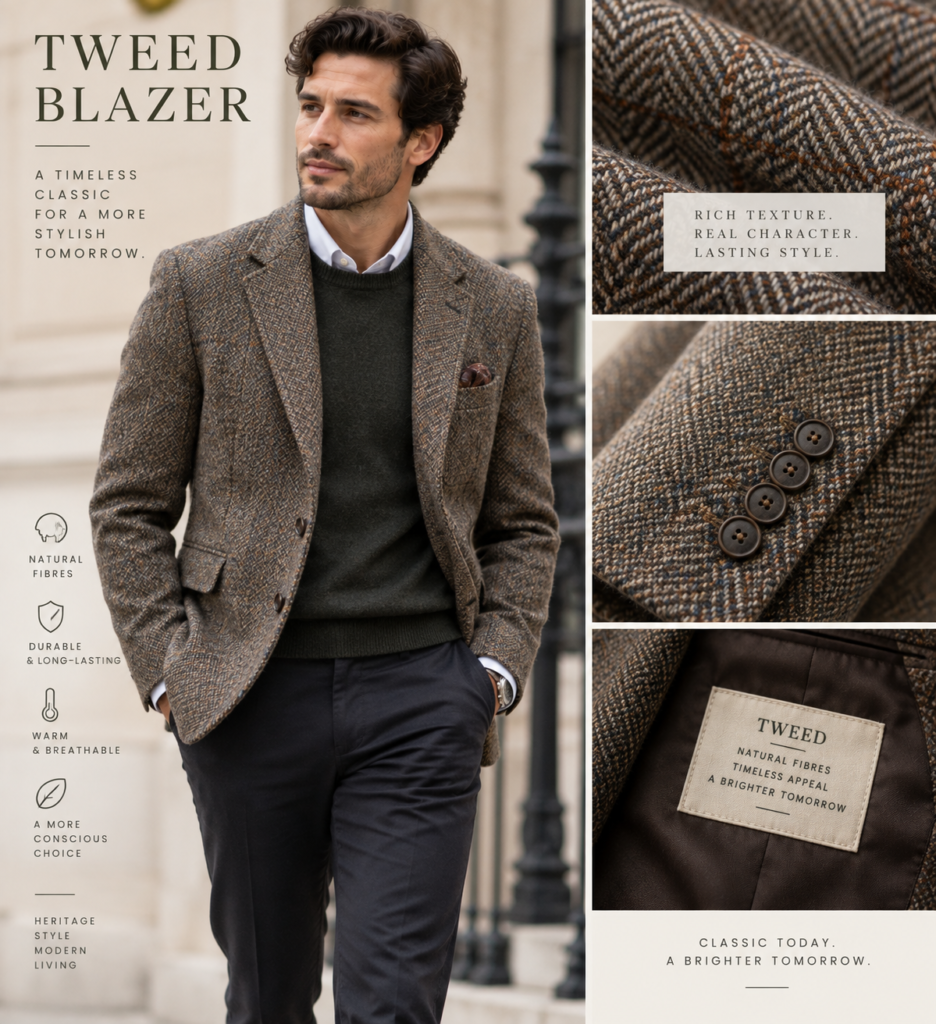
Tweed is a densely woven wool fabric with a heavier, textured surface. It has been used in cold-weather clothing for centuries and remains particularly effective as an outer layer.
Its tight weave creates a dense barrier that slows the movement of cold air through the fabric. Tweed also holds warmth well and can handle damp, changeable weather better than some finer materials.
The fabric has a distinctive appearance too. You will often see several colors woven together to create the flecked, textured look that tweed is known for.
It is most commonly used for blazers, coats, jackets, and other structured garments.
Tweed isn’t waterproof, but it does have some natural resistance to light moisture. A little rain may sit on the surface before penetrating the fabric.
Its weight and stiffness mean it isn’t the obvious choice for soft, close-fitting knitwear. But as a coat or blazer for genuinely cold conditions, tweed offers an excellent combination of insulation and durability.
9. Mohair
Mohair comes from Angora goats and has a distinctive appearance that sets it apart from many other natural fibers.
Its surface has a smooth, almost silky sheen that catches the light differently from wool or alpaca.
Despite that fine appearance, mohair is a strong insulator. The fiber structure traps air efficiently and holds warmth well relative to its weight.
This makes it particularly useful for winter knitwear and structured pieces that need some volume.
Durability is another advantage. Mohair fibers are naturally resilient and tend to resist stretching and pilling better than some softer materials.
The fabric also takes dye well, which is why mohair garments can have particularly rich-looking colors.
Mohair performs best in cold, dry weather. Heavy moisture isn’t ideal, and garments usually need careful washing. Cold water or professional cleaning is often recommended, depending on the piece.
For anyone who wants a winter fabric that combines warmth with a distinctive texture and appearance, mohair offers a good balance without the heaviness of some other insulating fabrics.
10. Quilted / Down-Alternative Fill
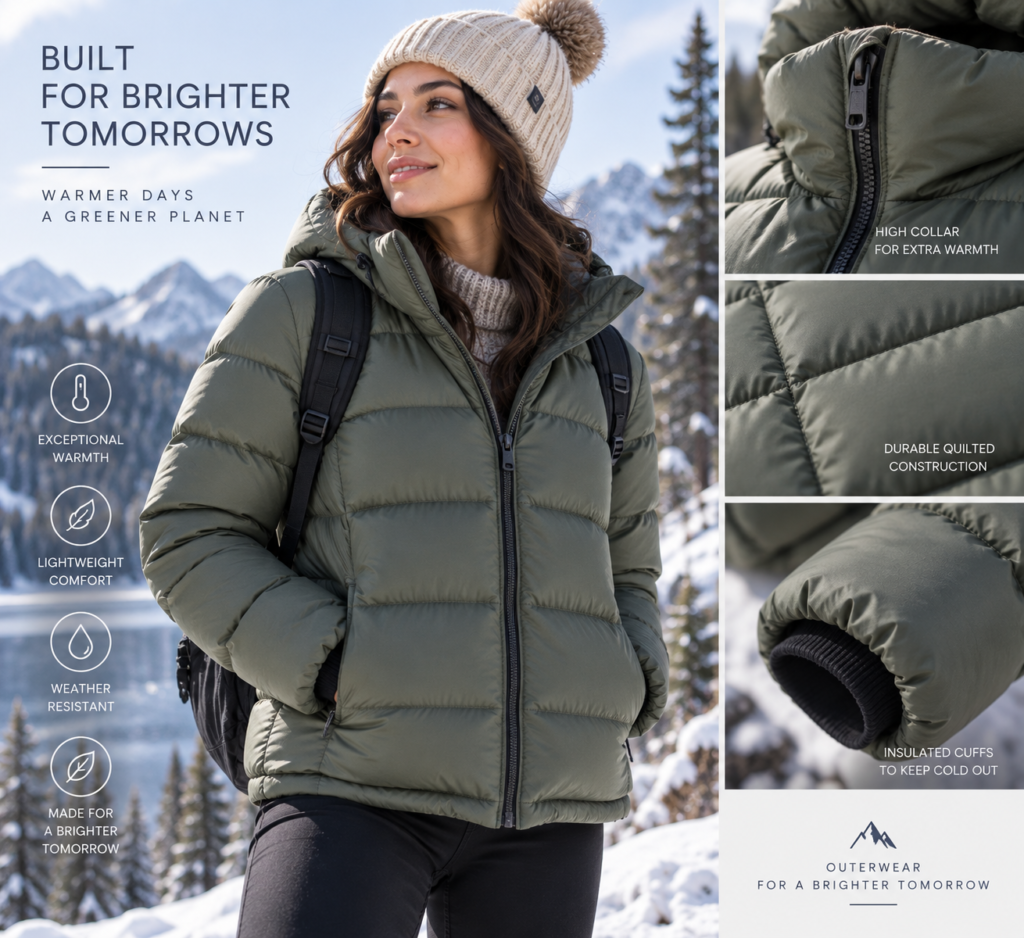
Quilted down-alternative fill is now a common choice in winter outerwear, particularly for puffers and insulated jackets.
Most down alternatives use synthetic fibers, usually polyester, engineered to imitate the loft of natural duck or goose down.
That loft is what creates the warmth. The fibers form spaces that trap air, and the trapped air slows the loss of body heat.
One important advantage over natural down is moisture resistance.
Natural down can lose much of its insulating ability when it becomes wet because the clusters collapse. Synthetic down-alternative fill generally maintains its loft better when damp.
That makes it particularly useful in climates where rain, sleet, and snow can all appear during the same winter.
The quilting on a puffer jacket also serves a purpose. The stitched channels hold the insulation in place so it doesn’t move around or gather into one area.
Warmth varies depending on the amount and type of fill used. Lighter jackets can be useful in mild winter weather or during physical activity, while heavier versions provide much stronger insulation.
For everyday cold-weather outerwear, quilted synthetic fill offers a useful combination of warmth, relatively low weight, packability, and resistance to damp conditions.
Frequently Asked Questions About the Warmest Fabrics
What is the warmest natural fabric for winter clothing?
Shearling is generally one of the warmest natural options because it combines leather with a dense fleece layer that traps a large amount of air.
Wool, alpaca, and cashmere are also highly effective insulators. The best choice depends on whether you value maximum warmth, low weight, softness, or better performance in damp weather.
Is cashmere warmer than wool?
Cashmere can provide more warmth for its weight than ordinary wool. That means a relatively light cashmere sweater can sometimes provide insulation similar to a heavier wool garment.
However, not all wool performs the same way. High-quality merino can be extremely effective, while dense wool fabrics such as tweed or boiled wool can provide more raw insulation than a lightweight cashmere piece.
The construction and weight of the actual garment matter just as much as the fabric name.
What’s the difference between wool and shearling?
Wool fabric is made from fleece that has been removed from the sheep and then processed into woven or knitted fabric.
Shearling is the entire sheepskin, with the fleece still attached to the leather.
Because shearling keeps that thick fleece layer intact, it can trap more air than ordinary wool fabric. The result is greater insulation, but also a heavier and bulkier garment.
Are synthetic winter fabrics ever warmer than natural ones?
They can be, especially in wet conditions.
Fleece and quilted down-alternative insulation can continue to provide useful warmth when damp, while some natural insulating materials lose part of their performance after getting soaked.
For extremely cold and dry conditions, natural materials such as shearling and dense wool remain excellent choices. Modern synthetic insulation, however, has narrowed the performance gap considerably.
Which winter fabric is best for people with sensitive skin?
Alpaca can be a useful starting point because its fibers don’t have the same microscopic scales found on sheep’s wool, which may reduce irritation for some people.
Fine merino wool can also be a good choice because its smaller fiber diameter tends to feel softer against the skin.
Cashmere and mohair are other options that are generally known for their softer feel.
Finding the Right Warmth for Your Winter
Choosing a warm fabric isn’t simply a matter of picking the thickest one you can find.
The way the fibers are structured, how tightly the fabric is woven, and how effectively it traps air all influence how warm the finished garment will be.
Your climate matters just as much.
A dry mountain winter calls for different clothing from a damp coastal winter. Shearling and tweed are well suited to harsh outdoor conditions, while cashmere and mohair can be excellent choices in colder, drier settings.
Fleece and quilted synthetic insulation become especially useful when weather conditions are unpredictable or when you’ll be physically active outside.
Once you understand why a fabric is warm rather than relying only on the name on the label, choosing winter clothing becomes much easier. You can match the material to the weather, the activity, and the amount of warmth you actually need.
For more help building a practical cold-weather wardrobe, explore our guides on [Breathable Fabrics] and [Winter Fashion Trends].